The Wish
52 pages • 1-hour read
Nicholas SparksThe Wish
A modern alternative to SparkNotes and CliffsNotes, SuperSummary offers high-quality Study Guides with detailed chapter summaries and analysis of major themes, characters, and more.
Symbols & Motifs
Maggie-Bear
Content Warning: This section of the guide includes discussion of illness and death.
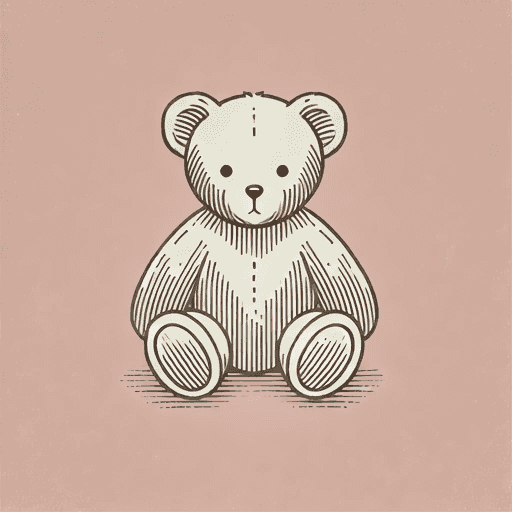
Sparks uses Maggie’s teddy bear as a symbol of childhood innocence. Maggie brings Maggie-bear with her to Ocracoke during her pregnancy, underscoring the fact that she is still a child herself, just beginning a coming-of-age arc. As she lays in bed the first night, she breaks down crying over her pregnancy and having to leave her home. When she hugs her “teddy bear to [her] chest and inhale[s] her familiar scent, the dam simply burst[s]. It [i]sn’t a pretty cry [but] a raging sob, complete with snorts and wails and quivering shoulders” (41). Maggie-bear serves as a source of comfort for Maggie while she adjusts to life in Ocracoke, providing both a physical and symbolic connection to her past, as she desperately tries to hold onto her innocence and the life she knew before her pregnancy.
Leaving Maggie-bear behind as a gift for her baby signals Maggie’s loss of innocence. After the baby’s born, she tells Linda that she thinks “the baby needs her more than [Maggie does] right now” (345). The transfer of Maggie-bear, initially Maggie’s only source of comfort, also underscores the ways in which Maggie has learned to trust and rely on Linda and Bryce, emphasizing The Importance of Human Connection When Coping With Difficult Circumstances. As a child, Maggie lacked human connection from her parents, who sent her to North Carolina instead of supporting her through her pregnancy. However, because of her pregnancy and her experience of first love, she’s grown and matured—she no longer needs Maggie-bear in the same way. The reappearance of Maggie-bear in the novel’s conclusion symbolizes the restoration of her relationship with Mark and the full circle nature of life, allowing Maggie to recapture a little of the childhood innocence she lost when she became pregnant so young.
The Lighthouse Photograph
The lighthouse photograph that Bryce frames for Maggie serves as a recurring motif for The Role of Art in Self-Discovery. Her appreciation of Bryce’s work—specifically his photography—inspires her desire to pursue photography on her own. Maggie first sees the lighthouse photograph in Bryce’s home as he and his mother begin to teach her about photography. She describes it as “an impossibly large full moon casting light over the Ocracoke lighthouse; even though it [is] in black and white, it look[s] almost like a painting” (154). Bryce’s Christmas gift catalyzes a passion for art and photography that inspires her future career. It also provides a throughline between the past and present timelines as she keeps it hanging in her room when she returns to Seattle, then in her home office throughout adulthood.
Sparks also uses the lighthouse as a rhetorical device to link the events of the past to those of the present. The lighthouse photograph in Maggie’s YouTube videos confirms for Mark that Maggie is his mother. He explains that “he froze the video and took a picture, then Googled images of North Carolina lighthouses. It took less than a minute to figure out that the one on Maggie’s wall was located in Ocracoke” (373). Thus, the photograph serves both a symbolic and practical function in the narrative—signaling Maggie’s connection to Ocracoke.
Maggie’s Shell Necklace
The necklace that Bryce gives to Maggie acts as a symbolic representation of The Transformative Power of Love. After months of friendship, Bryce expresses his love for her on their first date by giving her the necklace. For the rest of her life, Maggie wears the necklace each day as a reminder of how much Bryce—and his love—meant to her. The important role that Bryce plays in Maggie’s life as he supports her throughout her pregnancy, befriends her while she is feeling alone in Ocracoke, and introduces her to photography is symbolically represented by the necklace that Maggie wears throughout her life.

Unlock the meaning behind every key symbol & motif
See how recurring imagery, objects, and ideas shape the narrative.
- Explore how the author builds meaning through symbolism
- Understand what symbols & motifs represent in the text
- Connect recurring ideas to themes, characters, and events