Clockwork: or All Wound Up
Clockwork: or All Wound Up
A modern alternative to SparkNotes and CliffsNotes, SuperSummary offers high-quality Study Guides with detailed chapter summaries and analysis of major themes, characters, and more.
Summaries & Analyses
Quizzes
NEWReading Tools
Symbols & Motifs
Content Warning: This section of the guide includes discussion of death.
Clockwork
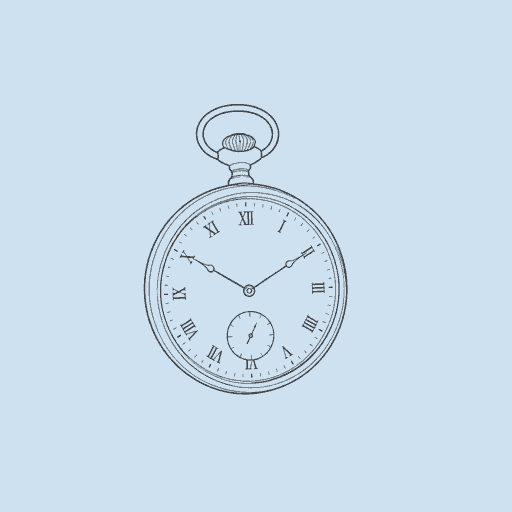
Clockwork is the story’s central symbol, representing the attempt to impose mechanical order and control over human life. The Preface establishes this from the outset, comparing certain stories to clockwork machines that, once wound up, move relentlessly toward a “destined end.” This metaphor extends to Dr. Kalmenius’s philosophy, which argues that human lives are mere mechanisms and that the future can be wound up and controlled. This worldview negates human agency and moral choice, directly engaging the theme of Moral Responsibility in Acts of Creation by portraying a form of creation that is technically brilliant but spiritually hollow. Prince Florian, a boy made of clockwork, embodies this concept. Although he can sing, smile, and respond to others, his failing mechanism repeatedly reveals the limitations of artificial life created through technical skill alone.
The symbol’s most malevolent manifestation is Sir Ironsoul, the clockwork knight. Activated by the word “devil,” he’s an agent of relentless destruction, representing the destructive consequences of selfish ambition. Sir Ironsoul reflects Karl’s desperation to escape shame after failing to complete his figure for the town clock. Just as Prince Otto’s body is animated by a crude mechanism after his heart is removed, Sir Ironsoul demonstrates how clockwork creations become destructive when they’re guided by obsession, fear, or the desire for control instead of human care and responsibility. Through these figures, Pullman critiques a worldview that treats human life as something that can be regulated, repaired, or controlled like machinery, suggesting that mechanical precision alone cannot sustain genuine human life.
The Heart
Functioning as the story’s most significant symbol, the heart is the direct antithesis of clockwork, representing compassion, self-sacrifice, and the warmth of genuine life. It’s the essential element that allows Prince Florian to continue living, and the plot repeatedly returns to the problem of finding a sustaining human heart for a mechanical body. The story explores different kinds of hearts, contrasting those motivated by ambition with the one offered in pure compassion. Prince Otto gives his own heart to save the dynasty, but his is “cold, fanatical, and proud” (58), and the sacrifice remains tied to his obsession with preserving the royal line. Baron Stelgratz sacrifices himself “with all [his] heart” in an attempt to save the prince (57), and his death reflects genuine loyalty and affection for Florian. Even so, these sacrifices only prolong Florian’s survival rather than freeing him permanently from the limitations of his mechanical nature.
Ultimately, it is Gretl’s metaphorical gift of her heart that finally frees Florian from the cycle of mechanical decline that has repeatedly threatened his life. Her simple, instinctual kindness in warming the freezing prince is an act of pure empathy. The narrator explains that Gretl “has made Florian a present of her heart, and what they’re looking at is the future” (93). Her compassion succeeds where mechanical repairs and forced sacrifices failed because it restores the human warmth missing from Florian’s artificial existence. Through this symbolism, the novella suggests that human connection, empathy, and care sustain life in ways that machinery and technical skill cannot fully reproduce.
Storytelling
Storytelling is a central motif that shapes the story’s metafictional structure and explores the theme of The Permeable Boundary Between Story and Reality. The book itself is presented as a story that, once “wound up,” cannot be stopped, linking storytelling to the mechanical imagery that runs throughout the novella. The plot is set in motion by Fritz, a writer who begins telling a story he hasn’t finished, intending to “make up the end when he g[ets] there” (15). As the story unfolds, the boundary between fiction and reality becomes increasingly unstable, particularly when Dr. Kalmenius appears in the tavern at the exact moment when Fritz describes him. This moment suggests that stories can shape events in unexpected and dangerous ways, placing responsibility on those who create them.
Fritz’s failure as a storyteller underscores the book’s ideas about moral responsibility. Overwhelmed by the reality he has unleashed, he abandons his creation, declaring, “I wound it up and set it going, and it’ll just have to work itself out. I wash my hands of it” (77). His refusal to take responsibility leaves Gretl and the other characters to confront the dangers created by the unfinished tale. By presenting the central conflict as the result of a story that has been set in motion without a clear ending, Pullman connects storytelling to the novella’s wider concern with responsibility and control. The motif suggests that acts of creation, whether writing stories or building machines, can produce consequences that continue beyond the creator’s intentions.

Unlock the meaning behind every key symbol & motif
See how recurring imagery, objects, and ideas shape the narrative.
- Explore how the author builds meaning through symbolism
- Understand what symbols & motifs represent in the text
- Connect recurring ideas to themes, characters, and events