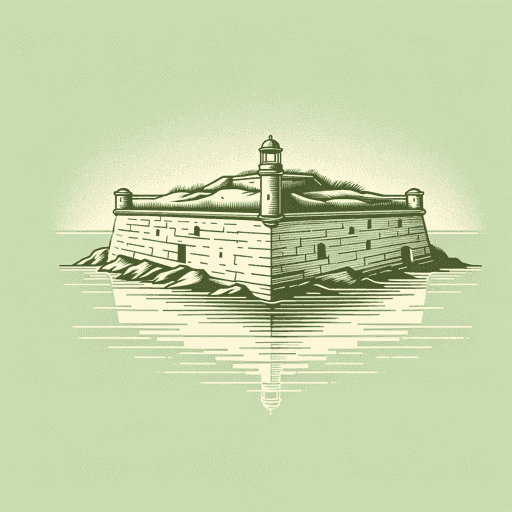
Elegy for the Native Guards
A modern alternative to SparkNotes and CliffsNotes, SuperSummary offers high-quality Study Guides with detailed chapter summaries and analysis of major themes, characters, and more.
Character List
Meet the key characters, with insights into their roles, motivations, and relationships—spoiler-free.
Major Characters
The narrator speaks in the first-person plural ("we"), representing a group of tourists visiting the historic fort on Ship Island. The speaker acts as the lens through which the island's layered history is revealed. They are highly observant, taking in the physical environment, the guided tour, and the glaring historical omissions present at the site's monument.
Guided by The Ranger
Sympathetic chronicler of The Native Guards
The Native Guards are the Black Union soldiers of the 2nd Regiment who occupied the fort during the Civil War. Though they defended the site, their graves were washed out to sea by a hurricane, leaving their bones scattered among the fish. Their names are explicitly excluded from the monument constructed at the site, making them the primary subjects of the poem's mourning and remembrance.
Remembered by The Speaker
Historical counterpart to Confederate Soldiers
Ignored by United Daughters of the Confederacy
Supporting Characters
The ranger works at Ship Island and escorts visitors through the historic Civil War fort. He provides immediate historical context to the tourists, specifically explaining how Hurricane Camille split the island and washed away the soldiers' gravesites. He leads the group through the cannon-room and eventually into the gift shop.
Tour guide of The Speaker
These Civil War soldiers have their names immortalized in bronze at the Ship Island fort. Their prominently displayed legacy serves as a direct contrast to the unrecorded and unmemorialized Black Union troops who also occupied the same site during the war.
Memorialized by United Daughters of the Confederacy
Historical counterpart to The Native Guards
The Daughters of the Confederacy is a group responsible for constructing the bronze monument outside the Ship Island fort. By choosing to memorialize only the Confederate dead while explicitly omitting the Union's Black soldiers, the organization functions as a systemic force that controls historical memory and suppresses records of Black participation in the war.
Memorializer of Confederate Soldiers
Eraser of The Native Guards
Related Titles
By Natasha Trethewey