Good Spirits
A modern alternative to SparkNotes and CliffsNotes, SuperSummary offers high-quality Study Guides with detailed chapter summaries and analysis of major themes, characters, and more.
Summaries & Analyses
Quizzes
NEWReading Tools
Symbols & Motifs
Content Warning: This section of the guide includes discussion of death.
Peppermint and Candy Canes
Peppermint and candy canes function as both a symbol and a motif in the novel, representing Harriet’s innate warmth, festive spirit, and capacity for simple joy. These sweet treats are her personal comfort, from the pity donut and peppermint tea that soothe a bad day to the emergency candy canes she keeps in her pockets. Initially, this sweetness is part of what makes Harriet seem “insufferable” to the cynical Nolan, a physical manifestation of the holiday cheer he has long since detached from. For Harriet, however, this affinity for peppermint isn’t a performance but a core part of her identity, symbolizing her commitment to finding and creating her own happiness. As a motif, Harriet’s embrace of the simple pleasure of sweet treats aligns with her journey of self-acceptance, reflecting the theme of The Strength Required to Prioritize One’s Own Needs by showing that her small joys are valid and essential to who she is.
The motif’s significance evolves as it becomes a bridge between Harriet and Nolan. Nolan begins to offer Harriet peppermint mochas as peace offerings and even carries candy canes for her, demonstrating his growing affection and acceptance of her true nature. In this sense, the sweet treats signify the unconditional nature of Nolan’s affection for Harriet. When he tells her, “I figured you’d need a fix” (168), he isn’t just providing a treat but showing that he sees and values the authentic, candy-cane-loving Harriet. Ultimately, his reawakening senses allow him to taste these flavors again, symbolizing that her vivid, sweet approach to life is bringing him back to his own humanity.
Antiques and Trinkets
The antiques and trinkets that fill The Crow’s Nest function as a motif that embodies the theme of Finding Value in the Forgotten. Harriet’s shop is a sanctuary for objects that others have discarded. She treasures items that are old, worn, and imperfect, believing that their history and flaws are what make them precious. This worldview is most clearly articulated during a conflict over a birdcage music box returned by a customer because of a tiny flaw. For Harriet, the imperfection isn’t a defect but proof of a life lived and cherished; as she reflects, “A crack doesn’t mean it’s broken. A crack means it’s special” (31). This philosophy demonstrates that she sees worth where others see only damage, a perspective that defines her character and her capacity for deep empathy.
This appreciation for well-loved, forgotten things parallels Harriet’s relationship with Nolan. As a ghost, Nolan has existed for over a century as a solitary, unseen entity—the ultimate forgotten person. Where others might see a frightening specter or nothing at all, Harriet sees a handsome and lonely man. As she grows closer to Nolan, Harriet even tells him flirtatiously, “I happen to like very old things”(171). Later, she reflects that it was natural for her to fall in love with a ghost since “[she’s] always loved the broken and forgotten things best” (340). This line reveals that Harriet’s love for Nolan stems from her core belief that even the most overlooked beings and objects are worthy of being found, cherished, and seen as beautiful.
The Broken Compass
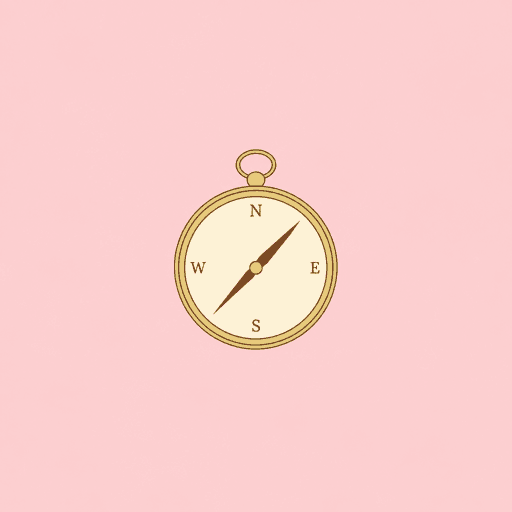
The broken compass is a symbol that represents Nolan’s aimless existence and his ultimate, fated connection to Harriet. In his human life, the compass seemed like a useless, broken object that “couldn’t find its way” (199), its arrow spinning endlessly without ever finding a direction. This malfunctioning tool is a metaphor for Nolan’s own life as a fisherman, where he felt a constant, inexplicable pull toward the water, always searching for something he couldn’t name. His physical aimlessness on the sea mirrors his spiritual aimlessness in the afterlife, where he has spent over a century performing his duties without a true purpose or destination. The compass embodies his long, lonely state of being lost, both in life and in death, perpetually searching for a “true north” that he has never been able to find.
When Harriet finds the compass in the present, its symbolic meaning is fully revealed. The arrow no longer spins randomly; instead, it points steadfastly at Harriet. This revelation transforms the compass from a symbol of being lost into a symbol of having been found. It confirms that Harriet is, and always has been, Nolan’s true north and the destination his soul was searching for across lifetimes. The compass resolves his “unfinished business” by showing that it was never a task to complete but a person to find. Its discovery acts as the catalyst for the novel’s climax, forcing Nolan to choose his future and solidifying that his haunting of Harriet was the final step in a century-long journey home to her.

Unlock the meaning behind every key symbol & motif
See how recurring imagery, objects, and ideas shape the narrative.
- Explore how the author builds meaning through symbolism
- Understand what symbols & motifs represent in the text
- Connect recurring ideas to themes, characters, and events
Related Titles
By B. K. Borison