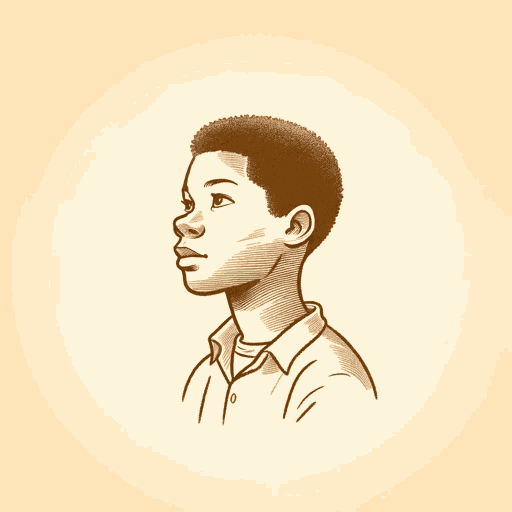
I look at the world
A modern alternative to SparkNotes and CliffsNotes, SuperSummary offers high-quality Study Guides with detailed chapter summaries and analysis of major themes, characters, and more.
Character List
Meet the key characters, with insights into their roles, motivations, and relationships—spoiler-free.
Major Characters
The speaker is a Black individual living in the United States. Societal prejudice forces them into a restricted space, but this marginalization does not break their confidence. Looking through dark eyes, they critically examine their environment and recognize the baseless nature of the prejudice surrounding them. They possess a strong physical and mental awareness, ultimately realizing they have the power to help construct a fairer society.
Target of Oppression
Ally of Comrades
Oppression operates as a personified force within the speaker's environment. It actively builds walls and fences off narrow spaces to enforce segregation. Despite its imposing presence and its ability to assign people to marginalized spaces, its constructs lack a rational foundation.
Oppressor of The Speaker
Langston is a Black poet and essayist associated with the Harlem Renaissance. Raised primarily in the Midwest by his grandmother and mother, he finds early refuge in books. He develops into a confident artist who travels globally and uses his writing to address the struggles of Black people in early 20th-century America.
Son of Carrie Langston
Son of James Nathaniel Hughes
Grandson of Mary
Protégé of Carl Van Vechten
Investigated by Senator Joseph McCarthy
Supporting Characters
The comrades are the allies and sympathetic listeners the speaker invites to join their cause. Their presence implies a need for collective action and community effort to physically dismantle racist structures. They represent the workforce required to transition the speaker's vision of a just society from a mental concept into a tangible reality.
Ally of The Speaker
Carrie is a woman who aspires to be a performer but faces the restrictive racist and sexist norms of the 19th century. After her husband moves to Mexico, she leaves her son with her mother before eventually remarrying and moving around the Midwest.
Mother of Langston Hughes
Wife of James Nathaniel Hughes
Daughter of Mary
James is Langston's father. Shortly after his son's birth, he relocates to Mexico City. His relationship with his son is strained, characterized by arguments during Langston's visits to Mexico.
Husband of Carrie Langston
Father of Langston Hughes
Mary is Carrie's mother and Langston's grandmother. She lives in Lawrence, Kansas, where she struggles financially. She finds it difficult to pay the mortgage and provide enough food for her grandson.
Grandmother of Langston Hughes
Mother of Carrie Langston
Carl is an influential figure in the 1920s New York literary scene. He plays a practical role in advancing Langston's career by connecting him with the publisher Alfred A. Knopf.
Supporter of Langston Hughes
McCarthy leads a subcommittee investigating alleged communist activity in the United States. His aggressive pursuit of political targets creates a climate of fear that pressures artists to publicly disavow radical political ties.
Investigator of Langston Hughes
Related Titles
By Langston Hughes