I Sit and Look Out
A modern alternative to SparkNotes and CliffsNotes, SuperSummary offers high-quality Study Guides with detailed chapter summaries and analysis of major themes, characters, and more. For select classroom titles, we also provide Teaching Guides with discussion and quiz questions to prompt student engagement.
Character List
Meet the key characters, with insights into their roles, motivations, and relationships—spoiler-free.
Major Characters
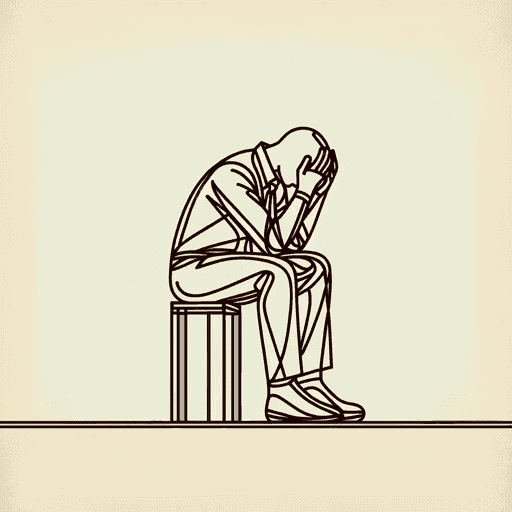
The narrator functions as a static observer who catalogs various injustices occurring across 19th-century America. He positions himself at a distance from the suffering, absorbing the pain of others without intervening. He repeatedly uses the pronoun 'I' followed by verbs of observation like 'see,' 'mark,' and 'observe.' Although he claims to remain silent at the end of his observations, his detailed testimony gives voice to the marginalized groups he watches.
Observer of Young Men
Observer of The Mother
Observer of The Wife
Observer of Young Women
Observer of Sailors
Observer of Arrogant Persons
Observer of Laborers
Observer of The Poor
Observer of Negroes
Supporting Characters
An elderly woman who suffers severe mistreatment and abandonment at the hands of her offspring. She represents a broken natural bond and reflects a society that has forgotten its foundational caregivers. Her physical deterioration visually manifests the emotional toll of her total isolation.
Neglected by The Children
Observed by The Speaker
The adult offspring of the dying mother who have abandoned their natural familial duties. They actively cause their mother's despair through severe neglect. They serve as a prime example of betrayal within the fundamental family structure.
Neglecter of The Mother
A married woman subjected to abuse and exploitation by her spouse. Her situation illustrates the hidden cruelties of domestic life and the power imbalances present in traditional marital relationships. Her private suffering echoes the larger systemic abuses in society.
Abused by The Husband
Observed by The Speaker
A married man who exploits and mistreats his spouse behind closed doors. He embodies the oppressive patriarchal dynamics that occur within the private sphere of the home. His actions represent a complete violation of marital unity.
Abuser of The Wife
A deceptive man who manipulates young women for his own gratification. He prioritizes his personal desires over the safety and reputations of the women he targets. He acts as a dangerous predator in romantic contexts, exploiting youthful trust.
Exploiter of Young Women
Unmarried women who suffer the harsh consequences of manipulation by predatory men. They symbolize innocence exploited by deceit and face ruined reputations and emotional devastation. Their attempts to hide their unrequited love add to their psychological burden.
Exploited by The Treacherous Seducer
Observed by The Speaker
Youthful individuals struggling with deep internal remorse for unnamed deeds. Their quiet, isolated sobbing represents an intense psychological sorrow. The guide suggests their anguish may stem from a conflict between their sexual identities and society's harsh expectations, creating an internal war that mirrors the nation's external divisions.
Observed by The Speaker
Desperate mariners adrift on the ocean, facing extreme starvation and crisis. They resort to drawing lots to decide who will be killed to keep the rest alive. This desperate action illustrates the harsh limits of human survival and the capricious whims of fate.
Observed by The Speaker
Wealthy or socially powerful individuals who use their elevated status to oppress those beneath them. They maintain a cruel social hierarchy by systematically degrading laborers and minorities. Their behavior fuels the growing divide between the entrenched haves and have-nots of the nation.
Oppressor of Laborers
Oppressor of The Poor
Oppressor of Negroes
Observed by The Speaker
Working-class individuals subjected to constant systemic abuse by those in power. They represent the economic underclass struggling to survive within an increasingly divided and stratified society. Their presence in the poem emphasizes the gap between the wealthy elite and the workers who build the nation.
Oppressed by Arrogant Persons
Observed by The Speaker
Impoverished individuals who face systemic degradation. They are part of the entrenched have-nots in America, enduring cruelty from those with higher social status. Their inclusion highlights the widespread economic despair occurring just before the Civil War.
Oppressed by Arrogant Persons
Observed by The Speaker
African Americans, both free and enslaved, who suffer severe racial injustice. The text uses this specific historical term to emphasize their degradation. Their inclusion reflects the intense national divisions over race and slavery leading up to the Civil War.
Oppressed by Arrogant Persons
Observed by The Speaker
Related Titles
By Walt Whitman