Identity
A modern alternative to SparkNotes and CliffsNotes, SuperSummary offers high-quality Study Guides with detailed chapter summaries and analysis of major themes, characters, and more.
Character List
Meet the key characters, with insights into their roles, motivations, and relationships—spoiler-free.
Major Characters
The unnamed voice of the poem seeks self-determination and absolute freedom. They feel isolated from mainstream society and deeply value individuality over societal approval. They view dependency as a transaction that ultimately robs an individual of true freedom, preferring to face harsh realities alone rather than accept conditional care.
Symbolic Ideal of The Weeds
Rejected Alternative of The Flowers
Rebels Against The Caretakers
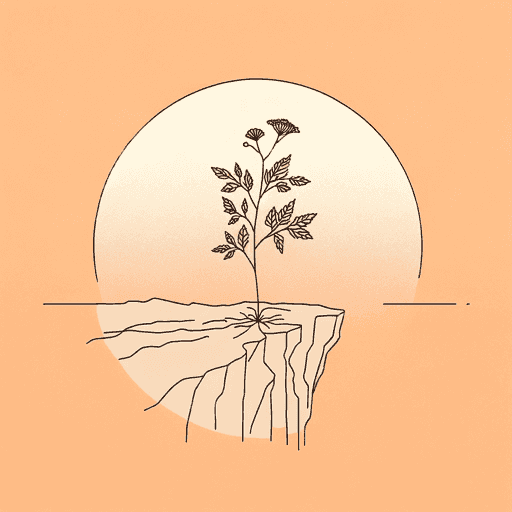
Uncultivated wild plants that grow in harsh environments like high, jagged rocks and seaside cliffs. Though considered ugly and carrying a musty green stench, they represent ultimate freedom and self-reliance. They are strong enough to break through solid stone and remain completely self-sufficient without human intervention.
Role Model for The Speaker
Conceptual Opposite of The Flowers
Cultivated, pleasant-smelling plants that grow in uniform clusters within fertile valleys or harnessed to pots of dirt. They represent a comfortable but severely constrained existence. While they enjoy protection and physical safety, they are entirely passive and lack personal agency.
Rejected Existence of The Speaker
Conceptual Opposite of The Weeds
Dependent on The Caretakers
Supporting Characters
The human figures who cultivate the flowers, representing larger society and its expectations. They provide resources and physical safety. This care operates as a transaction, as they eventually handle and pluck the flowers for their own purposes, costing the flowers their autonomy.
Harvester of The Flowers
Rejected by The Speaker
Featured Collections
Animals in Literature
View Collection
Hispanic & Latinx American Literature
View Collection
Philosophy, Logic, & Ethics
View Collection
Poems of Conflict
View Collection
Poetry: Animal Symbolism
View Collection
Poetry: Perseverance
View Collection
Political Poems
View Collection
Required Reading Lists
View Collection
Science & Nature
View Collection
Short Poems
View Collection