Mad Mabel
Mad Mabel
A modern alternative to SparkNotes and CliffsNotes, SuperSummary offers high-quality Study Guides with detailed chapter summaries and analysis of major themes, characters, and more.
Summaries & Analyses
Author Insights
Quizzes
NEWReading Tools
Chapters 65-80Chapter Summaries & Analyses
Content Warning: This section of the guide includes discussion of death, child death, death by suicide, graphic violence, child abuse, emotional abuse, mental illness, antigay bias, gender discrimination, and cursing.
Chapter 65 Summary
The day after Cess received the letter from Elliott’s lawyer, Mabel took Daphne on a bike ride to process her thoughts. She worried about Christos’s head injury and realized that her father may have only married her mother for Rosehill. Using the parish directory, Mabel located Susan’s address and found her father’s car in the driveway.
While hidden across the street, they watched Amelia, Susan’s young daughter, playing in a jacaranda tree until she became stuck. Elliott came out and stood beneath the tree, impatiently telling Amelia to hurry down, but he made no move to catch her when she slid down and fell hard to the ground. While Amelia screamed in pain and Susan suspected a broken arm, Elliott simply asked if dinner was ready.
While watching Elliott reject this child, Mabel felt clarity instead of the confusion and shame she felt during her own mistreatment. On the silent ride home, she recognized that her father’s cruelty was never about her deficiencies.
Chapter 66 Summary
On Monday, Christos returned to school recovered, but his mother had forbidden him from seeing Mabel. Mabel accepted this as confirmation that good things weren’t for her and resolved to ensure that her father met a similar fate.
Three months later, Tessa confessed to Mr. Loukas’s murder. She had struck him with a fireplace poker and staged a car accident after discovering the flat tire. Despite the confession, Elliott continued spreading rumors that Mabel coerced Tessa or committed the murder herself.
Mabel overheard Cess telling Ness that a neighbor believed Mabel was guilty simply because Elliott said so. Cess expressed understanding for why Mary died by suicide after being married to such a man. When Mabel apologized for causing them distress, Cess and Ness explained that this feeling was a gift that came from loving someone and that its absence was worse. Mabel didn’t understand.
Chapter 67 Summary: “Now”
Elsie continues telling her story to Adeem and Libby. After Adeem answers his wife’s call, Libby suggests a tea break. While checking the mail, Elsie finds Persephone sitting in the gutter beside a “Forthcoming Auction” sign that she’s pulled from the lawn. Persephone confronts Elsie about selling the house, asking who will look after her, make her apple pie, and be her “grandma.”
Elsie sits down beside her. As Persephone sobs, Elsie feels a sudden, intense emotional pain and embraces the child, recognizing this as the pain of loving and being loved that Cess once described.
After returning inside, Adeem and Libby prepare to record the crucial part of Elsie’s story. As Elsie prepares to recount the day of the murder, the past feels as though it slips into the room beside her.
Chapter 68 Summary: “Then”
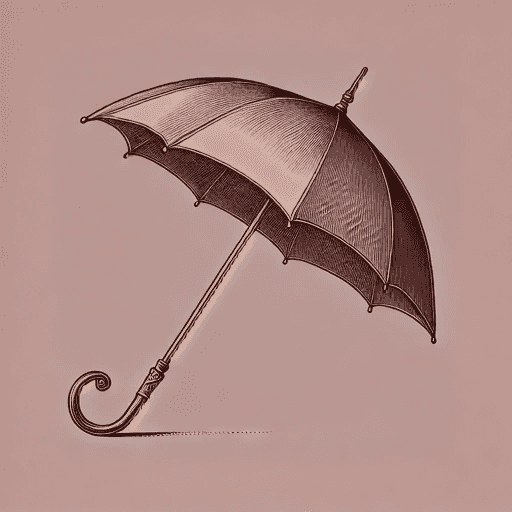
On the day of the murder, rain fell relentlessly. Feeling unwell, Mabel skipped the library and headed straight home. She found her father’s car in the driveway and heard him inside shouting at Cess and Ness, calling them “filthy whores,” saying that they were “[e]ngaging in […] unnatural behavior” (305), and claiming Rosehill as his own. While silently climbing the stairs, Mabel noticed his silver-handled umbrella outside Cess’s room.
Through the open door, Mabel saw Cess and Ness together on the bed, their romantic relationship unmistakable. Cess confronted Elliott and listed his cruelties: blaming Mabel for Kitty’s death, ruining her reputation, bullying Mary to suicide, and spreading lies about Mr. Loukas’s murder. When Mabel flinched at Elliott’s shouted claim that Mabel was “mad,” everyone saw her on the landing.
After stammering that she came home early because she felt ill, Mabel fled as Elliott ordered her to pack. She ran through the rain to find Daphne and cried as she tried to explain what she witnessed, finding refuge in Daphne’s comfort.
Chapter 69 Summary
An hour later, Mabel returned to Rosehill and found her father’s car still in the driveway. Upstairs, she pushed open Cess’s bedroom door to discover Cess sprawled naked on the floor, her head at an impossible angle, clearly dead. Elliott stood over the body, his shirt damp with sweat.
He turned calmly to Mabel and told her that she would be blamed for killing Cess. Mabel gripped the handle of her father’s umbrella, which was still leaning against the wall. As Elliott smiled smugly, she raised the umbrella and drove its steel tip into his upper chest. Before he could recover, she regripped the weapon and struck his skull, splitting skin and bone. She brought it down repeatedly until her limbs trembled and blood covered her.
Mabel knelt and confirmed that he was dead. She reflected that if she was “Mad Mabel,” he was the one who made her that way.
Chapter 70 Summary: “Now”
After Elsie finishes her account, Libby summarizes: Elliott killed Cess, Kitty’s death was an accident, and Mary’s death was a suicide. Elsie contradicts her, insisting that her father was indirectly responsible for all their deaths due to his destructive influence.
Libby notes that during the trial, the court found Elsie’s journal remarkably detailed and accurate regarding weather, dates, and specific events. The only element that couldn’t be verified was Daphne.
Chapter 71 Summary: “Then”
After confirming her father’s death, Mabel covered Cess’s naked body with her blue silk bathrobe, placed a pillow beneath her head, and smoothed her hair. Though these actions later looked suspicious in court, she never regretted them. She left her father in his blood.
Mabel went to find Daphne to say goodbye. Knowing what would happen to her, she tried to be brave, joking about being “Mad Mabel.” Daphne refused to smile, saying that she hated that name and would always think of her as “Maybelline.” They embraced, and then Mabel left. As she waved to Daphne at the window, she recalled how Daphne first appeared in kindergarten when she desperately needed a friend and appeared again during her hospital stay—seeming to materialize whenever she was most needed.
Chapter 72 Summary: “Now”
Adeem asks who Daphne is. Tearfully, Elsie says that Daphne is her friend. Libby reveals that records show that a real Daphne Barton attended kindergarten with Elsie, but they can find no evidence of her returning to Australia after moving to England. Adeem mentions that the court diagnosed Elsie with “multiple personality disorder,” allowing her to serve five years in a psychiatric hospital instead of prison He tells her that he believes she was “perfectly sane” then and remains so now.
Elsie hesitates at calling Daphne merely fictional, explaining that while she can’t see, hear, or touch her, Daphne’s presence was essential to her survival and thus utterly real. She concedes that Daphne could be called an imaginary friend but notes that such distinctions are irrelevant when that friend is the only one a person has. Adeem and Libby correct her, saying that she has real friends now and offering their own friendship, which Elsie accepts.
They discuss Rosehill’s fate—it went to Mary’s second cousin in England, who leased it to the council—before Libby asks about the child Elsie bore while incarcerated.
Chapter 73 Summary
Peter arrives, upset about the “Forthcoming Auction” sign. Elsie explains that she’s selling because her presence causes problems for neighbors. She’s particularly concerned about this now that Persephone lives on the street. Peter protests that Kenny Lane is her home and reminds her that his mother made him promise to look after her. When Elsie suggests that was before he knew who she was, Peter replies that she would be surprised what he knows. With tears in his eyes, he embraces her and calls her “mum.” Elsie leans into the hug, telling him that he has no choice about her leaving.
Chapter 74 Summary
Roxanne finds Elsie on her porch and reveals that she encountered Shane the previous night when returning from work. He asked to reconcile, but when she refused, he became enraged and mentioned Persephone for the first time—which Roxanne interprets as a threat to hurt her through their daughter. She also discloses that Shane once threatened her with a gun before she left him. Though she reported this to the police that morning, they only instructed her to call emergency services if he returns. Roxanne warns Elsie to stay vigilant since she sometimes cares for Persephone. Elsie promises to keep Persephone safe but feels powerless to protect Roxanne, who works overnight shifts.
Chapter 75 Summary
The documentary Magnificent Mabel premieres, with a screening in Adeem’s apartment. Elsie attends with Peter. The documentary reframes Elsie’s story, arguing that she wasn’t “mad” but sad, failed by her father and society. Peter holds Elsie’s hand through her tears.
The documentary goes viral, reaching 7.5 million views within a week. Public support floods in: A hand-painted sign appears at Elsie’s door declaring that there’s nothing “mad” about Mabel, flowers and heartfelt apology notes arrive daily, and an aircraft pulls a banner across the sky with a public plea for forgiveness addressed to her. The police sergeant apologizes for his earlier inaction and provides his private number, though he goes silent when Elsie asks if he would offer Roxanne the same support.
Chapter 76 Summary
The next morning, Elsie wakes to find Persephone on her bed, having let herself in with Roxanne’s emergency key. Persephone says that she’s now famous at school for living near the “crazy murderer-lady” and requests autographs for her friends (331). She asks why Elsie had an imaginary friend, saying that she would have chosen the name “Daisy” instead of “Daphne.”
Elsie explains that as a child, she had no real friends and a vivid imagination, so she created a friend. When Persephone asks if Elsie still talks to Daphne, she replies that she does sometimes, but less and less lately. Persephone concludes that this is because Elsie now has her as a friend.
Chapter 77 Summary
At 1:11 am, Elsie wakes to a tinkling sound and looks outside to see Shane on Roxanne’s porch holding a limp Persephone, her shattered bedroom window behind them. Elsie runs outside in her nightgown with Nugget following. Shane, drunk and holding a gun, tells her to leave them alone. When Persephone stirs, Elsie orders Roxanne to call the police. Lights come on in neighboring houses as Joan and Peter emerge.
Elsie tells Shane that Persephone is a human being, not a tool for revenge. Shane drops Persephone, who scrambles away after biting his arm. Enraged, he points the gun at Persephone’s head. As Roxanne screams, Elsie lunges in front of the child. The gun fires. As everything goes black, Elsie feels fortunate to hear the voices of Joan, Roxanne, Peter, and Persephone calling her name.
Chapter 78 Summary
In a documentary transcript, Elsie reveals that three months after entering the psychiatric hospital, she gave birth to a son. She labored while attended by a kind nurse named Maureen, while Ness waited downstairs. Though she could have held her baby, she chose not to, knowing that he would be taken away. Still, she felt an intense pang of love the moment she heard him cry.
After her release five years later, Elsie became a librarian and worked at Ness’s home for war widows and unwed mothers. Though not naturally maternal, she found herself drawn to one particular baby boy whom Ness had adopted and continued visiting him even after moving to Kenny Lane. His adoption file indicated that his birth mother was a teenager who delivered in a psychiatric hospital. The boy’s name was Peter.
Chapter 79 Summary
A newspaper article announces that Rosehill has a new owner: Mabel Waller’s biological son, whom she bore while incarcerated and later put up for adoption. Through a loophole in the Forfeiture Rule, which prevented Mabel from inheriting the property herself, she retained the ability to pass it to her children. The estate is valued at over 20 million Australian dollars. A second series of Magnificent Mabel is in production, and Mabel has been officially exonerated of involvement in Ishaan’s death since it was found to be caused by a vitamin overdose.
Chapter 80 Summary: “Persephone”
Three months after Elsie’s death, Persephone talks with her friend Daisy in her new bedroom. Peter shared money from Elsie’s inheritance with Roxanne, allowing them to move into a new rental. Though Persephone is still grieving and misses Elsie deeply, Daisy notes that this is the first time she has mentioned Elsie without crying. Nugget remains constantly in Persephone’s lap.
When Persephone worries that feeling better means she no longer loves Elsie, Daisy reassures her, reminding Persephone that she wasn’t the only one who knew her. Persephone realizes that she had forgotten that Daisy also knew Elsie. Daisy smiles and reveals that when she knew her, Elsie used to call her Daphne.
Chapters 65-80 Analysis
The novel’s conclusion, with the positive public reaction to Magnificent Mabel, Peter’s revelation that he knows he’s Elsie’s son, and Elsie’s self-sacrificing death, resolves the story’s central conflict regarding whether Elsie will be forever trapped in self-imposed isolation without meaningful relationships that recognize her true inner nature. This resolution connects the novel’s thematic claims about The Harms of Misinformed Public Opinion and Fear of Emotional Vulnerability After Childhood Trauma by creating a clear cause-and-effect relationship between public perspectives and Elsie’s quality of life. As long as the public views Elsie with suspicion and scorn, she fears reaching out to connect with the people around her. Her courageous decision to put her fear aside to participate in the documentary and nurture another vulnerable, lonely child creates the possibility of change in her life, but as late as Chapter 73, she’s still determined to move away from Kenny Lane and resume her life of isolation. The premier of Magnificent Mabel is a turning point. Once public opinion has shifted and people are able to see Elsie for who she truly is, she stops talking about moving and is able to embrace the people around her.
The depth of meaning that Elsie assigns to these relationships is clear in her tragic death in Chapter 77. Her culminating act of self-sacrifice dismantles her carefully guarded exterior, completing her character arc while sharply subverting the standard tropes of domestic suspense. When a drunken Shane breaks into Roxanne’s home and points a gun at Persephone’s head, Elsie lunges in front of the child, taking the fatal bullet. As she loses consciousness, she feels profound gratitude, comforted by the voices of the neighbors who love her and the presence of the son who has only recently revealed that he knows who she is and considers her to be his mother. Throughout her life, Elsie has utilized a sharp-tongued, cynical facade to shield herself from further rejection and betrayal, preemptively pushing others away. However, her immediate instinct to protect Persephone overrides this defensive posture, exposing her deep capacity for love. She views this action as an “instinct to leap in front of the child. Instinct, but also a choice” (337). By placing an octogenarian in the role of the active savior rather than a passive victim, the novel subverts the conventions of the domestic-suspense genre. Elsie operates as an agent of ultimate protection, reclaiming her narrative and authoring her own redemptive conclusion on Kenny Lane.
Elsie leaves behind several people whose lives are better for having known her, demonstrating that one individual’s courage and love can mitigate harm. Roxanne might have lost her daughter because the police did nothing meaningful to stop Shane’s violence, but Elsie saves Persephone’s life. Peter gets the chance to acknowledge his relationship with his birth mother and escort her to the showing of Magnificent Mabel, and after Elsie’s death, he inherits Rosehill. This inheritance is meaningful not just in a financial sense; the eventual passage of the family home to Peter through the maternal line happens in spite of Elliott’s attempts to steal the property away from his wife’s family. Peter ends up with the property because of both his biological mother and his adoptive mother, Ness, who kept him close to Elsie and made their eventual relationship possible. Both Elsie’s intervention in Roxanne’s situation with Shane and her passing on Rosehill to Peter affirm the importance of relationships among women as an antidote to patriarchal structures.
Persephone is the most obvious example of someone who’s better off for having had Elsie in her life. Not only does Elsie literally save Persephone’s life by stepping in front of a bullet meant for the child, but Elsie also improves Persephone’s quality of life by providing a source of love and attention that the child desperately needs. The parallels drawn between Persephone’s loneliness and Elsie’s in earlier chapters suggest that, absent Elsie’s intervention, Persephone’s life might have become as isolating as Elsie’s. Although Persephone is devastated by Elsie’s death, she remembers her chosen “grandma” with love, secure in knowing that Elsie loved her in return.
Another legacy that Elsie leaves for Persephone—and another affirmation of Female Friendship as a Lifeline in a Hostile World—is Daphne, the imaginary friend now transformed into Persephone’s imaginary companion, Daisy. Daisy wears magenta glasses and a bedazzled Eiffel Tower T-shirt, and she casually reveals that Elsie “used to call [her] Daphne” (344). Daphne’s physical reality is rendered irrelevant; her presence functions as a vital, adaptable emotional scaffold that transcends Elsie’s own lifespan. When Elsie dies, Daphne transitions directly to Persephone, appearing precisely when the young girl requires a bosom friend to navigate her intense grief. This fluid, almost supernatural transition argues that the conceptual power of unconditional platonic loyalty is strong enough to be willed into existence, offering profound salvation and stability when biological families and societal structures fail to provide a safe haven.

Get in-depth, chapter-by-chapter summaries and analysis from our literary experts.
- Grasp challenging concepts with clear, comprehensive explanations
- Revisit key plot points and ideas without rereading the book
- Share impressive insights in classes and book clubs