Platform Decay
Platform Decay
A modern alternative to SparkNotes and CliffsNotes, SuperSummary offers high-quality Study Guides with detailed chapter summaries and analysis of major themes, characters, and more.
Summaries & Analyses
Quizzes
NEWReading Tools
Symbols & Motifs
The Planetary Torus
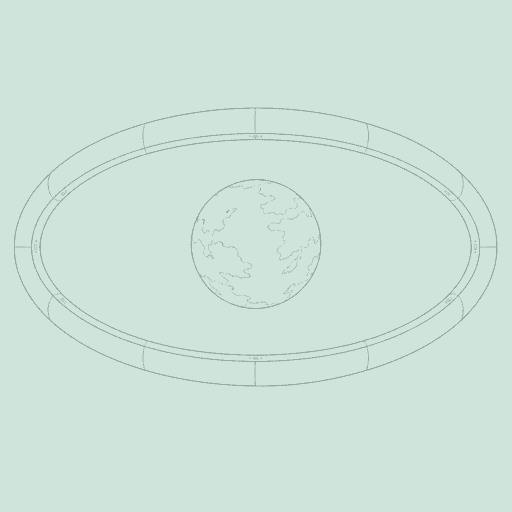
The massive planetary torus is a symbol of the hollow grandeur and inherent decay of corporate civilization, developing the theme of The Illusion of Safety in a Controlled World. The station is a monument to manufactured reality, where even apparently natural landscapes are elaborate, treacherous illusions. Murderbot’s journey begins in a disembarkation hall made of “artificial stone” and opens into a vast, simulated desert canyon, prompting it to wonder, “Was the whole inside of the torus like this?” (25). This question sets the stage for the torus as a symbol of artifice that reflects the novel’s examination of the underlying corruption of corporate facades, a concern that reflects the novel’s roots in the cyberpunk subgenre of science fiction.
The subsequent travels through a fake jungle and an ice cavern further develop this idea, showing how corporate power constructs elaborate facades as a distraction and to mask the violence and exploitation at its core. These themed zones are just as dangerous as the unmaintained tunnels, illustrating that corporate-enforced order is an unstable illusion. The symbol’s meaning is deepened by the dead planet it orbits, a world that has been “mined to extinction, mined nearly to pieces” (113). The dead world serves as a constant, silent condemnation of the torus’s existence and purpose, revealing that its spectacular, artificial environments were built upon planetary destruction. The torus symbolizes a civilization that consumes and destroys the authentic in favor of a controlled, but ultimately unsustainable, imitation.
Media Consumption
The recurring motif of Murderbot’s media consumption, particularly its devotion to serials like Sanctuary Moon, offers support for the idea that Murderbot is more like its humans than anyone recognizes. Media is the primary lens through which it grapples with stress and anxiety, processes emotion, and constructs its own identity. This constant engagement with fictional narratives is not escapism; it is a tool for self-definition and emotional regulation, central to The Continuous Struggle for Autonomy and Personhood. When faced with overwhelming anger and anxiety, Murderbot reflects, “I just really need some media […] this level of anger for this long was making my performance reliability drop” (29). This admission directly links media to its ability to function, framing it as a necessary coping mechanism that allows it to navigate high-stakes situations.
Murderbot also uses the plots and character dynamics of its shows to build frameworks for understanding complex concepts like loyalty, trust, and found family. It relates its own protective instincts toward its humans to the dramatic sacrifices it sees on screen, making media a formative, educational experience. By filtering the chaotic reality of its life through the coherent narratives of fiction, Murderbot carves out a space for an internal, emotional life that is entirely its own, demonstrating a step toward true autonomy as it learns what it means to be a person.
Performance and Disguise
The motif of performance and disguise is woven throughout the narrative, illustrating that identity is a fluid construct, and survival depends on the ability to conceal one’s true nature. The novel’s exploration of this topic is most prominent in Murderbot’s continuous effort to pass as human. Its performance is a conscious, technical act essential to maintaining its freedom, as when it employs a “new walk-like-a-human code […], which gave [it] a more relaxed posture and a different gait” (20). Murderbot considers this code to be essential, illustrated by how it offers the code to Three to ensure its safety.
This need to perform extends beyond Murderbot, becoming a universal condition for everyone living in the corporate-controlled world. Barish-Estranza security guards disguise themselves as workers to monitor the docks, and Leonide’s family must hide in a “safehouse” that is itself a performance of security. The motif is further reinforced by the recurring use of concealed passages and secret exits, physical manifestations of this theme. Characters cannot move openly; they must find hidden routes, mirroring the way they hide their true intentions and identities. This constant need for disguise underscores the idea that in a world built on surveillance and deception, authenticity is a liability, and survival is the most critical performance of all.

Unlock the meaning behind every key symbol & motif
See how recurring imagery, objects, and ideas shape the narrative.
- Explore how the author builds meaning through symbolism
- Understand what symbols & motifs represent in the text
- Connect recurring ideas to themes, characters, and events