Sula
A modern alternative to SparkNotes and CliffsNotes, SuperSummary offers high-quality Study Guides with detailed chapter summaries and analysis of major themes, characters, and more. For select classroom titles, we also provide Teaching Guides with discussion and quiz questions to prompt student engagement.
Summaries & Analyses
Quizzes
NEWReading Tools
Games
Symbols & Motifs
Content Warning: This section of the guide includes discussion of racism, death, graphic violence, death, substance use, addiction, animal death, and gender discrimination.
The Birthmark
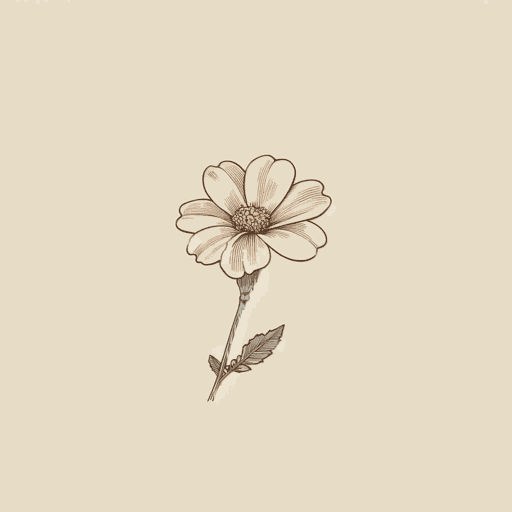
The narrator describes the birthmark over Sula’s eye, which darkens with age, as “a stemmed rose” (52). Shadrack sees it as a tadpole—“the mark of the fish he loved” (156). Jude saw a copperhead. Most of the inhabitants of the Bottom concluded that “it was Hannah’s ashes marking her from the beginning” (114). For everyone who looks at her, it’s a marker of difference, physical evidence of what set Sula apart from everyone else in the Bottom. It is therefore key to the theme of Black Womanhood and the Politics of Respectability.
The birthmark is also a projection of the viewer’s own fears, interests, or desires. Shadrack, a Christ-like figure, is the only character who makes no judgements about Sula. Likening the birthmark to his favorite fish may be an indication of his favoritism toward her; it may also refer to his image of her, fixed on that moment in her childhood when she went to him for succor.
Jude’s interpretation of the birthmark signals danger. He projected onto her the recklessness that he possessed, unable to take responsibility for his own desire to escape from the life he had created with Nel. The town, which had decided that Sula was inherently evil, believed that she was predestined to bring danger and to love no one—not even her own mother.
It is the narrator who recognizes the birthmark as a rose—a flower that is often a metaphor for love and beauty, but not without the threat of danger thanks to its thorns. Similarly, Sula is long perceived as dangerous and possesses a beauty and capacity to love that few, other than Shadrack, Ajax, and Nel, can recognize fully, due to their fears of her.
Fire
Two characters die in fires—Plum and Hannah. The first is ignited alive after falling into a heroin-induced stupor, while the latter accidentally sets herself aflame while setting a bonfire. The first dies with relatively little pain, while the latter suffers mercilessly. The first dies privately, while the latter becomes a community spectacle.
Fire, in the novel, is symbolic of sacrifice and renewal, particularly as they relate to The Burden of Legacies. Eva sets Plum on fire to avoid watching her most beloved child kill himself slowly. Shadrack, Plum returned from war with psychic wounds he would not let anyone see. Unlike Shadrack, he was unable to find a way to cope with life and found succor in heroin. Eva’s act, as violent as it is, is an attempt to wrest control from a situation that could have destroyed them both—simultaneously a sacrifice of the son she hoped would inherit her legacy and vengeance against the son who disappointed her.
Hannah’s burning, and Morrison’s gruesome details about the falling away of her flesh, highlight the fragility of the beauty on which Hannah relied. It is as though Ajax’s calls to Nel and Sula as “pigmeat” has come true. Hannah has been reduced to cooked flesh. However, her immolation also allows Sula to come into being. No longer having a mother whose approval she has to think about, as Nel does, she is free to become whoever she wants.
A Plague of Robins
Sula’s return to Medallion is heralded by the deaths of a slew of robins. Robins have significance in the folklore of various cultures—Celtic, Norse, Indigenous American, and others. Their red breasts have been the inspiration of numerous origin stories. Some claim that the robin got its red mark after piercing itself on one of the thorn’s in Christ’s crown of thorns. During the Victorian era, the robin heralded the arrival of the Christmas season.
In America, the arrival of the bird, which is migratory, often connotes the arrival of spring. Medallion will indeed find itself renewed in numerous ways, many unexpected, by Sula’s return home. However, the fact that the novel’s robins are dead complicates this symbolism of rebirth. In part, this indicates the potential trouble (from the Bottom’s perspective) that Sula will bring to a community that believes it lives in a relative degree of peace. At the same time, the deaths also reveal the Bottom’s weary acceptance of misfortune: “[T]hey let it run its course, fulfill itself, and never invented ways either to alter it, to annihilate it or to prevent its happening again. So also were they with people” (89-90). This attitude of resignation stems from historical trauma, making the birds a symbol related to The Burden of Legacies: For the novel’s marginalized characters, the hope of renewal is always tempered by the recognition of the ongoing realities of racism, sexism, etc., sometimes to a self-defeating extent.
Paper Dolls
When Shadrack emerges from the hospital where he was discharged, he looks around at the strangers walking by. They seem to him like paper dolls, newly materialized. Similarly, while contemplating the end of her affair with Ajax, Sula remembers the paper dolls that she had as a little girl. She thinks about how easily their heads popped off, which made her “hold[] [her own head] very stiff because [she] thought a strong wind or a heavy push would snap [her] neck” (136). Now, she reflects, she has “lost [her head]” anyway. Paper dolls are a metaphor for human fragility, both physical (as exposed by war) and emotional (as exposed by love). Shadrack and Sula understand this fragility better than the other characters in the novel, and this mutual understanding is what undergirds their quiet bond.
Paper dolls also resonate with the novel’s exploration of gender roles. Dolls in general are stereotypically a girl’s toy—paper dolls, in their association with both fashion and fragility, are doubly “feminine.” In this context, Sula’s reflections on paper dolls reflect her sense that she made herself vulnerable, to a potentially fatal degree, by embracing a conventionally feminine role in her affair with Ajax.

Unlock the meaning behind every key symbol & motif
See how recurring imagery, objects, and ideas shape the narrative.
- Explore how the author builds meaning through symbolism
- Understand what symbols & motifs represent in the text
- Connect recurring ideas to themes, characters, and events
Related Titles
By Toni Morrison