The Innocent
The Innocent
A modern alternative to SparkNotes and CliffsNotes, SuperSummary offers high-quality Study Guides with detailed chapter summaries and analysis of major themes, characters, and more.
Summaries & Analyses
Quizzes
NEWReading Tools
Symbols & Motifs
Content Warning: This section of the guide includes discussion of sexual content.
The Camera Phone
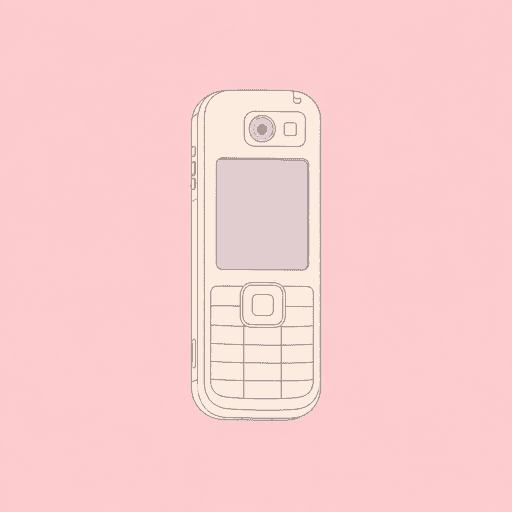
The camera phone is a recurring motif that functions as the primary catalyst for the novel’s central conflict, representing the distortion of truth and the destructive power of technology to shatter privacy and security. Introduced as a novelty Matt and Olivia purchase to celebrate her pregnancy, the device is meant to capture and share moments of joy. Matt, however, feels an immediate and prescient unease, viewing the hybrid device as an unnatural “interspecies breeding […] that grows out of control and destroys all in its path” (24).
His apprehension proves tragically accurate when the phone, intended to build intimacy, becomes the very instrument used to destroy it. The fabricated images of Olivia’s infidelity are carefully constructed visual “proof” that invades Matt’s life, demonstrating how technology can be weaponized to manipulate perception and exploit personal vulnerabilities. The motif emphasizes how modern life leaves individuals exposed, as a private device becomes a conduit for a meticulously planned assault on Matt’s reality. By delivering a manufactured version of the past directly into Matt’s present, the camera phone becomes a powerful engine for the theme of The Inescapable Weight of the Past, showing how old secrets and new deceptions can converge in a digital format to dismantle a life in an instant.
The Giant Pabst Blue Ribbon Bottle
The giant, decaying Pabst Blue Ribbon bottle that looms over Matt’s Irvington home is a symbol of urban decay, abandonment, and the gritty past Matt struggles to escape. Once a proud “glorious water tower with copper-plated steel plates,” the landmark is now a monument to neglect, its color “beer-bottle brown but […] really rust red” and its label long gone (23). The bottle’s physical deterioration directly mirrors the decline of the surrounding neighborhood, which “had not so much fallen apart as slowly disintegrated” (24).
For Matt, the bottle is a constant, oppressive reminder of a world defined by struggle and disillusionment, a stark contrast to the idealized suburban life he hopes to build with Olivia. It represents the reality he was thrust into after prison, a place of grit and hardship that he has come to accept but desperately wants to leave behind. As a symbol, the bottle anchors Matt to his history, visually reinforcing the theme of The Inescapable Weight of the Past. It is a silent sentinel, embodying the physical and psychological landscape of a past that cannot be fully erased, no matter how far one tries to run into the manicured safety of the suburbs.
The Dream House
The “dream house” in Livingston that Matt and Olivia place under contract is a powerful symbol of their shared hope for redemption, normalcy, and a future shielded from the past. For both characters, the house represents more than just property; it is the physical embodiment of a return to innocence and the ultimate realization of The Fragility of Suburban Safety. Matt sees it as a way to reclaim the peaceful life he lost, while Olivia views it as the foundation for the stable, loving family she never had.
This idyllic vision is immediately threatened by the intrusion of violence and suspicion. The moment Matt receives the pictures on his camera phone, his idyllic vision shatters, and the future he imagined becomes impossible for him to imagine. The narrative continually reinforces this fragility, as local detective Lance Banner harasses Matt on the property. Later, a climactic police manhunt takes place in Marsha’s suburban backyard. The dream house ultimately is a tragic ideal, a symbol of a sanctuary that is ultimately penetrable, proving that no picket fence or manicured lawn can provide a true barrier against the chaos of one’s history.
Wigs and Disguises
The motif of wigs and disguises is a constant visual representation of deception and the constructed nature of identity in the novel. The platinum blonde wig Olivia is forced to wear is the most prominent example, symbolizing the false narrative created to destroy her marriage and lure her into a trap. When Matt first sees the video of the woman with “platinum blond” hair, he is confronted with a physical disguise that mirrors the deeper reinventions of self that drive the plot. Both Olivia, who shed her identity as the adult entertainer Candace Potter, and Emma Lemay, who became the pious Sister Mary Rose, use new personas as survival mechanisms to escape their traumatic and criminal pasts. These transformations are complete fabrications of history and character. The wigs and other disguises, like the one Max Darrow wears to impersonate Charles Talley, literalize the central theme of The Reinvention of Identity. They highlight how easily appearances can be manipulated and how a person’s true self can be concealed beneath layers of artifice, whether it is for protection, atonement, or malicious deceit.

Unlock the meaning behind every key symbol & motif
See how recurring imagery, objects, and ideas shape the narrative.
- Explore how the author builds meaning through symbolism
- Understand what symbols & motifs represent in the text
- Connect recurring ideas to themes, characters, and events