The Interestings
A modern alternative to SparkNotes and CliffsNotes, SuperSummary offers high-quality Study Guides with detailed chapter summaries and analysis of major themes, characters, and more.
Summaries & Analyses
Quizzes
NEWReading Tools
Symbols & Motifs
Content Warning: This section of the guide includes discussion of cursing, child abuse, substance use, and graphic violence.
Spirit-in-the-Woods Camp
The summer camp Spirit-in-the-Woods is a powerful symbol of a youthful idyll where talent, friendship, and potential seem pure and boundless. It functions as the novel’s foundational myth, a perfect, unrecoverable past against which the characters measure the compromises and disappointments of their adult lives. The camp represents a meritocracy of creativity, where a group of teenagers can ironically name themselves “The Interestings” and believe in their collective “greatness-in-waiting” (11). This initial perception of equality and promise directly fuels the novel’s central theme concerning Managing Ambitious Expectations of Adult Life. The camp fosters an idealized vision of what their lives should be, establishing a standard that the messy, unequal circumstances of adulthood cannot meet. This contrast between the camp as a creative sanctuary and the complex world of commerce and class that follows becomes the primary source of the characters’ enduring anxieties and resentments. The memory of the camp is a constant, bittersweet reminder of a time when their talents and bonds felt absolute, before being tested by envy and divergent fortunes.
Ethan Figman’s observation that the camp is a “utopia” and the “opposite of Spirit-in-the-Woods” (12) highlights its symbolic role as a perfect, self-contained world governed by art and camaraderie rather than conflict. This perception makes the characters’ subsequent entry into “a world of fuckers” (5), as they see it during the Nixon scandal, feel like a fall from grace. At Spirit-in-the-Woods, art is created for its own sake, born from pure imagination and collaboration, which stands in stark contrast to the way art becomes intertwined with commerce and morality in their adult lives. The camp symbolizes a moment of pure potential, a shared dream of an exceptional life that haunts them as they navigate the more ordinary and complicated paths they eventually follow.
Later in the novel, the camp transforms into an idealized origin point from which all later successes and failures are judged. Jules Jacobson becomes aware of this perception when she returns to Spirit-in-the-Woods as an adult, stepping into a new role as camp director. Her lack of fulfillment in the role leads Dennis Boyd to observe that what made her youth feel special wasn’t the camp itself, but her youth and the affinity she felt around other talented adolescents. Jules thus allows herself to become detached from her rosy memories of the camp and embraces the potential for meaningful work in her therapy practice.
Figland
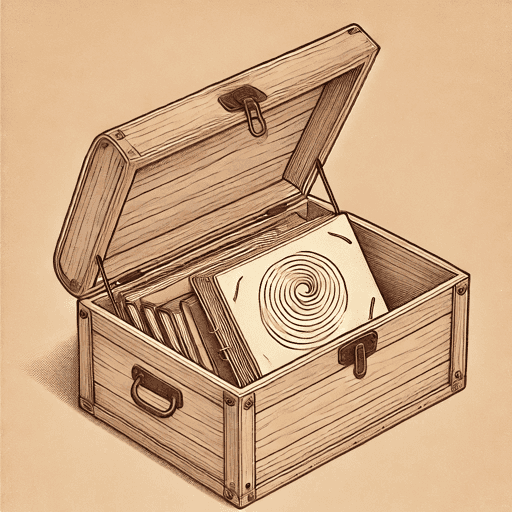
Figland, Ethan’s animated creation, is a multifaceted symbol that tracks the trajectory of art from a private, imaginative refuge to a massively commercialized global product. This evolution is central to the novel’s exploration of the complex relationship between art, commerce, and morality. Initially, Figland is a deeply personal world born from Ethan’s childhood loneliness, a secret universe contained in a shoebox. When he first shares it with Jules, it is an act of profound vulnerability and an offering of his truest self. He tells her, “what I’m about to show you are the contents of my brain” (19). This confession underscores Figland’s origin as a pure, intimate act of creation, a world built as an escape from the pain of his parents’ fighting. Rather than entertain or generate profit, the animation’s initial purpose is to provide a sanctuary for its creator, symbolizing the idealistic vision of art fostered at Spirit-in-the-Woods.
As Ethan matures, however, Figland transforms. Guided by Gil Wolf’s cynical business advice, Ethan’s personal vision becomes a commercial enterprise, and its success makes him extraordinarily wealthy. This transformation symbolizes how unique talent is processed and commodified by the market. Figland’s success is the primary engine of the plot, creating the immense financial and social disparity between Ethan and Ash Wolf and their friends, which in turn fuels the novel’s central theme of envy as a corrosive force in friendship. The creation that once bonded Ethan and Jules through a shared “sensibility” (20) becomes the very thing that highlights the vast, often painful, distance that grows between their adult lives. Figland’s journey from a private solace to a commercial empire encapsulates the novel’s argument that art in the adult world is rarely pure and is instead inextricably linked to money, power, and class.
The Banjo
The banjo functions as a symbol for talent and the joy of making art, which becomes the central object of Jonah Bay’s character arc throughout the novel. The banjo first appears as the instrument of choice of Barry Claimes, the folksinger who once dated Jonah’s mother, Susannah. Unbeknownst to Jonah’s friends, Barry abused and exploited Jonah, giving him drugs and stealing ideas for songs that would propel Barry to fame as a solo artist. When Jonah realizes what Barry did to him, he becomes alienated from the idea of an artistic life and pivots into a career path in science. However, Jonah is terrified of sharing his trauma with anyone, a character flaw that eventually impacts his long-term relationship with Robert.
In Chapter 19, Jonah re-encounters Barry as an adult and finally confronts him over his abuse. The banjo takes on its symbolic function in this scene as Jonah uses Barry’s own banjo to strike him down. Jonah walks away with the banjo in hand, physically representing his desire to reclaim his stolen talent from Barry. When Jonah finally opens up to Ethan about what happened, Ethan takes the act of reclamation one step further by suggesting that Barry only stole some of his creative talent. This allows Jonah to reacquaint himself with his musical skills, eventually passing them on to Mo as his banjo teacher. Jonah indirectly returns the favor of his emotional support to Ethan when Mo uses his banjo to move his father to tears. Ethan thus recognizes his love for Mo in the joy he draws from playing music.

Unlock the meaning behind every key symbol & motif
See how recurring imagery, objects, and ideas shape the narrative.
- Explore how the author builds meaning through symbolism
- Understand what symbols & motifs represent in the text
- Connect recurring ideas to themes, characters, and events
Related Titles
By Meg Wolitzer