The Smallest Woman in the World
The Smallest Woman in the World
A modern alternative to SparkNotes and CliffsNotes, SuperSummary offers high-quality Study Guides with detailed chapter summaries and analysis of major themes, characters, and more.
Character List
Meet the key characters, with insights into their roles, motivations, and relationships—spoiler-free.
Major Characters
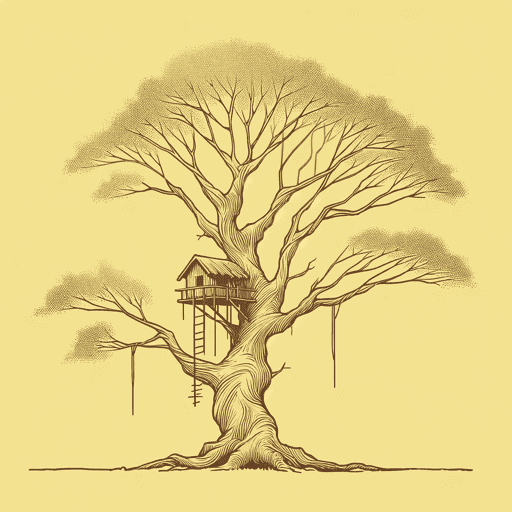
Little Flower is a pregnant woman belonging to the Likouala pygmy tribe in the Central Congo, measuring only 18 inches tall. To survive the hazardous jungle environment and the constant threat of cannibalistic tribes, she and her people live high in the trees. Although her life-size photograph reduces her to an object of fascination for Western newspaper readers, she maintains a profound, self-sufficient humanity. She expresses genuine joy, warmth, and an uncomplicated ability to love both people and objects.
Subject of study for Marcel Pretre
Partner of Little Flower's Consort
Hunted by The Bantu Tribe
Object of fantasy for The Boy
Object of reflection for The Mother
Object of comparison for The Little Girl
Marcel Pretre is a French explorer and self-described man of the world who views his anthropological work as a marker of intellectual prestige. Driven by colonial curiosity, he discovers Little Flower and photographs her for a Sunday newspaper in Europe. He relies on scientific categorization to maintain superiority over his subjects, yet he finds himself deeply flustered and confused when Little Flower responds to him with genuine emotion.
Explorer and observer of Little Flower
Documenter of The Bantu Tribe
Indirect cultural influencer of The Mother
Indirect cultural influencer of The Boy
Indirect cultural influencer of The Little Girl
Indirect cultural influencer of The Young Bride
Supporting Characters
The Mother is a Western reader of the Sunday newspaper who views the life-size photograph of Little Flower. While going through her grooming routine, she experiences a complex internal conflict between her inherent empathy for the pregnant pygmy woman and her need to maintain strict social distance. She struggles with the dark implications of her son's request to keep Little Flower as a toy. She ultimately chooses to perform a polite, refined smile that masks her anxiety.
Mother of The Boy
Employer of The Family Cook
Secretly identifying with Little Flower
Consumer of photograph by Marcel Pretre
The Boy is the son of The Mother, featured in the story's fifth vignette. Upon seeing the life-size photograph of Little Flower, he immediately expresses a desire to own her and use her as a plaything. His childish possessiveness prompts his mother to reflect on the dark, objectifying nature of love and curiosity.
Son of The Mother
Desiring to possess Little Flower
The Family Cook is an employee in The Mother's household who previously shared a grim anecdote from her childhood. She grew up in an orphanage where girls once hid a companion's death so they could continue playing with the corpse like a doll. This story serves as a morbid parallel to the Western impulse to objectify and possess Little Flower.
Employee of The Mother
The Little Girl is a five-year-old reader who views Little Flower's picture. Because she previously held the position of the smallest person in her own family, she feels a sense of displacement upon seeing someone even smaller. She uniquely relates to the vulnerable position of being the smallest. She recognizes it as a source of both affection and limitation.
Projecting herself onto Little Flower
The Young Bride is a newlywed woman who reacts to the Sunday newspaper with immediate pity for Little Flower. She views the pygmy woman's life as inherently sad. She demonstrates a patronizing but emotionally reactive form of Western compassion that is quickly shut down by her mother.
Daughter of The Bride's Mother
Feeling pity for Little Flower
The Bride's Mother views Little Flower's photograph alongside her daughter. To dismiss the younger woman's compassion, she likens the pygmy woman to an animal. This action dehumanizes Little Flower and reinforces the mother's own sense of cultural superiority.
Mother of The Young Bride
Dehumanizing observer of Little Flower
The Father is the patriarchal head of a family examining the photograph of Little Flower. When his wife and daughter begin expressing a deeper, physical connection regarding Little Flower's pregnancy, he abruptly shuts down the conversation to reestablish social control and boundary lines.
Husband of The Sixth Vignette Mother
Father of The Sixth Vignette Daughter
This mother participates in her family's fantasy of possessing Little Flower as a domestic servant. She engages in an animated discussion with her daughter about the size of Little Flower's unborn baby. She briefly connects with the African woman through shared aspects of motherhood before her husband ends the dialogue.
The daughter in the sixth vignette joins her family in imagining what it would be like to own Little Flower. She specifically focuses on the physical reality of Little Flower's unborn child. This allows her to experience a moment of female solidarity and curiosity that violates the family's patriarchal dynamic.
The Bantu tribe is a group in the Central Congo that hunts the Likouala pygmies. They capture the smaller tribe members with nets and eat them. Their literal consumption of human flesh serves as a physical counterpart to the cultural cannibalism and monstrous desire exhibited by the Western newspaper readers.
Hunter of Little Flower
Documented by Marcel Pretre
Little Flower's consort is a male member of the Likouala pygmy tribe. He resides in the high canopy of the Central Congo jungle with his pregnant partner. He helps her survive the environmental hazards and the constant threat of the cannibalistic Bantu tribe.
Partner of Little Flower
The Old Reader appears in the final vignette of the story. She views the photograph of Little Flower and subsequently dismisses the difficult implications of the image by making a reference to God. This action allows her to close the newspaper and restore the comfortable distance between her European context and Little Flower's reality.
Dismissive observer of Little Flower
The First Woman is a Sunday newspaper reader who encounters the life-size photograph of Little Flower. Unable to process the visual reality of the tiny, pregnant pygmy woman, she simply turns away from the image because looking at it causes her physical or emotional pain.
Pained observer of Little Flower
The Second Woman reacts to Little Flower's photograph with a perverse tenderness inspired by the African woman's smallness. The narrator notes that this specific type of twisted affection is a dangerous emotion, implicitly warning that leaving Little Flower alone with this woman's tenderness would lead to harm.
Perversely tender toward Little Flower