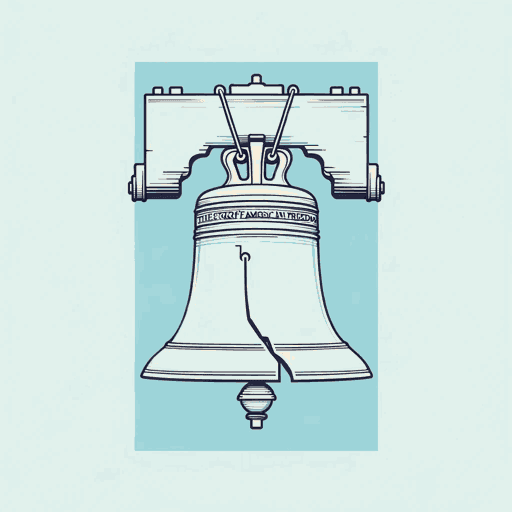
The Story of American Freedom
A modern alternative to SparkNotes and CliffsNotes, SuperSummary offers high-quality Study Guides with detailed chapter summaries and analysis of major themes, characters, and more.
Book Brief
448
Book • Nonfiction
•
American Literature•
PhilosophyUnited States • Various Eras
•
Race•
Politics & Government•
Education1977
W. W. Norton & Company
Adult
18+ years

Super Short Summary
The Story of American Freedom by Eric Foner chronicles the evolution of American values of freedom and liberty from the American Revolution to the conservative resurgence of the 1980s and 1990s, focusing on how freedom has been limited, contested, and expanded over time. Foner explores the meanings of freedom, the social conditions enabling it, and its boundaries across key historical periods, detailing how various social and political movements have shaped its interpretation in the United States.
Informative
Inspirational
Contemplative
Emotional
Challenging
Reviews & Readership
930 ratings
Loved it
Mixed feelings
Not a fan

Review Roundup
Eric Foner's The Story of American Freedom offers a comprehensive and insightful exploration of the evolving concept of freedom in American history. Praised for its thorough research, the book balances an engaging narrative with academic rigor. Some readers find it dense and occasionally repetitive, yet it remains a valuable resource for understanding America's complex freedom narrative.

Who Should Read The Story of American Freedom?
Readers who appreciate a nuanced take on American history, exploring the evolving concept of freedom, will enjoy Eric Foner’s The Story of American Freedom. Comparable works include Howard Zinn's A People's History of the United States and Jill Lepore's These Truths, catering to those interested in critical, in-depth national narratives.
930 ratings
Loved it
Mixed feelings
Not a fan
Born in Virginia, he was a Founding Father and the principal author of the Declaration of Independence, later serving as the third President of the United States, with his tenure marked by the Louisiana Purchase.
An escaped slave from Maryland who became a leading abolitionist, known for his powerful speeches and writings advocating for liberty and equality.
The 16th President of the United States, whose presidency was defined by his opposition to slavery and leadership during the Civil War.
A pioneering figure in the women’s rights movement, known for organizing the Seneca Falls Convention and advocating for women's autonomy and self-realization.
A prominent union leader and political activist who played a key role in the labor movement, famously appropriating the language of American freedom for labor's cause.
The 28th President of the United States, associated with leading the country during World War I and backing numerous progressive reforms.
The 32nd President of the United States, who implemented the New Deal during the Great Depression and led the country through World War II.
A Baptist minister and leader of the civil rights movement, known for his nonviolent activism and powerful oratory advocating for freedom and equality.
The 36th President of the United States, whose Great Society agenda focused on expanding government programs to promote racial equality and eliminate poverty.
The 40th President of the United States, noted for his media prowess and leadership during a time of conservative political revival, emphasizing tax cuts and increased military spending.
448
Book • Nonfiction
•
American Literature•
PhilosophyUnited States • Various Eras
•
Race•
Politics & Government•
Education1977
W. W. Norton & Company
Adult
18+ years
Continue your reading experience
Subscribe now to unlock the rest of this Study Guide plus our full library, which features expert-written summaries and analyses of 10,950+ additional titles.