The Women on Platform Two
The Women on Platform Two
A modern alternative to SparkNotes and CliffsNotes, SuperSummary offers high-quality Study Guides with detailed chapter summaries and analysis of major themes, characters, and more.
Summaries & Analyses
Author Insights
Quizzes
NEWReading Tools
Symbols & Motifs
Content Warning: This section of the guide includes discussion of gender discrimination.
The Train
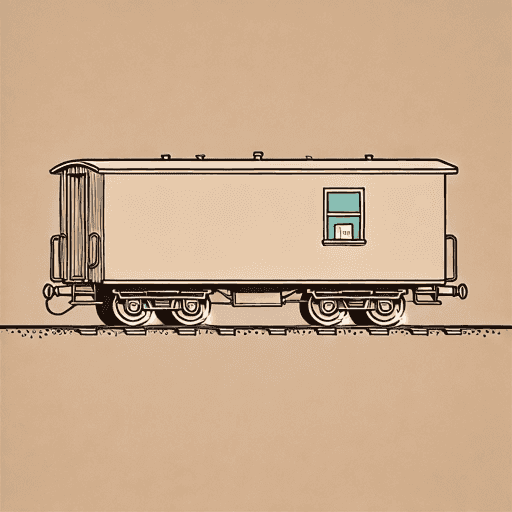
The train is the novel’s central symbol, representing a multi-layered journey toward liberation that is both literal and metaphorical. As the narrative’s framing device, the train is the vehicle through which women’s history is transmitted from one generation to the next, physically carrying Saoirse away from her present-day conflict and into Maura’s past. Maura’s story begins because Saoirse accidentally boards the Belfast train, highlighting its role as a catalyst for connection and understanding. The train’s primary symbolic weight, however, comes from the 1971 Contraceptive Train protest. For the women of the Irish Women’s Liberation Movement, the journey is a public act of defiance, a mobile protest that crosses a border to access fundamental rights. Maura reflects on the journey’s significance, noting it was her “first time on this train. Bernie’s too. It changed our lives forever” (12). This statement underscores the train’s power not just as transportation, but as a transformative force. It symbolizes the momentum of social change and the power of collective action, directly connecting to the themes of Female Friendship as a Catalyst for Rebellion and The Generational Struggle for Bodily Autonomy. The train is a space of solidarity where shared stories and a common purpose turn a simple commute into a historic pilgrimage for freedom.
Bernie’s Scrapbook
Bernie’s scrapbook is a symbol of women’s private histories, friendship, and the preservation of a female-centric legacy. The novel’s plot is set in motion when Maura drops a photograph from this scrapbook, prompting Saoirse to return it and thereby initiating their shared journey. The scrapbook itself, filled with recipes, drawings, and photographs, represents the domestic and emotional labor of women, which is often devalued or overlooked by official historical records. As Bernie tells Maura, it contains “All the scraps that make up life as a McCarthy girl, I suppose” (87). Her description validates these “scraps”—the intimate, everyday details of raising children, maintaining friendships, and building a home—as a legitimate and essential form of history. By carrying Bernie’s scrapbook with her for over fifty years and eventually showing it to Saoirse, Maura performs a crucial act of preservation. The scrapbook becomes the physical embodiment of the oral history she shares, a testament to the resilience and solidarity that defined her friendship with Bernie. It symbolizes the importance of passing stories from woman to woman, ensuring that the struggles and triumphs of the past are not forgotten but instead become a source of strength for the future, linking directly to the themes of generational struggle and female friendship.
Condoms
Condoms function as a recurring motif in The Women on Platform Two, tracing women’s bodily autonomy from criminalized secrecy to public defiance. Their evolving presence connects directly to the novel’s exploration of the generational struggle for reproductive freedom, as each appearance marks a shift in what women are permitted to claim for themselves.
When condoms first enter the narrative, they are contraband known only as “French letters,” smuggled into Ireland inside a rolled newspaper and exchanged in a pub where women are barely tolerated. The secrecy surrounding their acquisition mirrors the broader suppression of women’s reproductive choices. Even possessing them could destroy a family’s livelihood; Dan fears that discovery would mean customers “would boycott us” and they would “lose the roof over our head” (173). At this stage, condoms represent both desperate hope and profound risk, offering Bernie and Dan a path back to intimacy while threatening their survival.
The motif’s meaning transforms at Connolly Station when the women return from Belfast. Maura, Geraldine, and Teresa inflate condoms like balloons and toss them into a cheering crowd. What was once concealed inside a newspaper is now held aloft in public, and the object associated with private shame becomes an instrument of collective celebration. This act converts a symbol of legal transgression into one of bodily sovereignty.
Yet Anthony resists framing this moment as a conclusion. In 2023, Maura observes that condom vending machines now exist in public restrooms, but she notes that “birth control is a woman’s problem” (317), a reminder that accessibility has not dissolved the deeper inequity. The motif thus measures progress while marking how far the struggle still extends, affirming the theme of The Generational Struggle for Bodily Autonomy.

Unlock the meaning behind every key symbol & motif
See how recurring imagery, objects, and ideas shape the narrative.
- Explore how the author builds meaning through symbolism
- Understand what symbols & motifs represent in the text
- Connect recurring ideas to themes, characters, and events