Threshing Day
A modern alternative to SparkNotes and CliffsNotes, SuperSummary offers high-quality Study Guides with detailed chapter summaries and analysis of major themes, characters, and more.
Summaries & Analyses
Quizzes
NEWReading Tools
Themes
Content Warning: This section of the guide includes discussion of death, bullying, suicidal ideation, and cursing.
The Cost of Rebellion
In Rebecca Yarros’s Threshing Day, the children of those who participated in the rebellion are forced to endure violent prejudice because of their parents’ failed uprising. Marked by rebellion relics, they are ostracized and targeted for violence within Basgiath War College. These marks identify them as descendants of rebels, exposing them to hostility from fellow cadets, institutional discrimination, and danger from dragons whose riders died during the uprising. The collection explores how inherited punishment can foster solidarity among those who face it.
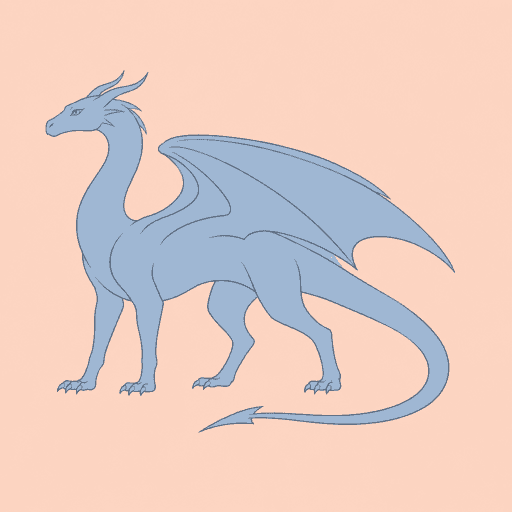
The prejudice against the “marked ones” is reinforced by the rules of the Riders Quadrant. Professor Kaori, one of the few sympathetic figures, warns the 10 first-years about dragons whose previous riders were killed during the rebellion. Carrigan Wyckley responds by asking whether they would be “happy to eat [them]” (40). Their isolation is also enforced by Addendum Five to the Code of Conduct, which prohibits them from gathering in groups larger than three. These restrictions limit their ability to support and protect one another, even as they face threats from fellow cadets and dragons. By restricting their association, the institution compounds the dangers they already face because of their parents’ actions.
This hostility also manifests in targeted violence from loyalist peers, who see the marked ones as extensions of their parents’ treason.

Unlock every key theme and why it matters
Get in-depth breakdowns of the book’s main ideas and how they connect and evolve.
- Explore how themes develop throughout the text
- Connect themes to characters, events, and symbols
- Support essays and discussions with thematic evidence
Related Titles
By Rebecca Yarros