68 pages • 2-hour read
Watership Down
A modern alternative to SparkNotes and CliffsNotes, SuperSummary offers high-quality Study Guides with detailed chapter summaries and analysis of major themes, characters, and more.
Book Club Questions
General Impressions
Gather initial thoughts and broad opinions about the book.
1. Adams balances realistic rabbit behavior with human-like reasoning and speech. How did this affect your engagement with the story?
2. How does Watership Down compare to Adams’s other works like The Plague Dogs in its exploration of animal consciousness and human intervention? If this is your first encounter with Adams, what novels have you read that are similar?
3. Which aspects of the storytelling in Watership Down resonated most strongly with you and why?
Personal Reflection and Connection
Encourage readers to connect the book’s themes and characters with their personal experiences.
1. Hazel succeeds as a leader by recognizing and utilizing the unique strengths of each member of his group. When have you witnessed, experienced, or practiced this kind of leadership in your own life?
2. Have you ever had to make a difficult decision based on intuition rather than evidence, similar to how the rabbits trust Fiver’s unexplainable predictions?
3. Which character in the novel do you identify with most strongly, and what qualities or experiences do you share with them?
4. The contrast between Cowslip’s warren (comfortable but dangerous) and Watership Down (challenging but free) presents different value systems. When have you faced similar choices between comfort and freedom? How did you resolve it?
5. The rabbits tell stories of El-ahrairah to inspire courage and cleverness. What stories or cultural tales served a similar purpose in your upbringing?
Societal and Cultural Context
Examine the book’s relevance to societal issues, historical events, or cultural themes.
1. When Watership Down was published in 1972, its themes of freedom, authority, and ecological awareness carried particular weight. How might these themes resonate differently for readers today?
2. Adams portrays warrens with distinct and differing political structures. What parallels can you draw between these rabbit societies and human forms of governance?
3. Some critics have pointed out that the gender dynamics in Watership Down are problematic, noting the predominantly male adventure and the secondary role of female rabbits. How might a contemporary retelling address gender representation?
Literary Analysis
Dive into the book’s structure, characters, themes, and symbolism.
1. What is the role of the El-ahrairah stories within the larger narrative? By including them, what might Adams be suggesting about the role of mythology in society?
2. Why does the partnership between Fiver and Hazel prove so effective? What might this suggest about complementary approaches to problem solving?
3. The structure of the journey in Watership Down echoes classical epics like Homer’s Odyssey. Which elements borrowed from traditional epics stand out? How does Adams adapt them for his modern fable?
4. What purpose does the invented Lapine language serve beyond simple world-building?
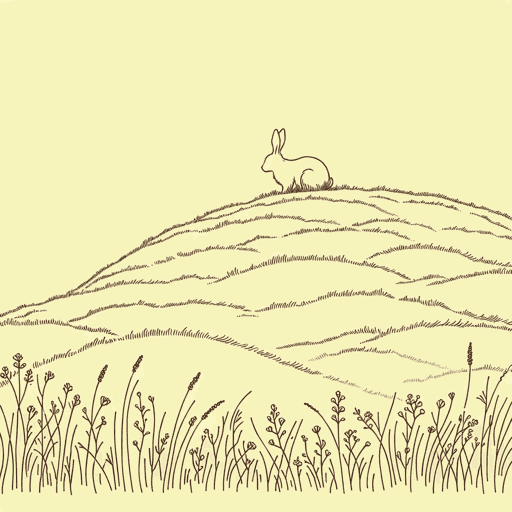
5. What role do Adams’s rich descriptions of the English countryside play in developing both the story’s atmosphere and its themes?
Creative Engagement
Encourage imaginative and creative connections to the book.
1. If you were to create a new El-ahrairah story that might fit within the Watership Down universe, what lessons would it explore and what clever solutions might the rabbit hero devise?
2. Imagine you are founding a new warren with rabbits from all four societies depicted in the novel. What principles would guide your community?
3. What new challenges might confront the inhabitants of Watership Down in the generation following Hazel’s leadership?

Unlock all 68 pages of this Study Guide
Get in-depth, chapter-by-chapter summaries and analysis from our literary experts.
- Grasp challenging concepts with clear, comprehensive explanations
- Revisit key plot points and ideas without rereading the book
- Share impressive insights in classes and book clubs