Where I Was From
Where I Was From
A modern alternative to SparkNotes and CliffsNotes, SuperSummary offers high-quality Study Guides with detailed chapter summaries and analysis of major themes, characters, and more.
Summaries & Analyses
Quizzes
NEWReading Tools
Symbols & Motifs
Content Warning: This section of the guide includes discussion of death and racism.
The Crossing Story
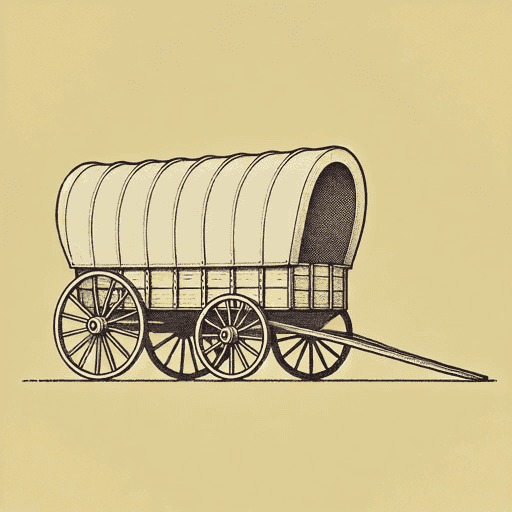
The crossing story is a genre of Californian tales that are at once historical accounts and mythical legends of the pioneers’ travels across the country to the West. This motif appears throughout the text to explain The Contradictions of Californian Identity, as the conventions of this genre expose the brutal individualism and lack of social responsibility hidden beneath the veneer of heroism. Didion identifies several standard elements in the crossing story.
First, she notices a strangely omniscient narrative perspective, one that allows the storyteller to add embellishments to the story. These embellishments are “recorded as gospel” (30) and taken as facts by descendants, which skews their understanding of their history. Second, crossing stories frame themselves as heroic quests and battles for survival against the elements. The landmarks along the crossing trail are so engrained in the California mythos that they take on legendary status, leading people to feel unworthy of seeing them without having gone through the same trials. Last, the stories center around the theme of “redemption” and rebirth, as if by passing through the wilderness and coming out the other end, the pioneers arrive to California cleansed and able to start a new, prosperous society.
Throughout the text, Didion recalls hearing these stories as a child and absorbing their lessons of perseverance and ambition. However, as she matured and started questioning Californian identity, she saw the dark underbelly that listeners of these tales refused to interrogate. Most glaringly, Didion identifies the necessity of these pioneers to cut themselves off completely from their past, from their emotions, and sometimes from their humanity in the name of their individual ambitions. She frequently uses the term “jettison” to describe the pioneers’ act of indiscriminately throwing out items, people, and feelings along the trail to California. Such a lack of sentimentality or duty towards others persists in the Californian identity, and Didion traces these tendencies back to the hidden lessons of the crossing story.
Heirlooms
Heirlooms—items passed down from one generation to the next—are a key symbol in the text. In the Californian psyche, they speak of the resilience of one’s ancestors. This symbol connects to The Romanticization of History and the Land. In the text, items from the crossing are imbued with particular significance, almost to the degree of becoming religious relics. Didion’s four-times-great-grandmother’s potato masher was put on display at a museum of pioneers, and her cousin formally invited “all Geiger and Cornwall heirs” (5) to travel to see it, like a pilgrimage, to absorb their heritage. Rather than being practically useful, heirlooms are first and foremost symbolic, prompting the viewer to reminisce on the stories attached to them.
For example, Didion owns a quilt from one of her female ancestor’s crossings, and the intricate stitchwork recalls the woman’s need to occupy herself along this trip lest her grief for her dead children overwhelm her. These items serve as reminders of the hardships people in the past went through to build the society modern-day descendants get to enjoy, and thus act as instructions to carry on their dreams and ambitions. Though Didion admits she no longer subscribes to such romantic ties to distant history, she continues to keep these items and passes their stories along to the children in her life.
New People
The motif of “new people” connects to the theme of The Contradictions of Californian Identity, helping to explain Californian xenophobia and the tendency for Californians to blame others for their self-inflicted woes. “New people” are typically those arrived to the state after World War II, but this is a flexible term, usually employed by a speaker to describe anyone who arrived after themselves. Aside from being migrants, new people are those who supposedly “remained ignorant of [California’s] special history, insensible to the hardships endured to make it, blind not only to the dangers the place still presented but to the shared responsibilities its continued habitation demanded” (95). Citizens blame “new people” for crowding the state and leading to a degradation of morals, economy, and social awareness.
Didion finds that these “new people” are often scapegoats for Californians’ unwillingness to interrogate their own place in the state’s economic decline. For example, in the Lakewood case study, residents blame the growing number of immigrants from Mexico and the southern states for the stressed job market and their male youths’ idle criminal behavior. In such beliefs, Didion identifies a willful ignorance of the true cause of economic decline, namely the city’s near-exclusive dependence on the Douglas plant.

Unlock the meaning behind every key symbol & motif
See how recurring imagery, objects, and ideas shape the narrative.
- Explore how the author builds meaning through symbolism
- Understand what symbols & motifs represent in the text
- Connect recurring ideas to themes, characters, and events