A Fire Upon the Deep
A modern alternative to SparkNotes and CliffsNotes, SuperSummary offers high-quality Study Guides with detailed chapter summaries and analysis of major themes, characters, and more.
Summaries & Analyses
Quizzes
NEWReading Tools
Book Club Questions
Content Warning: This section of the guide contains discussion of graphic violence and illness or death.
General Impressions
Gather initial thoughts and broad opinions about the book.
1. The novel throws you into a universe with complex rules, like the Zones of Thought, and multiple sprawling storylines. What was your initial experience reading it? Did you find the world-building immersive, or was it challenging to keep track of everything at first?
2. Vernor Vinge is famous for his high-concept science fiction. How does A Fire Upon the Deep compare to other space operas you’ve read, like Frank Herbert’s Dune (1965) or Iain M. Banks’s Culture novels? If you’ve read Vinge’s prequel, A Deepness in the Sky (1999), how did this novel meet or change your expectations of the Zones of Thought universe?
3. What was the most striking or memorable aspect of the novel for you? Was it the godlike Powers in the Transcend, the medieval drama on Tines World, or the thrilling chase through space?
Personal Reflection and Connection
Encourage readers to connect the book’s themes and characters with their personal experiences.
1. The Tines experience identity as a collective, where the self is formed by a group of individuals thinking in concert. Can you think of any human groups, like families or close-knit teams, where a collective identity feels almost as strong as an individual one? What does the novel suggest about the value or danger of such a deep connection?
2. When Pham discovers that the Skroderiders could be sleeper agents for the Blight, Ravna refuses to broadcast a galactic warning, fearing it would cause a genocide. What would you have done in her position? Where do you draw the line between protecting the many and protecting the innocent few?
3. The novel’s “Known Net” is described as a “Net of a Million Lies,” mirroring the chaos and misinformation of the early internet. How did this portrayal resonate with your own experiences online today? Do you see parallels in how rumors or propaganda spread across our modern networks?
4. The possibility that his entire life story is a fabrication troubles Pham Nuwen deeply. Have you ever felt that your identity was heavily shaped by external forces or expectations, rather than your own choices? What did you find most compelling about his journey to reclaim his sense of self?
5. The crew of the Out of Band II forms a found family under extreme pressure. Which relationship in this group did you find the most engaging or believable, and why?
6. Ravna’s decision to send technological instructions to the Tines is meant to save Jefri, but it also accelerates their capacity for warfare. What are your thoughts on this kind of intervention? Is it ever justifiable to interfere with a society’s natural development, even with good intentions?
Societal and Cultural Context
Examine the book’s relevance to societal issues, historical events, or cultural themes.
1. Author Vernor Vinge popularized the concept of the “technological singularity,” which he maps onto the galaxy as the Zones of Thought. Given the rapid advancements in AI today, does his vision of post-human, incomprehensible intelligences feel more prophetic or more like speculation? What warnings does the novel offer about our own technological trajectory?
2. In what ways does the Blight, an ancient evil awakened by technology, function as a metaphor for modern digital threats, like state-sponsored cyberattacks or viral misinformation campaigns? Does the novel’s portrayal of a galaxy-spanning network catastrophe, reflecting early internet anxieties, still feel relevant?
3. The story involves multiple instances of powerful civilizations interacting with less advanced ones, from the Straumers at the archive to Ravna’s intervention on Tines World. What commentary does the book seem to offer on the ethics of exploration and intervention? How do the different outcomes reflect on the motivations of the characters involved?
Literary Analysis
Dive into the book’s structure, characters, themes, and symbolism.
1. The Zones of Thought are more than just a setting; they’re a core mechanic that dictates the plot and character capabilities. In what ways does Vinge use this framework to build tension and explore the theme that intelligence is a function of environment? Did you find this a compelling way to structure a universe?
2. Pham Nuwen’s identity is presented as a complex layering of a real past, fabricated memories, and the “godshatter” from Old One. How do these conflicting elements shape his actions and his ultimate sacrifice? What does his final realization that his memories were real suggest about the nature of the self?
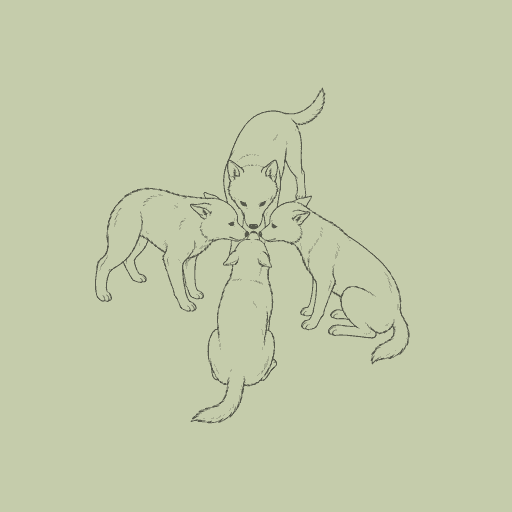
3. The pack-mind consciousness of the Tines challenges our basic assumptions about what it means to be an individual. How does the novel use characters like Peregrine, Steel, and Flenser to explore the different potentials of this collective intelligence, from resilience and creativity to tyranny and psychic warfare?
4. What is the effect of the novel’s dual narrative structure, shifting between the high-tech space opera of the rescue mission and the medieval political drama on Tines World? How do the two plotlines comment on and enrich each other as the story progresses?
5. The guide notes that the Zones of Thought concept builds on Poul Anderson’s Brain Wave (1953). How does Vinge’s choice to tie intelligence to physical location, rather than a universal change over time, shape the novel’s conflicts and themes? What does it say about the relationship between mind and environment?
6. What is the significance of the Skroderiders’ skrodes? How does the revelation that these ancient devices are potential tools for the Blight complicate the theme of technological progress being a double-edged sword?
Creative Engagement
Encourage imaginative and creative connections to the book.
1. Imagine you’re tasked with designing a communication system for a species with a pack-mind like the Tines. What features would you include to support their collective consciousness, and what safeguards would you build in to prevent the kind of psychic hijacking Flenser attempts with the radio cloaks?
2. If you crash-landed on Tines World like the Olsndots, would you rather end up with the intellectual but decaying society of Woodcarver or the ruthlessly efficient but tyrannical regime of Lord Steel? Explain your reasoning and what role you think you could play in either society.
3. The novel ends with Tines World trapped deep in the Slow Zone, isolated from the rest of the galaxy. If you were Ravna, what would be your first priorities in building a new, blended human-Tine society? What aspects of human technology and culture would be most valuable to preserve and teach in a world where advanced AI and faster-than-light travel are impossible?

Get in-depth, chapter-by-chapter summaries and analysis from our literary experts.
- Grasp challenging concepts with clear, comprehensive explanations
- Revisit key plot points and ideas without rereading the book
- Share impressive insights in classes and book clubs