American Fantasy
A modern alternative to SparkNotes and CliffsNotes, SuperSummary offers high-quality Study Guides with detailed chapter summaries and analysis of major themes, characters, and more.
Summaries & Analyses
Quizzes
NEWReading Tools
Symbols & Motifs
Content Warning: This section of the guide includes discussion of mental illness and sexual content.
The American Fantasy Cruise Ship
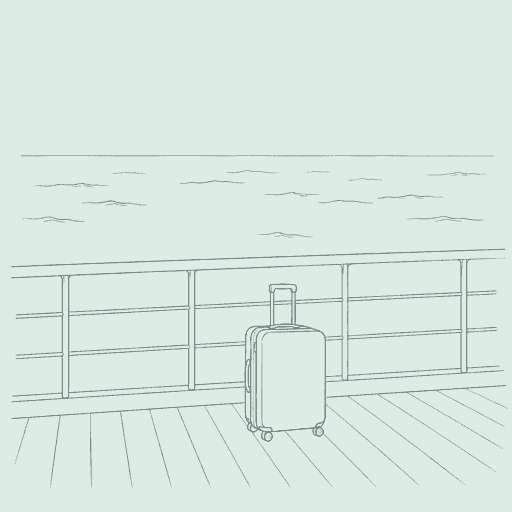
The American Fantasy cruise ship is the novel’s central symbol, representing a self-contained, paradoxical world where reality is suspended. For the fans, the ship functions as a sanctuary, a physical space that offers the possibility of a female community. Onboard, surrounded by likeminded women, they can indulge in nostalgic joy without fear of judgment. The ship becomes a “zone free of embarrassment and shame” (67), a temporary utopia where their identities as fans are celebrated rather than dismissed by wider society. This floating haven compels the characters to regress into an idealized adolescence, offering an escape from the constraints of their daily lives as mothers, wives, and employees without immediate consequences. For example, when Annie has oral sex with Greg, she feels excited and free of guilt.
For the band members, however, this same vessel symbolizes a gilded cage. Trapped in the middle of the ocean, they have no escape from the relentless adoration and expectations of their fans. As Keith reflects, “Cruises cut out the travel, but they also cut out the escape. They were in the middle of the ocean with thousands of people who knew every word they’d ever sung” (15). This sentiment presents the ship not as a site of freedom but as a prison that forces them to endlessly confront their past personas. The ship’s name thus encapsulates the novel’s core tension, representing a manufactured fantasy that is simultaneously a source of communal connection for its consumers and a site of professional confinement for its creators.
Public Versus Private Personas
The constant juxtaposition of public versus private personas is a recurring motif that serves as the novel’s primary engine for thematic and psychological exploration. This pattern extends beyond the band to nearly every character, illustrating the emotional labor required to maintain a performance in a high-pressure environment. For instance, the event producer, Sarah, consciously adopts “Cruise Sarah (efficient, problem-solving, cheerful)” as a professional shield to manage her responsibilities while masking her personal heartbreak (8). This act of creating a separate, functional identity highlights the universal need to compartmentalize to survive.
For the members of Boy Talk, this duality is also significant and damaging. Their public personas are calcified versions of their teenage selves, an image that the fans pay to see and that the band is professionally obligated to perform. This creates an unbridgeable gap between their adult realities and their public-facing roles. Keith acutely feels this division, lamenting that to the fans, he’s merely a “three-dimensional cardboard cutout” rather than a complex person grappling with anxiety and a failing marriage (107). This feeling of being an objectified version of his past self reveals the deep psychological cost of their fame. The motif deconstructs the celebrity fantasy, arguing that the public image that provides an escape for fans becomes an inescapable prison for the performers.
Costumes and Themed Nights
The motif of costumes and themed nights visually represents the novel’s exploration of nostalgia as both a joyful escape and a performative burden. For the fans, the act of dressing up for Disco Night, MTV Night, or Prom Night is a key ritual of their community. It allows for a deliberate and celebrated regression to adolescence, a physical embodiment of the carefree joy they associate with the band’s music. Annie observes the lido deck crowded with women in elaborate outfits, transforming the ship into a kind of adult sleepaway camp. This shared cosplay strengthens their communal bonds and creates a space where they can collectively shed the responsibilities of their adult lives and identities. For the band, however, the costumes are simply another work uniform. Their participation is not a spontaneous act of joy but a professional obligation to perform their younger selves. When they appear dressed as Tom Cruise in Risky Business, wearing “tighty-whities, button-down shirts, sunglasses, socks” (187), they’re not reliving their youth but fulfilling a contractual demand for a specific brand of nostalgia, just as the women are strongly encouraged to wear lingerie and perform a narrow version of sexuality and femininity to vie for the male bandmates’ attention. This contrast highlights the central theme of nostalgia’s duality; the very same performance that liberates the fans serves to further imprison the artists, underscoring the emotional labor inherent in selling a fantasy of the past.

Unlock the meaning behind every key symbol & motif
See how recurring imagery, objects, and ideas shape the narrative.
- Explore how the author builds meaning through symbolism
- Understand what symbols & motifs represent in the text
- Connect recurring ideas to themes, characters, and events
Related Titles
By Emma Straub