Be a Perfect Person in Just Three Days!
Be a Perfect Person in Just Three Days!
A modern alternative to SparkNotes and CliffsNotes, SuperSummary offers high-quality Study Guides with detailed chapter summaries and analysis of major themes, characters, and more.
Summaries & Analyses
Quizzes
NEWReading Tools
Chapters 3-4Chapter Summaries & Analyses
Chapters 3 Summary
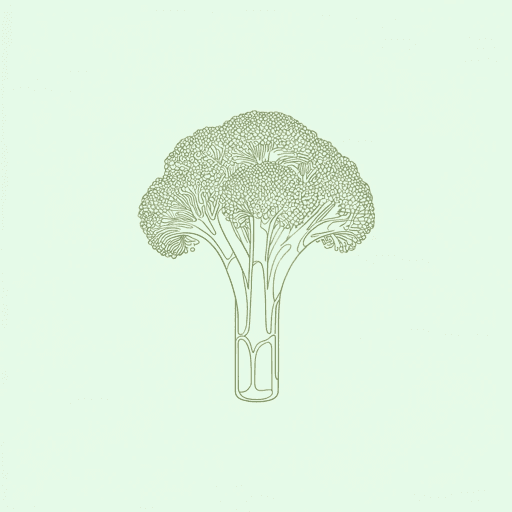
The following morning, Milo fights with his sister, and his parents yell at him to turn his music down. Milo hangs the broccoli around his neck. It dangles upside down and looks ridiculous, but he knows he must follow Dr. Silverfish’s directions. When Milo sits at the breakfast table, his sister laughs at him, and his parents look confused. Milo quickly comes up with an explanation: He says that he is playing “broccoli” in the school play about nutrition.
Milo has an embarrassing day at school. Everyone points, stares, and asks why he is wearing broccoli. Milo tells them he has a rare disease, and the only cure is to wear broccoli around your neck for a day. George, the class bully, doesn’t leave Milo alone and tries to grab the broccoli while another classmate, Janet, tells Milo that it’s “the stupidest thing” (25) that she has ever seen. Usually Milo backs down, but today he defends himself; George eventually gives up, surprised at Milo’s confidence. Milo tells them, “‘Look, nobody’s making you wear anything […] If I have to wear this, it’s my business. If you don’t like it, leave me alone’” (26). Milo’s day gets worse as the broccoli starts to smell bad, but he makes it through the day without removing it, which makes him feel proud. After school, Milo is perfectly behaved at the dinner table, ignoring his sister’s sassy remarks, politely asking for dishes, and saying “thank you,” much to the surprise of his parents.
Chapters 4 Summary
Milo rushes to his room after dinner, eager to read the next chapter of Dr. Silverfish’s book. Chapter three opens with Dr. Silverfish questioning why Milo is wearing a piece of broccoli, writing, “‘Why, that’s the stupidest thing I’ve ever seen!” (28). He then congratulates the reader on conquering his fear and facing humiliation with such courage, since conquering fear is the first step towards perfection. Dr. Silverfish explains the next step: no eating or drinking for 24 hours, except for weak tea. Since it is nearly seven o’clock, Milo realizes that he will have to miss his bedtime snack and he already feels “hungry and miserable” (30). Miklo watches television, but all the advertisements are for food. He tries reading, but all his books involve eating. When he finally sleeps, Milo dreams of delicious food. Milo is famished in the morning, but he calmly tells his worried parents that he simply isn’t hungry. He drinks three glasses of water and resists the tempting breakfast on the table.
Some kids call him “Broccolihead” at school, but Milo is not bothered. At lunch, Milo gives his sandwich away and drinks more water. His stomach gurgles, and he feels weak by the time he gets home. Dinner is take-out from his favorite won ton restaurant, but Milo stays in his room and calls down that he’s not hungry. Milo’s father storms into his room, demanding to know what “all this foolishness” is about (36). As Milo is explaining that he doesn’t feel well, Mr. Crinkley spots Dr. Silverfish’s book on Milo’s desk. Mr. Crinkley thumbs through the book and laughs, suddenly understanding Milo’s strange behavior. He asks Milo why he didn’t just tell them, so Milo explains that he was worried they would laugh at him. Milo’s father promises not to tell the rest of the family and wishes Milo good luck, saying, “‘It might be nice to have one perfect person in the family’” (38). Finally, it is 6:53 pm. Milo rushes downstairs ready to eat won tons, but there are none left—information his sister enjoys sharing with him. Undaunted, Milo happily makes himself a delicious mixture of desserts and unusual sandwiches.
Chapters 3-4 Analysis
Milo’s determination is exemplified by his persistence in following Dr. Silverfish’s directions, even while being ridiculed by his sister and peers at school. Milo must come up with a believable explanation for wearing broccoli around his neck, and his quick thinking is shown both at home by inventing a school play about nutrition and at school by saying he has a disease that only broccoli can cure. However, Milo’s newfound courage and maturity are more impressive than his storytelling. Surviving a day of humiliation at school teaches Milo that he can overcome seemingly insurmountable obstacles, which touches on the theme of Societal Pressures and Expectations. Wearing broccoli does not conform to society’s expectations, though this is an exaggerated take on subverting expectations. rather than accepting and embracing individuality, Milo’s peers demand an explanation—a common reaction when someone goes against the norm. Initially Milo comes up with “good” reasons for wearing broccoli, but the bravest moment is when he stands up to the bully George. Without inventing a backstory, Milo confidently tells George to mind his own business, shutting down the discussion. Conquering fear is the first step of Dr. Silverfish’s journey towards perfection, but really it is the first step toward self-acceptance and learning to embrace imperfection. Milo admits to his father that he didn’t tell his family about Silverfish’s book for fear of being laughed at, though, which his father did, showing that he still worries about being mocked by those he loves.
Manes emphasizes The Role of Humor in Addressing Serious Themes in these chapters, using absurdist scenarios and Dr. Silverfish’s lighthearted tone to move the plot forward and highlight character traits. For example, Elissa’s sass is shown when she comments on Milo’s broccoli necklace: “Lots of people walk around with stalks of broccoli hanging from their necks. That’s how you can tell the morons from the rest of us” (22). This sense of humor would be common among siblings, but it helps show why Milo would feel insecure around his family without making their dynamic too serious. This aligns with broader elements of the text. For example, when people subvert societal expectations and are made to feel self-conscious, this usually doesn’t occur by wearing vegetables around the neck. This absurdist approach—meaning it is intentionally bizarre or ridiculous—helps represent Milo’s struggle to fit in through a funnier, more approachable scenario. Even Milo’s dream in Chapter 2 is silly and dramatized, wherein he laughs at others from atop a giant broccoli, but it helps show how Milo struggles with feeling less “perfect” than those around them and seeks an opportunity to feel the same sense of superiority he feels they have.

Get in-depth, chapter-by-chapter summaries and analysis from our literary experts.
- Grasp challenging concepts with clear, comprehensive explanations
- Revisit key plot points and ideas without rereading the book
- Share impressive insights in classes and book clubs