Call of the Camino
A modern alternative to SparkNotes and CliffsNotes, SuperSummary offers high-quality Study Guides with detailed chapter summaries and analysis of major themes, characters, and more.
Summaries & Analyses
Quizzes
NEWReading Tools
Symbols & Motifs
Content Warning: This section of the guide includes discussion of death.
The Scallop Shell
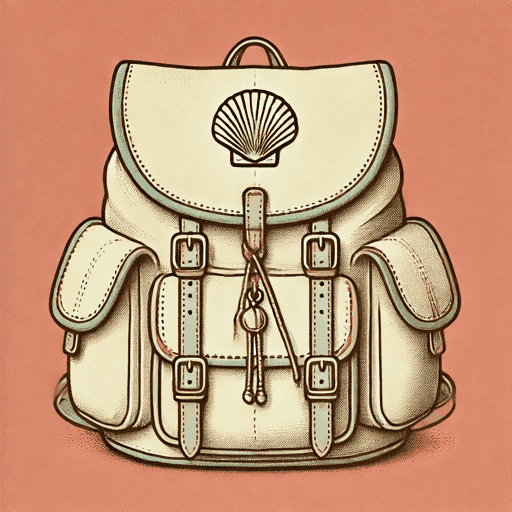
The scallop shell is the primary symbol of the Camino de Santiago, representing the shared identity, sacred history, and protective spirit of the pilgrimage. Functioning as both a trail marker and an emblem worn by travelers, the shell visually unifies a disparate group of individuals into a cohesive community. When Reina begins her trek, she sees pilgrims with “bright scallop shells swinging jauntily from their packs” (40), a constant visual reminder that despite their different origins and motives, they are all part of the same collective journey. This emblem is central to the theme of The Intimacy of Shared Struggle, as it encourages travelers to ignore social status or occupation and instead see each other as fellow pilgrims. In this way, it fosters an environment where strangers can form deep, supportive bonds.
The symbol’s importance is developed through its legendary origin story. When Jen recounts it, she concludes that a drowned groom and his horse miraculously rose from the sea “Covered in scallop shells!” (129). This association with miracles gives the shell an added sense of protection and purpose for those that walk the Camino, underscoring a tradition that has connected pilgrims for centuries. The shell, therefore, transforms a grueling physical trek into a sacred passage, connecting each pilgrim to a thousand-year tradition and to the vast community of souls, past and present, who have undertaken the same quest.
Heart Stones
The search for heart-shaped stones is a recurring motif that represents the culture of selfless kindness and shared fortune that defines the pilgrim community. Pilgrims often view these stones as signs of encouragement, luck, or protection, but their significant comes from the tradition of giving them away. Characters like Joe actively look for these stones to give away to someone in need, believing them to be signs of angelic protection. This tradition illustrates the theme of The Intimacy of Shared Struggle, demonstrating how the community is forged through these small acts of generosity.
When Joe finds a stone for Isabelle on their first day, he tells her, “Now you’ll be carrying more than just a water bottle” (75), giving her a tangible reminder that someone cares about her well-being. By giving the stone away, Joe reinforces the idea that good fortune is something to be shared rather than kept for oneself. This simple tradition becomes a defining feature of Camino culture, showing how meaningful relationships are often built through these small gestures. The heart stones capture the spirit of the trail, where kindness and generosity frequently matter more than material possessions.
The Cruz de Ferro
The Cruz de Ferro, or Iron Cross, is a key symbol of release and renewal. Marking the highest point of the Camino, it serves as a place where pilgrims leave behind stones or personal items that represent burdens they have carried with them throughout the journey. Over centuries, these stones have created an enormous mound that is a collective monument to human burdens, turning the site into a collective reminder of the struggles, regrets, and hopes brought to the trail by countless travelers. The ritual connects individual experiences to a larger tradition shared by generations of pilgrims.
The Cruz de Ferro embodies the theme Physical Endurance as a Path to Healing, as it represents the emotional climax of the grueling physical journey. Pilgrims reach the cross only after completing one of the Camino’s most demanding stretches, making the act of leaving an object especially meaningful. This is illustrated through Ned, who struggles with his weight and health. He carries a package of his favorite cookies, an embodiment of his old habits, to the cross and, before laying it on the mound, says, “Goodbye, dear friend” (201). This act is a declaration of his intent to release his past and embrace a new life. The cross serves as a symbolic turning point where characters have a tangible moment of renewal before beginning their descent, both literally and metaphorically, into the next chapter of their lives.
Pilgrim Passports
The pilgrim passport symbolizes commitment, progress, and the tangible legacy of the Camino journey. On a practical level, the passport is a logistical necessity, as its stamps are required to stay in the albergues and to receive the certificate of completion in Santiago. For Isabelle, obtaining a passport is essential for her survival on the run, linking the document to her very ability to continue her flight to safety. The passport therefore functions as both a practical tool and a symbol of her determination to keep moving forward.
For Reina, however, the passport takes on a different meaning. When she discovers her father’s booklet, she immediately perceives it as more than just a record of his travels. Upon seeing the colorful stamps from his journey, she thinks, “It’s like a treasure map” (33). In this way, the passport becomes a guide to understanding her father, her mother, and ultimately herself. It inspires her decision to follow in her father’s footsteps and uncover the truth about her family’s past. The passport serves as a reminder that while the Camino is a shared experience, each journey is shaped by a unique set of experiences, memories, and goals.

Unlock the meaning behind every key symbol & motif
See how recurring imagery, objects, and ideas shape the narrative.
- Explore how the author builds meaning through symbolism
- Understand what symbols & motifs represent in the text
- Connect recurring ideas to themes, characters, and events
Related Titles
By Suzanne Redfearn