Harvest Season
A modern alternative to SparkNotes and CliffsNotes, SuperSummary offers high-quality Study Guides with detailed chapter summaries and analysis of major themes, characters, and more.
Summaries & Analyses
Quizzes
NEWReading Tools
Symbols & Motifs
Content Warning: This section of the guide contains discussion of graphic violence, sexual content, and death.
The Chessboard
The chessboard in Harper’s cottage symbolizes her psyche, representing the strategic control she imposes on her life and the unresolved trauma she keeps carefully ordered. The game itself, a relic from her past with her deceased boyfriend Adam, is a space of contained memory. When Nolan first moves a black knight, Harper’s reaction is visceral, triggering a flashback to her life before captivity. She feels an urgent need to protect this part of her history from his influence, reflecting, “I feel like I can’t let Nolan touch this piece of my past, or the evil buried there could creep into the present and take him like it took Adam” (63). Her compulsion to polish the piece and return it to its starting position ritually reasserts control over a past that threatens to destabilize her present.
The chessboard externalizes the core conflict of The Cyclical Nature of Trauma, as Harper processes her fear and grief by playing a game over and over to reassert control over her past. Nolan’s innocent interaction is an intrusion, and Harper’s resetting of the board signifies her desperate attempt to keep her worlds, and her traumas, from colliding. However, Sheriff Yates breaking into her house to move and later steal one of the pieces demonstrates his manipulation of her trauma and control over her life, as he seeks to pit her against Nolan and ultimately turn her into a more prolific, coldhearted killer like him. Through this, the chessboard comes to represent Harper’s agency, which dwindles as Yates’s plan is enacted.
Gardening and Topiaries
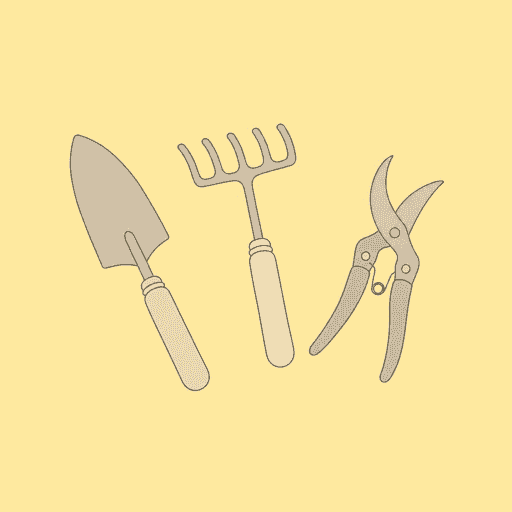
The recurring motif of gardening and topiaries illustrates the central theme of concealing death beneath a facade of life and imposing order on chaos. For Harper and Arthur, the garden is more than a source of beauty; it’s a practical tool for their vigilante justice, a place where murder literally feeds new life. After disposing of a victim, Harper notes, “It took a couple of hours to bury it all and plant a new row of dahlias above the mulched remains. At least my flowers will be doing great this year, I guess” (26). This darkly comic observation reveals how intertwined violence and nurturing have become in her worldview, a grim necessity that supports her role as a secret protector of Cape Carnage.
Furthermore, the subplot involving the topiaries evolves the motif. Harper’s failure to create a majestic moose symbolizes her losing control over events, but Nolan’s secret correction of her work becomes a romantic gesture that demonstrates how he can positively enmesh himself within her life. By expertly crafting the topiaries she could not, he demonstrates his ability to understand her world and bring beauty to her violent, chaotic life. The scene wherein Sheriff Yates steals the bone of one of her victims and plants it in the garden, hoping to frame Nolan and risk incriminating Arthur, acts as an intrusion upon her meticulously kept façade, manipulating her and taking control of the lifestyle she’s carefully built in Cape Carnage.
Morpheus the Raven
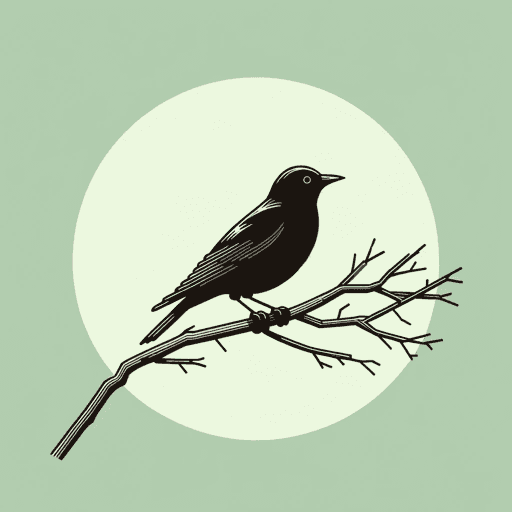
Morpheus the Raven embodies both the novel’s macabre humor and the inescapable nature of Harper’s violent past. As a pet who eats “human meat snacks” and mimics the word “murder” (vii), Morpheus is a living manifestation of the dark, predatory side of Harper that she both nurtures and attempts to control. He is a constant, almost casual, reminder of the violence that underpins her seemingly quiet life. Throughout the story, his appearances act as a dark omen, with his uncanny ability to speak unsettling truths adding to the narrative tension.
However, his most significant role comes during the novel’s climax. Just as Nolan proposes, Morpheus speaks Harper’s former name, but in the voice of a man, not her own: “The raven says a single word. ‘Autumn’” (339). This moment, secretly orchestrated by Sheriff Yates, serves as the irrefutable “proof” that convinces Harper of Nolan’s betrayal. Like the chessboard and garden, Morpheus is meant to be a bolstering element in Harper’s life. Through this, though, Yates again manipulates these structures of her lifestyle in Cape Carnage into tools designed to alienate her. This powerlessness reinforces her instinctual fear of connection and a loss of agency, thus playing a key role in The Cyclical Nature of Trauma.

Unlock the meaning behind every key symbol & motif
See how recurring imagery, objects, and ideas shape the narrative.
- Explore how the author builds meaning through symbolism
- Understand what symbols & motifs represent in the text
- Connect recurring ideas to themes, characters, and events
Related Titles
By Brynne Weaver