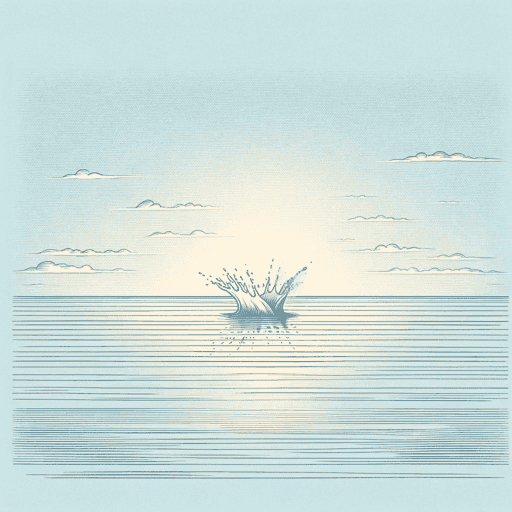
Landscape with the Fall of Icarus
Landscape with the Fall of Icarus
A modern alternative to SparkNotes and CliffsNotes, SuperSummary offers high-quality Study Guides with detailed chapter summaries and analysis of major themes, characters, and more.
Character List
Meet the key characters, with insights into their roles, motivations, and relationships—spoiler-free.
Major Characters
Icarus is a mythological youth who escapes imprisonment on the island of Crete using artificial wings crafted from feathers and wax. He flies too close to the sun, causing the wax to melt and sending him plunging into the sea. Within the poem's setting, his famous tragedy shrinks to a transient, unnoticed splash off the coast. He represents the folly of human pride and the relative smallness of individual disasters against the broader backdrop of nature.
The farmer is an everyday laborer working the soil as the tragedy of Icarus unfolds just offshore. Completely absorbed in his agricultural tasks, he works in harmony with the cyclical renewal of the spring season. He embodies the practical reality of human existence and the tendency of ordinary life to continue uninterrupted by nearby grand narratives.
The sun acts as a powerful, indifferent, and personified force of nature presiding over the coastal setting. It warms the spring environment and sustains the farmer's crops, but it also mercilessly destroys the artificial wings of Icarus. It stands as an unrelenting arbiter of the natural order, demonstrating that nature does not discriminate between everyday human labor and mythical ambition.
Destructive natural force against Icarus
Natural force presiding over The Farmer
Supporting Characters
Daedalus is a brilliant inventor and the father of Icarus, imprisoned alongside his son in the Labyrinth on the island of Crete. He engineers a means of escape by gluing bird feathers together with wax. He serves as a voice of caution, warning his son about the dangers of flying too high.
Father of Icarus