Our Perfect Storm
Our Perfect Storm
A modern alternative to SparkNotes and CliffsNotes, SuperSummary offers high-quality Study Guides with detailed chapter summaries and analysis of major themes, characters, and more.
Summaries & Analyses
Author Insights
Quizzes
NEWReading Tools
Part 4-AfterwordChapter Summaries & Analyses
Content Warning: This section of the guide includes discussion of animal death and sexual content.
Part 4: “The Woods”
Part 4, Chapter 48 Summary
The morning after returning from Tofino, Frankie wakes in her childhood bedroom. Her father had picked her up from the airport the previous night; her mother greeted her at the door, and Frankie cried in her embrace before going to bed. As she fell asleep, Rebecca recited the familiar bedtime story about a girl and a whale, both named Francesca.
Frankie reflects that her week with George already feels distant. She remembers their silent airport drive and emotional goodbye, during which George repeatedly told her he loved her.
Darwin knocks on her door. Frankie is angry, considering him and Moby traitors. They witnessed George’s confession to Nate and never told her. Darwin hugs her and reveals that George texted him about what happened. He apologizes for how she learned the truth but insists that marrying Nate would’ve been a mistake. Frankie agrees but feels hurt that George lied to her. Darwin defends George, noting that he and Moby have known about George’s feelings for years. George was waiting for the right moment to tell her, and when she got engaged, he felt trapped.
Frankie accuses Darwin of letting her believe that Nate left because of something she did. Darwin clarifies that Nate realized Frankie was never herself with him and could see that she and George belonged together. He shares that their mother’s departure affected all of them. Frankie admits that she fears abandonment and hurting people she loves. Darwin reassures her that she has always protected George and clearly loves him. Frankie says she’s a mess and that her friendship with George is too important to risk. Darwin notes that George used to say the same thing.
Frankie calls Aurora and admits that while she’s angry with Nate, he did her a favor by leaving. She recounts everything that happened in Tofino, complaining that George kept his feelings secret for years. Aurora defends George, suggesting that he let Frankie lead and that she should consider his perspective, given his history with his parents.
Frankie goes downstairs and finds her mother pulling chocolate-chip cookies out of the oven. They work together making a lemon loaf. Needing a distraction, Frankie asks her mother to tell her about whales. On the porch, Rebecca describes her lifelong fascination with whales, beginning the first time she saw a humpback in the Bay of Fundy as a child. She explains how severe pregnancy illness forced her to abandon a field internship with the New England Aquarium. She loved being a mother but grew despondent over her lost career, so she and Frankie’s father agreed that she should pursue it. She tearfully admits that she left while the children slept because it was the only way she could make herself go. Frankie confesses that she hated her for leaving. Her mother explains that she came back after watching a rescue crew try to free an entangled whale. She realized that she had chosen her bonds with her family.
Frankie asks about Francesca, the whale for whom she was named. Rebecca reveals that Francesca died recently from a vessel strike. Before she was killed, she had been spotted with a newborn calf that was too young to survive without her. Frankie and her mother cry together.
Part 4, Chapter 49 Summary
Alone in her bedroom that night, Frankie says goodbye to Francesca the whale by reciting the bedtime story her mother used to tell her about a girl and whale, both named Francesca, who had adventures together in the Bay of Fundy. She finishes by whispering goodnight to Francesca.
Part 4, Chapter 50 Summary
George texts Frankie from Mexico, promising to give her space but assuring her that he’s coming home to her. Over the following weeks, Frankie throws herself into cooking with new creative freedom, developing ideas for a cookbook inspired by the different regions of Canada. She invites Mimi for dinner, and Mimi tells her that nobody, not even George, is perfect. Frankie realizes that she had stopped seeing George as a three-dimensional person.
Aurora arranges virtual therapy for Frankie with a therapist named Lydia. During her first session, Frankie discusses her relationship with her mother. The session is cathartic, and she books another.
During a family picnic, Frankie misses George intensely. She types a message saying she misses him but leaves it unsent. Later, Frankie asks Mimi how she met her husband. Mimi recounts her life as a ballerina, meeting Edward backstage after a performance, their courtship through letters, and his proposal after a career-ending injury.
That night, Frankie feels a strong desire for adventure and begins planning a trip to Eastern Canada. At a yard sale, she buys a vintage plate that inspires the aesthetic for her imagined cookbook. She texts Brie about wanting a creative jolt and potentially writing a cookbook someday. Brie is supportive and suggests that they discuss ways to keep Frankie newly inspired at work.
The next evening, Frankie asks her mother when she knew she was in love with her father. Rebecca describes it as a slow accumulation over years, like a bucket filling with rain, drop by drop, until it overflowed. Frankie asks her mother to come to the East Coast with her to see the whales, and she agrees.
That night, Frankie texts George asking to hear his story. He asks her which story she wants to hear, and she replies, “The one where you fall in love with your best friend” (373). George says that one’s his favorite and asks for a few days to write it down.
Part 4, Chapter 51 Summary
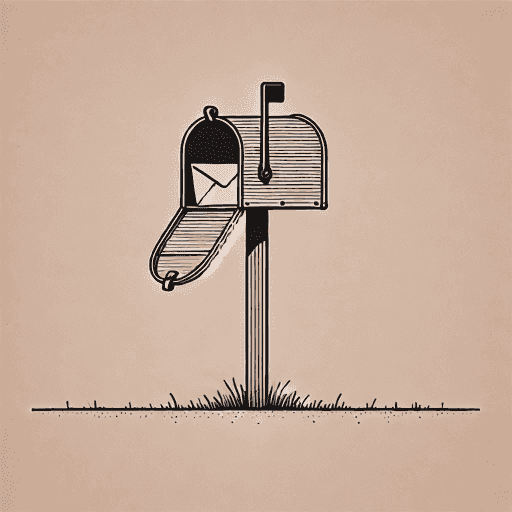
Thirty days after last seeing George, Frankie wakes before sunrise feeling drawn to the mailbox in the cedar hedge. Inside, she finds pages from a notebook and realizes that George is home.
She reads what George has written: a fairytale-style story about a boy named George who first saw a brave girl climbing a tree when he was seven, a year before they officially met. The story recounts their first meeting from his perspective and describes how he fell deeply in love with Frankie over the years, always waiting for her to be ready. It concludes with his vow to always love her, even if only as her best friend.
Frankie feels emotionally overwhelmed and gives herself over to the feeling of love. Her father finds her on the floor and tells her that he supports whatever she decides, but he won’t let anyone pressure her. Frankie tells him that she doesn’t want to walk away. Later that night, she tells her mother that she might have fallen in love with George and explains how her perspective changed in Tofino.
Frankie leaves a note in the mailbox asking if there’s more to the story. Over the next five days, George leaves a series of unsent letters he’s written to her from childhood to the present. At age 12, he wrote that he thought she was the coolest and prettiest girl he knew. At age 13, he admitted that he liked her. At age 15, he wrote that he tried dating other girls but always compared them to her. At age 16, he wrote about his frustration after she asked him to have sex and the way it hurt his feelings that she just wanted to get it over with. At age 18, he wrote that he was in love with her. Frankie reads and rereads the letters, which give her a new perspective on their shared history.
She goes to the mailbox with a note requesting the rest of the letters he’s written. Instead, she finds George waiting on the other side of the hedge, holding a carved mahogany chest. He explains that it was his mother’s and contains all his letters and notes to and from her. As he starts to leave to give her space, she stops him, saying she doesn’t want to read them alone. He invites her inside the Big House, and after a moment of playful hesitation, she agrees.
Part 4, Chapter 52 Summary
Mimi greets them at the door, saying she told George years ago to give Frankie the letters, but he insisted on waiting for the perfect moment. In the library, Frankie opens the secret cupboard that they played in as children and is struck by how small it seems now. They reminisce about their childhood games and pledge to treasure their shared past while acknowledging they can’t go back.
George apologizes for not telling Frankie the truth about why Nate left. Frankie tells him that she was hurt and scared but understands now. She admits that she was too stubborn to see what he could mean to her, always pushing away any romantic thoughts about him. She confesses that she’s in love with him.
George kisses her and tells her that his love for her is fundamental to who he is. They kiss passionately on the sofa and undress each other. George playfully suggests that they move to the cupboard. They squeeze into the tiny space and have sex. As they do, Frankie envisions their future together: endless possibilities and adventures, with George as her one constant.
Part 4, Chapter 53 Summary
Afterward, on the couch, they open the mahogany chest together and find it filled with letters, postcards, and keepsakes from their friendship, including notes that Frankie wrote to George over the years. Among them is the note she left in the mailbox in June, saying she sees him everywhere and misses him. Frankie wishes that she had known sooner that she could fall in love with him so easily. She mindlessly cleans his glasses, and he tells her he loves it when she does that because it’s a small way she takes care of him.
Frankie reads more of George’s unsent letters from his travels, filled with declarations of his love. Overwhelmed, she kisses him again. George playfully declares that he loves her more and says it’s definitive. He reassures her that she’s never too much for him. They exchange promises to love each other always, calling it their best promise yet.
Part 5, Epilogue Summary: “We Are Thirty-One”
One year later, Frankie and George watch a right whale breach in the Bay of Fundy. They have spent the year traveling across Canada together—George writing a series on the right-whale migration and Frankie researching for her cookbook. Frankie has been promoted to director of food content at Brie’s company after proposing a more soulful vision that’s less focused on app algorithms and web traffic. Her mother will arrive in a few days to join them.
Frankie recalls the spring when George proposed at the gap in the cedar hedge. A few days later, they married under the apple tree, surrounded by family. Now, wherever they travel feels like home because they’re together. The sight of the whale returning to its kingdom in the sea prompts Frankie to turn and hug George, feeling like she’s returned to hers.
Part 5, Afterword Summary: “Right Whale Number 1950”
The author provides an appendix that summarizes her research for the novel. The North Atlantic right whale remains critically endangered, with fewer than 370 remaining and fewer than 70 reproductive females. Catalog #1950, whom the author called Francesca, was found dead off the Virginia coast on March 30, 2024, from a vessel strike. She was approximately 35 years old and had been spotted six weeks earlier with her first calf in nine years. The calf likely died without its mother. Throughout her life, #1950 was frequently seen in the Bay of Fundy during the 1990s, survived three fishing-gear entanglements, and gave birth to six calves, five of whom are still alive. Fortune directs readers to the New England Aquarium and Canadian Whale Institute for more information and donation opportunities.
Part 4-Afterword Analysis
George and Frankie’s time apart following their trip to Tofino allows Frankie the space to examine and resolve the past traumas that make her fearful of a romantic future with George. Back home with her parents, Frankie finally asks her mother to explain her connection to whales and the circumstances of her departure when Frankie was a child. Frankie’s subsequent solitary recitation of Rebecca’s childhood bedtime story about “a girl named Francesca and a whale named Francesca” signals a release of her lifelong bitterness and the restoration of her relationship with her mother (363). Extending empathy to Rebecca enables Frankie to stop viewing the whales as rivals for her mother’s affection and begin to see them as a subject on which they can connect.
Frankie’s conversation with her brother helps her move past her feelings of betrayal and recognize the ways that George has always seen, known, and loved her just as she is, resolving the novel’s thematic interest in Breakups as Catalysts for Self-Discovery. Darwin tells Frankie, “Nate left because he realized you’d never been yourself with him. He saw what you were too obstinate to admit […] That you and George are meant to be together” (352). Darwin helps Frankie connect the dots between her fears of abandonment and her fear of losing George. This revelation frees Frankie to truly embrace her authentic self. While she waits for George to return, she throws herself into unstructured, passionate cooking using local ingredients, eventually conceptualizing a cookbook framed as an “edible passport” through Canada—an independent professional vision that prioritizes personal meaning over external validation. This creative reawakening underscores the narrative’s position that the dissolution of her engagement was a necessary dismantling of a compromised existence, providing the necessary clarity required for Frankie to eventually embrace a deeper, more demanding, more fulfilling partnership with George.
In the novel’s final chapters, the symbol of the cedar-hedge mailbox links George and Frankie’s childhood friendship to their adult romance, reaffirming Lifelong Friendship as a Foundation for Identity. The slow delivery of George’s unsent letters provides an alternate history for their relationship, framing it as always moving inevitably toward their romance. In these pages, he traces his devotion from childhood, admitting, “No matter how hard he tried to get rid of [his attraction to Frankie], it would come right back stronger. Until, one day, he could no longer deny that he was in love with her, and maybe he had been all along. This love was wild and obliterating” (376). By communicating his feelings in letter form first, George allows Frankie the space to process their new reality in her own way. This archive of letters functions as the ultimate proof of their enduring connection, allowing the characters to fully transition from long-standing friendship to romance without shattering their mutual trust.
The library cupboard in George’s childhood home serves a similar function to the mailbox, reinforcing George and Frankie’s romance as an organic progression from their friendship, rooted in their shared history. After Frankie reads the letters, she and George consummate their relationship inside the tiny secret cupboard where they originally cemented their bond as children, ensuring that their new dynamic builds upon, rather than erases, their past. Squeezing into the claustrophobic space forces them to acknowledge how they have physically and emotionally outgrown their childhood roles while remaining anchored to the same fundamental bond. The Epilogue’s setting shifts to the open, dramatic expanse of the Bay of Fundy, which contrasts sharply with this enclosed cupboard, illustrating that their deep-rooted friendship provides the emotional security necessary for them to expand their lives outward toward a collaborative future.

Get in-depth, chapter-by-chapter summaries and analysis from our literary experts.
- Grasp challenging concepts with clear, comprehensive explanations
- Revisit key plot points and ideas without rereading the book
- Share impressive insights in classes and book clubs