Rogue Lawyer
Rogue Lawyer
A modern alternative to SparkNotes and CliffsNotes, SuperSummary offers high-quality Study Guides with detailed chapter summaries and analysis of major themes, characters, and more.
Summaries & Analyses
Quizzes
NEWReading Tools
Book Club Questions
Content Warning: This section of the guide contains discussion of graphic violence, racism, death, and mental illness.
General Impressions
Gather initial thoughts and broad opinions about the book.
1. Sebastian Rudd is a complex protagonist who operates in a moral gray area. How did you feel about him as our narrator and guide through this corrupt world? Did you find yourself rooting for him, even when he broke the law?
2. How does Rogue Lawyer compare to other Grisham novels you may have read, like The Firm (1991) or A Time to Kill (1989)? How does Sebastian Rudd compare to other lawyer protagonists in the legal thriller genre?
3. The novel is told through a series of distinct cases instead of one central plot. Did this episodic structure work for you? Which of Rudd’s cases, from Gardy Baker’s wrongful accusation to Tadeo Zapate’s murder trial, did you find most compelling or memorable?
Personal Reflection and Connection
Encourage readers to connect the book’s themes and characters with their personal experiences.
1. Rudd’s core philosophy is that “cheating is legitimized” when the state cheats. In your experience, are there any situations in which you agree that bending the rules is justified?
2. Rudd and his ex-wife, Judith have a tense co-parenting relationship. Based on what you know of co-parenting, are their struggles realistic? What advice might you give them on navigating divorce while still caring for their son?
3. Rudd and Partner find community in unconventional spaces like The Rack pool hall or the “Old Rico” golf course. Where do you find a sense of belonging?
4. Partner’s loyalty to Rudd is absolute, born from Rudd saving his life in court. Have you ever received or exuded loyalty like this? What was the context for this relationship?
5. Despite its violence, Rudd is drawn to the world of cage fighting because he is fascinated by its brutal honesty. Is there anything you are drawn to that might be surprising to others? What about it fascinates you?
Societal and Cultural Context
Examine the book’s relevance to societal issues, historical events, or cultural themes.
1. The novel raises several critiques of the police through Rudd’s various cases. How does this commentary relate to current debates about the police like Blue Lives Matter and defunding the police?
2. What commentary does the novel offer on the justice system’s disparate treatment of people based on wealth and race? What evidence do you see of this in the world today?
3. The police use media leaks to convict Arch Swanger in the court of public opinion before he is even charged with a crime. Are there any real-world instances of how media influences public perception and tries to shape justice, now or in the past?
Literary Analysis
Dive into the book’s structure, characters, themes, and symbolism.
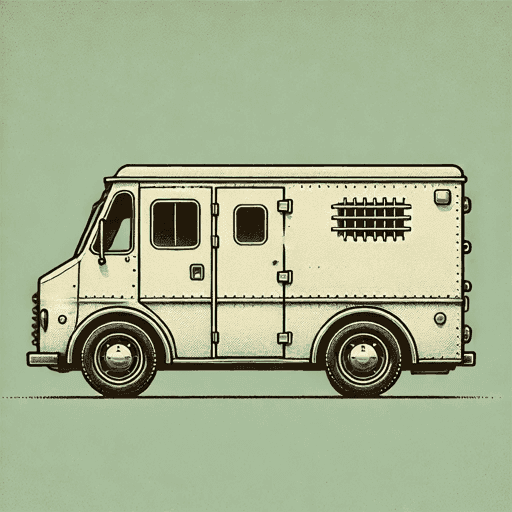
1. Rudd’s bulletproof van symbolizes his self-imposed exile from a corrupt legal establishment. Besides those mentioned in the guide, what other prominent symbols exist in the narrative? What do they represent?
2. Rudd’s first-person narration gives the reader an in-depth view of his opinions of the justice system. Is he a reliable narrator? Why or why not?
3. The theme of The Thin Line Separating Criminals from Enforcers is central to the plot. Where do minor characters like Nate Spurio, Detective Reardon, and Miguel land in regard to this theme?
4. Why do you think Grisham chose an episodic structure for this novel instead of a single, overarching case? How does this format allow him to explore different facets of the justice system’s corruption?
5. The narrative is full of deception and disguise alongside moments of raw honesty. What suggestions do it make about identity in this context?
Creative Engagement
Encourage imaginative and creative connections to the book.
1. If you were to create a “rogue” practice for your own profession or a field you know well, what would it look like? What would be your equivalent of the bulletproof van?
2. Imagine you are a juror in Tadeo Zapate’s murder trial. After seeing the viral video of the attack, how would you weigh that powerful evidence against the “volitional insanity” defense presented by Rudd’s expert witness?
3. The book ends on an ambiguous note as Rudd drives away, exhausted and unsure of his future. What do you think is next for him? Does he return to his rogue practice, or does this final case push him toward a different path?

Get in-depth, chapter-by-chapter summaries and analysis from our literary experts.
- Grasp challenging concepts with clear, comprehensive explanations
- Revisit key plot points and ideas without rereading the book
- Share impressive insights in classes and book clubs