Rogue Lawyer
Rogue Lawyer
A modern alternative to SparkNotes and CliffsNotes, SuperSummary offers high-quality Study Guides with detailed chapter summaries and analysis of major themes, characters, and more.
Summaries & Analyses
Quizzes
NEWReading Tools
Symbols & Motifs
Content Warning: This section of the guide includes a discussion of graphic violence and death.
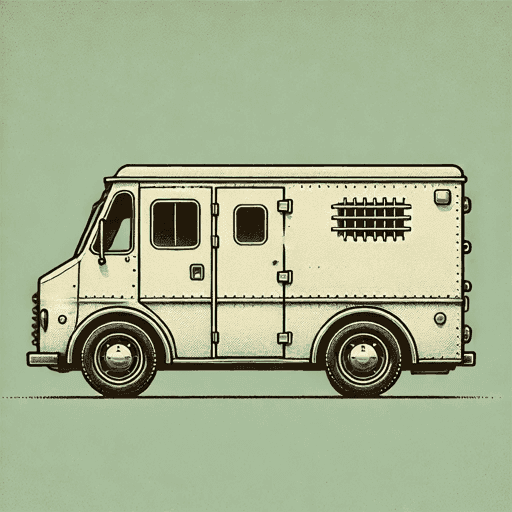
The Bulletproof Van
Sebastian Rudd’s customized Ford cargo van is a symbol of his self-imposed exile from a corrupt legal establishment and a motif for The Perversion of Justice in a Corrupt System. As his office, mobile command center, and sanctuary, the van represents his identity as a “rogue lawyer” who operates on the dangerous fringes of the justice system. Because traditional institutions like the courtroom have failed, Rudd must create his own self-reliant and fortified space to pursue his version of fairness. He notes that he does not “maintain a pretty office filled with mahogany and leather” (117). Instead, he possesses the van, and its mobility underscores his nomadic, untethered existence, while its defenses highlight the constant threat he faces from both criminals and the system itself. By rejecting a fixed office, Rudd severs his ties to a legal world he sees as compromised, choosing instead a transient life that mirrors the instability and moral ambiguity of the cases he takes.
The van’s specific features articulate Rudd’s cynical and pragmatic worldview and also embody the theme of Justifying Unethical Means for Ethical Ends. The vehicle is a fortress designed for a world where violence is an occupational hazard and trust is a liability. Rudd notes, “All windows are shaded and bulletproof. It has a television, stereo system, Internet, refrigerator, bar, a couple of guns, and a change of clothes” (6). This inventory reveals a man prepared for anything, from a legal filing to a gunfight. The bulletproof windows are not a luxury but a necessity, symbolizing his expectation of attack. The bar and refrigerator suggest a life lived on the move, detached from domestic comforts. Ultimately, Rudd uses this off-the-grid base to plan and execute the morally gray tactics required to fight a system that cheats at every turn.
Cage Fighting
The recurring motif of mixed martial arts, or cage fighting, serves as a commentary on the nature of justice and violence and fuels the theme The Thin Line Separating Criminals from Enforcers. For Rudd, the cage represents a brutal but honest arena of conflict, one that starkly contrasts with the duplicitous and corrupt violence of the legal system. In the cage, the rules are clear, the combatants face each other directly, and the outcome, however bloody, is determined by skill and will. This directness fascinates Rudd, who spends his professional life navigating a system where lies are legitimized and verdicts are predetermined. His admiration for the sport reveals his cynicism toward his own profession: “It takes more courage, more in-your-face raw guts, than any sport since the gladiators battled to the death” (31). His praise for the fighters’ “raw guts” implicitly criticizes the cowardice of the prosecutors, judges, and cops who hide behind procedure to pervert justice.
The cage fighting motif blurs the line between criminals and enforcers by immersing Rudd in the criminal underworld. His investment in the fighter Tadeo Zapate and his participation in illegal betting rings force him to operate by the codes of the street, blurring his identity as an officer of the court. His presence in this world is not merely professional; it is personal and deeply felt, revealing his affinity for a world with its own warped but understandable sense of honor. This world of direct, brutal conflict becomes a lens through which Rudd, and the reader, can view the more insidious and dishonest violence perpetrated by the state, where a wrongful conviction or a botched SWAT raid can be far more destructive than any knockout punch.
The Billboard
The billboard in Rogue Lawyer symbolizes the deceptive surface of legitimacy that conceals corruption, moral compromise, and literal death. Grisham introduces the image early, when Sebastian Rudd distinguishes himself from lawyers who "smile from billboards as they beg for your bankruptcy and swagger in television ads as they seem deeply concerned about your personal injuries" (4). These attorneys purchase a public veneer of respectability, projecting competence and trustworthiness to a mass audience while operating inside the same broken system Rudd exposes throughout the novel. The billboard, in this initial appearance, signals that the most visible face of the legal profession is also its most dishonest, linking the symbol directly to the novel's portrait of a justice system in which appearances routinely override truth.
The symbol deepens when Arch Swanger directs Rudd to Dr. Woo's roadside advertisement for vasectomy reversals, claiming Jiliana Kemp's body lies buried beneath it. The grotesque pairing of a cheerful commercial sign with a concealed grave emphasizes the relationship between public spectacle and hidden violence in the narrative. Police departments project authority while committing crimes; prosecutors project righteousness while fabricating evidence. The billboard condenses this pattern into a single image: Something garish and attention-seeking planted over something the powerful want kept underground. That Swanger's claim proves false only reinforces the symbol's meaning, since the system's public promises of justice prove equally hollow. The billboard, visible to thousands of passing drivers yet concealing what they cannot see, mirrors a legal order designed to advertise fairness it does not always deliver.

Unlock the meaning behind every key symbol & motif
See how recurring imagery, objects, and ideas shape the narrative.
- Explore how the author builds meaning through symbolism
- Understand what symbols & motifs represent in the text
- Connect recurring ideas to themes, characters, and events