The Children
A modern alternative to SparkNotes and CliffsNotes, SuperSummary offers high-quality Study Guides with detailed chapter summaries and analysis of major themes, characters, and more.
Summaries & Analyses
Quizzes
NEWReading Tools
Book Club Questions
Content Warning: This section of the guide includes discussion of child abuse, emotional abuse, and mental illness.
General Impressions
Gather initial thoughts and broad opinions about the book.
1. What were your initial expectations for The Children? Did you anticipate it being more of a psychological thriller, a family drama, or a supernatural horror story, and how did the final reveal align with or challenge those expectations?
2. How did you react to the theme of an author basing a beloved children’s series on their own kids? The guide mentions real-life examples like Christopher Robin from A. A. Milne’s Winnie-the-Pooh. Did knowing this background change how you viewed Edith Sharpe’s actions or Ennis’s resentment?
3. Were you surprised by Guin’s choice to join Ennis and make a pact with Mother? Did you find her transformation into a powerful, morally ambiguous creator a satisfying conclusion to her journey?
Personal Reflection and Connection
Encourage readers to connect the book’s themes and characters with their personal experiences.
1. Guin spends years performing the role of the “saintly girl heroine” and promoting a “sunny” version of her childhood that she knows is a lie (6). Think about a time you’ve felt the need to present a curated or more polished version of your own story to the world. What motivates this kind of performance, and what toll can it take?
2. What did you make of the intense “two-person cult” that Guin and Ennis formed as children to protect themselves from their parents’ neglect (193)? Have you ever had a friendship or sibling bond that felt like a secret world of its own, and how did that relationship shape you?
3. Hank shows a path toward a “normal,” stable life, which Guin ultimately rejects for the dark, creative power of her family’s legacy. Have you ever felt a similar pull between a simpler, safer choice and a more complicated path that felt truer to your identity?
4. The novel shows fans of the Ninth City series misremembering scenes and projecting their own needs onto the books. Can you think of a story from your own childhood that you later revisited as an adult and saw in a completely different light? How did your understanding of it change?
5. For years, Guin’s creative outlet involves secretly writing stories and then burning the pages. Have you ever had a creative pursuit that you kept entirely for yourself?
Societal and Cultural Context
Examine the book’s relevance to societal issues, historical events, or cultural themes.
1. Edith’s exploitation is similar to the modern phenomenon of “sharenting,” where parents broadcast their children’s lives online. In what ways does the Sharpe family’s story serve as a cautionary tale for our current social-media age?
2. How does the novel critique the romantic idea of the “tortured genius”? Where do you see our culture making excuses for harmful behavior from brilliant artists, and what does the supernatural entity “Mother” suggest about the true cost of that genius?
3. What does the story suggest about the public’s relationship with celebrity families? Think about the fans, the paparazzi, and the publishers. How does their hunger for a good story contribute to the harm done to Guin and Ennis?
Literary Analysis
Dive into the book’s structure, characters, themes, and symbolism.
1. The narrative jumps between Guin’s present-day investigation and fragmented flashbacks of her traumatic childhood. How did this non-linear structure affect your reading experience and your understanding of Guin’s memory?
2. The Farmhouse is more than just a setting; it seems to be a sentient character in its own right. How does the house’s role evolve from a family home to a parasitic entity’s prison, and what does it symbolize about the Sharpe family legacy?
3. What is the significance of the recurring motif of missing fingers? How does this visceral sacrifice define a character’s relationship to creative power and their pact with Mother?
4. What does Lewellyn’s transformation from a “transcendent” actor into one of his own “Hollow Men” paintings reveal about the parasitic nature of Edith’s ambition?
5. The fictional Architect from the Ninth City books is a direct symbol for Edith herself. How does this parallel between the fictional creator and the real-life mother help unpack the theme of parental exploitation?
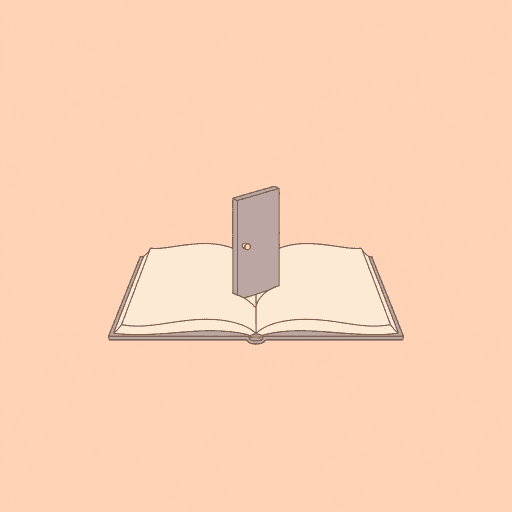
6. In what ways does the novel subvert the tropes of classic portal fantasies, like Lewis Carroll’s Alice’s Adventures in Wonderland? How do the “doors” in this story lead not to wonder but to exploitation and loss?
Creative Engagement
Encourage imaginative and creative connections to the book.
1. If you were hired to design the book cover for the sixth and final volume, The Architect’s Key, what imagery would you use to hint at Guin and Ennis’s true, sinister plan for their readers?
2. Imagine you’re a journalist who gets a five-minute, off-the-record conversation with Hank after his breakup with Guin. What would you ask him to try to understand the woman behind the public facade?
3. Ennis’s art installations are immersive, multi-sensory experiences. If you were to create an art installation based on a single theme or symbol from the book, like the Dreamers’ Graveyard or the feeling of being watched by the Farmhouse, what would it look, sound, and feel like?

Get in-depth, chapter-by-chapter summaries and analysis from our literary experts.
- Grasp challenging concepts with clear, comprehensive explanations
- Revisit key plot points and ideas without rereading the book
- Share impressive insights in classes and book clubs
Featured Collections
Appearance Versus Reality
View Collection
Art
View Collection
Books & Literature
View Collection
Brothers & Sisters
View Collection
Childhood & Youth
View Collection
Fate
View Collection
Grief
View Collection
Hate & Anger
View Collection
Loyalty & Betrayal
View Collection
Memory
View Collection
Mortality & Death
View Collection
Mothers
View Collection
Pride Month Reads
View Collection
Revenge
View Collection
Safety & Danger
View Collection
The Best of "Best Book" Lists
View Collection
The Past
View Collection
Valentine's Day Reads: The Theme of Love
View Collection