The Witch
A modern alternative to SparkNotes and CliffsNotes, SuperSummary offers high-quality Study Guides with detailed chapter summaries and analysis of major themes, characters, and more.
Summaries & Analyses
Quizzes
NEWReading Tools
Book Club Questions
Content Warning: This section of the guide includes discussion of death and gender discrimination.
General Impressions
Gather initial thoughts and broad opinions about the book.
1. What was your initial reaction to the book’s blend of historical fiction, gothic horror, and modern thriller? Did you find that mixing these genres made the story more compelling?
2. How did you feel about the novel’s use of a haunted house as its central setting? When you think of other famous literary haunted houses, such as the one in Shirley Jackson’s The Haunting of Hill House (1959), how does Pemberton compare in creating an atmosphere of dread and mystery?
3. The novel’s biggest twist reveals that the haunting was a human-made hoax. Did this revelation satisfy you as a reader? How did it change your perspective on the events that came before it?
Personal Reflection and Connection
Encourage readers to connect the book’s themes and characters with their personal experiences.
1. Julia finds herself forced to return to Pemberton, a place tied to a childhood trauma. Think about a time when you may have revisited a place from your past that held complicated memories. How did that experience compare to Julia’s reluctant homecoming?
2. The story is driven by secrets that span generations. Have you ever discovered details about your own ancestral heritage that have changed how you see yourself or your family?
3. Henry’s firm skepticism about the supernatural is rooted in his childhood grief. Do you think your own personal experiences have shaped what you’re willing to believe or disbelieve?
4. Caroline’s journey forces her to abandon her identity as a dutiful wife to become a pragmatic survivor. Have you ever been in a situation that required you to find a strength or a side of yourself you didn’t know you possessed?
5. Both Caroline and Celia act from a position of powerlessness within their respective societies. What does the book suggest about the extreme choices people might make when they feel trapped by their circumstances?
Societal and Cultural Context
Examine the book’s relevance to societal issues, historical events, or cultural themes.
1. The theme of patriarchal oppression links the two timelines. How do the specific injustices that Caroline faces in 1692 compare to the challenges and social constraints faced by women like the real Ethel and Celia in the 20th century?
2. What does the novel’s use of the Salem Witch Trials—an event fueled by mass hysteria and dubious evidence—suggest about modern-day phenomena like online misinformation or public shaming?
3. How does Archie’s ability to hide his crimes behind his wealth and social standing reflect on broader societal issues? Where do you see similar dynamics of power protecting corruption in the world today?
Literary Analysis
Dive into the book’s structure, characters, themes, and symbolism.
1. How does the alternating narrative between 1692 and the present day build suspense and deepen the novel’s central themes? Did you find one timeline more compelling than the other, and why?
2. Celia’s character is built on a stolen identity. How did her portrayal compare to other famous literary imposters you might have read, like Tom Ripley in The Talented Mr. Ripley (1955)? What does her success for over 50 years suggest about the nature of identity and perception?
3. The grandfather clock stops at 3:41 am every night. What did this symbolize to you during the haunting, and how did its meaning change after Celia’s hoax was exposed?
4. In what ways does Pemberton function as a character in its own right? How does the house itself seem to hold and transmit the trauma of the past across generations?
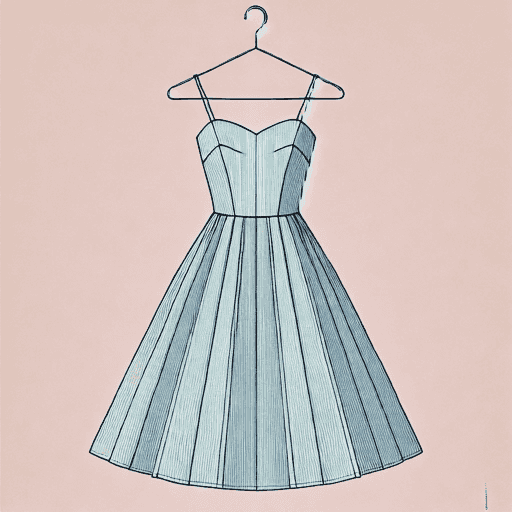
5. The peacock-blue dress is a recurring motif. How does this object connect the crimes of the past with the secrets of the present?
6. The narrative is full of misdirection. Looking back, what subtle clues did you notice or overlook on your first read?
Creative Engagement
Encourage imaginative and creative connections to the book.
1. If you were writing a short story from the perspective of Letty, what factors would you focus on to explain her complicity in Celia’s 50-year deception?
2. Imagine you’re the curator designing the new Pemberton museum exhibit. Which three objects from the house would you choose as the centerpiece, and what would their descriptive placards say to hint at the estate’s true, secret history?
3. If The Witch were adapted into a limited series, which actors would you choose for the roles of Julia, Caroline, and Celia? What makes them the perfect fit for these characters?

Get in-depth, chapter-by-chapter summaries and analysis from our literary experts.
- Grasp challenging concepts with clear, comprehensive explanations
- Revisit key plot points and ideas without rereading the book
- Share impressive insights in classes and book clubs
Related Titles
By Freida McFadden