There Was a Party for Langston
There Was a Party for Langston
A modern alternative to SparkNotes and CliffsNotes, SuperSummary offers high-quality Study Guides with detailed chapter summaries and analysis of major themes, characters, and more.
Summaries & Analyses
Quizzes
NEWReading Tools
Character List
Meet the key characters, with insights into their roles, motivations, and relationships—spoiler-free.
Major Characters
Langston is a prolific author and intellectual leader of the Harlem Renaissance. He is a "word-making king" whose poetry uniquely captures the joys and struggles of Black American life. Using his typewriter to create words that inspire generations, he acts as a profound source of representation and hope. He faces intense criticism from those who wish to silence his voice, yet he continually turns that hate into joyful laughter.
Literary successor of Maya Angelou
Artistic successor of Amiri Baraka
Friend of Martin Luther King, Jr.
Mentor of Gwendolyn Brooks
Artistic successor to Paul Lawrence Dunbar
Maya is a talented writer and one of Langston's "word-children." She grew up reading his works, which motivated her to transform language in her own right. She is a phenomenal woman who turns words like "woman" into mountains and helps the metaphorical "cage" of oppression feel far away. Her joyful dancing at the party asserts her resilience and unbroken spirit.
Inspired by Langston Hughes
Dancing partner of Amiri Baraka
Amiri is an activist and poet who is another of Langston's "word-children." His work transforms the word "Black" into echoes of the past and visions of the future. Deeply influenced by the civil rights movement, he uses his percussive language to honor Black resilience and historical power. He dances wildly at the celebration, forming the shape of an "X" with his body.
Supporting Characters
Martin is an important civil rights leader who was a real-life friend of Langston. He draws upon the poet's themes of deferred dreams to relate his own messages of equality and hope to the masses. His work helps bring about tangible changes and legislation promoting integration.
Friend of Langston Hughes
Malcolm is a prominent civil rights leader. His legacy and untimely death deeply shape Amiri's identity. This prompts Amiri to move to Harlem and become increasingly politicized. His enduring influence is physically represented when Amiri dances in the shape of an "X" at the library party.
Profound influence on Amiri Baraka
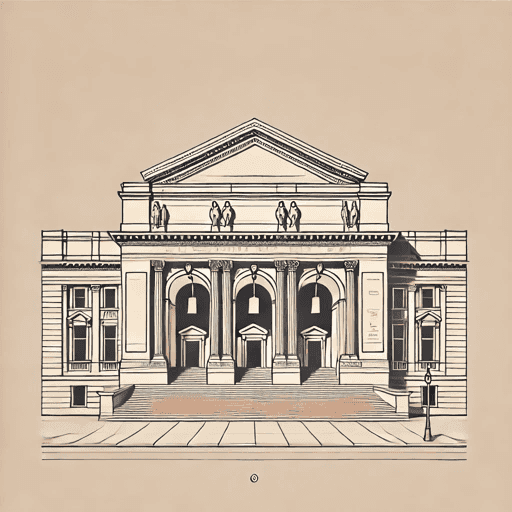
Gwendolyn is a celebrated Black author and poet whose books populate the Schomburg Center. Because Langston mentored her, she represents the direct cycle of artistic inspiration across generations. She quietly observes the joyful celebration honoring her mentor.
Mentee of Langston Hughes
Paul is an early Black poet whose work helped set the stage for the Harlem Renaissance. His presence on the library shelves shows that even a "king of letters" like Langston built upon the foundation laid by earlier generations of artists.
Artistic predecessor of Langston Hughes