You Dreamed of Empires
You Dreamed of Empires
A modern alternative to SparkNotes and CliffsNotes, SuperSummary offers high-quality Study Guides with detailed chapter summaries and analysis of major themes, characters, and more.
Summaries & Analyses
Quizzes
NEWReading Tools
Symbols & Motifs
Content Warning: This section of the guide contains discussion of substance use.
Hallucinogenic Substances
The motif of hallucinogenic substances, including mushrooms and cacti, functions as the primary mechanism through which the novel destabilizes historical certainty and explores the theme of The Contingency of Historical Events. These substances permit real and imagined worlds to overlap and intermingle, suggesting that history is not a fixed sequence of events but a product of perception and imagination. Moctezuma’s steady consumption of “magic mushrooms” propels his withdrawal from the political world into an interior, esoteric reality. This retreat is not merely escapism but a turn toward an alternate form of knowledge that makes his actions dangerously unpredictable. His reliance on altered states is a key factor in the power vacuum that develops, leaving the empire vulnerable. He ingests mushrooms not just for spiritual insight but also “to summon the sleep my fool of an uncle drove away” (71), indicating his use of them to manage the overwhelming pressures of his office by retreating from linear, cause-and-effect reality. The motif culminates in the novel’s counterfactual climax, where Cortés is compelled to consume a “cactus-of-tongues” (210) to communicate directly with Moctezuma. This shared hallucinogenic experience dissolves the barrier between history and dream, creating a narrative space where the known past can be rewritten. The drug does not just alter perception; it becomes the conduit for an alternate history, cementing the novel’s argument that historical outcomes are mutable and contingent on moments of profound imaginative rupture.
Ritual and Protocol
The motif of ritual and protocol is central to the novel’s depiction of Political Power as Theatrical Performance, illustrating how both the Mexica and the Spanish assert dominance through meticulously staged ceremonies rather than sheer force. The narrative presents the impending conquest as a series of high-stakes performances where status, intent, and control are negotiated through etiquette. The Mexica court operates within a highly codified system of gestures, greetings, and seating arrangements, turning a simple meal into a diplomatic battleground. Cortés’s repeated violations of this protocol expose his provincial ignorance and threaten the success of his expedition. His most significant blunder occurs during his initial meeting with Moctezuma, when he “almost sank everything by trying to hug him” (5). This act is not a minor faux pas but a shocking disruption of the sacred distance that defines the emperor’s power, forcing Moctezuma’s guards to intervene. Similarly, when Cortés is offered the throne of Acamapichtli as a formulaic courtesy, he fails to understand the performance and instead accepts the offer at face value. His literal interpretation of a ritualistic offer demonstrates a complete failure to grasp the symbolic language of power, positioning him as a dangerously unpredictable actor who refuses to play by the established rules. By focusing on these performative clashes, the novel argues that power is a fragile consensus maintained through shared rituals, an illusion that can be shattered by a single unscripted gesture.
The Horses
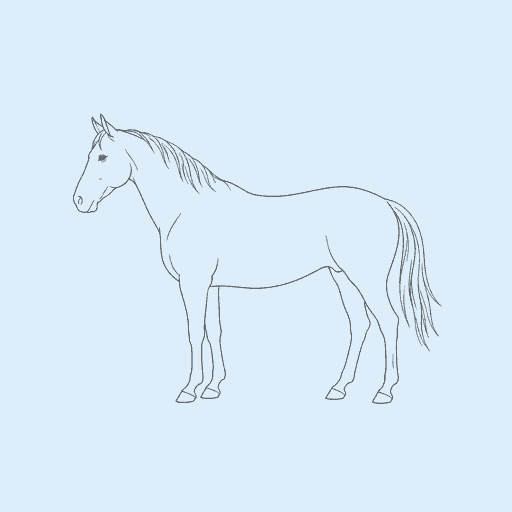
The horses, which the Mexica call cahuayos—a Nahuatlized version of the Spanish caballos—are a symbol representing the disruptive, alien power of the Spanish and the fatal miscalculations that shape the contingency of historical events. For Moctezuma, the animals are an object of intense fascination, a marvel he is determined to possess at any cost. Though many around him view this obsession as a strategic error, as he consistently prioritizes the acquisition of the cahuayos over confronting the human threat the Spanish represent, his fixation proves prescient. Rather than focusing on the Tlaxcalteca army camped at his city’s edge, Moctezuma’s first concern upon Cortés’s arrival is for the animals: “‘Don’t let a single one die,’ said the emperor; ‘they were brought here unharmed at great cost’” (60). He alone recognizes that if the Spanish were willing to make the necessary sacrifices to bring their horses through the arduous journey to Tenochtitlan, the animals must have great strategic value. Only much later does Princess Atotoxtli intuit what Moctezuma has already seen: that “a whole world, bigger and more solid, could be built on the backs of these beasts. They were the future” (186). In the novel’s counterfactual history, Moctezuma sees this future coming, and everything he does is to ensure that he controls it.

Unlock the meaning behind every key symbol & motif
See how recurring imagery, objects, and ideas shape the narrative.
- Explore how the author builds meaning through symbolism
- Understand what symbols & motifs represent in the text
- Connect recurring ideas to themes, characters, and events