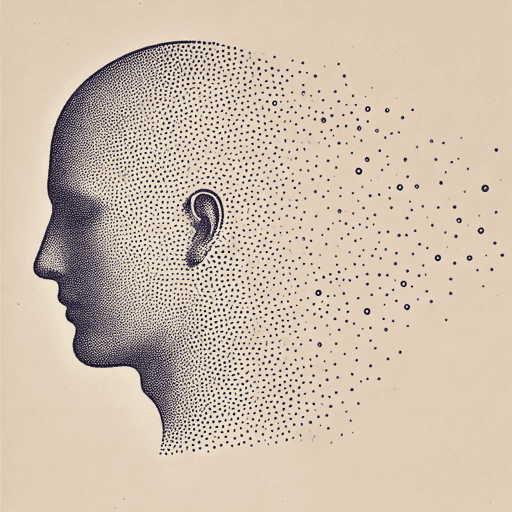
A World Appears: A Journey into Consciousness
A World Appears: A Journey into Consciousness
A modern alternative to SparkNotes and CliffsNotes, SuperSummary offers high-quality Study Guides with detailed chapter summaries and analysis of major themes, characters, and more.
Summaries & Analyses
Author Insights
Quizzes
NEWReading Tools
Book Club Questions
Content Warning: This section of the guide includes discussion of mental illness, ableism, bullying, and emotional abuse.
General Impressions
Gather initial thoughts and broad opinions about the book.
1. Are you familiar with Michael Pollan’s other work? If so, how does A World Appears compare to his other work, such as The Omnivore’s Dilemma or How to Change Your Mind?
2. Some reviewers have criticized Pollan’s work as either over-simplifying complex scientific ideas or centering his own views too heavily. How might you respond to such criticisms? Are they valid? Why or why not?
Personal Reflection and Connection
Encourage readers to connect the book’s themes and characters with their personal experiences.
1. Which element of consciousness (sentience, feeling, thought, self) do you find the most important? Explain why.
2. Pollan’s research reveals a conflict between scientific and spiritual beliefs about consciousness. Which side, if any, do you favor, and why?
3. Do you agree with Pollan (and others) that plants have some level of awareness? Did the discussion of plant consciousness in the book change your mind on this topic? Why or why not?
4. Pollan concludes that it is less important to solve the question of consciousness, and more important to appreciate it. Do you agree? How might you apply this idea in your own life?
Societal and Cultural Context
Examine the book’s relevance to societal issues, historical events, or cultural themes.
1. In what ways does the book present and critique Western biases and their impact on science? How might these biases be present in, and have influence over, other areas of Western society?
2. Pollan’s discussion of AI comes out at a crucial moment. How, if at all, do the book’s conclusions impact your understanding of or feelings about AI and its place in society?
Literary Analysis
Dive into the book’s structure, characters, themes, and symbolism.
1. How does Pollan’s wry tone and anecdotal style influence your reading of the book’s major concepts and themes?
2. The book is organized topically into the four major components of consciousness. Was this the most effective organization structure? How might a more chronological structure have altered the book?
3. Describe and analyze Michael Pollan’s role as a “character” as well as the narrator in the book.
4. What symbols and images does Pollan use throughout the book to talk about consciousness? Which resonated with you most?
5. What does Gilbert mean when he tells Pollan to “be wary of the desire for magic” (65)? How does this contribute to the themes of the book?
Creative Engagement
Encourage imaginative and creative connections to the book.
1. Pollan discusses several stream-of-consciousness novels as examples of spontaneous thought. Imagine you are writing a stream of consciousness novel. What would it look/sound like? How would you try to capture the feeling of spontaneous thought?
2. Using any ideas or images present in the book, and/or personal experience, try to craft a visual representation of Plato’s Allegory of the Cave.

Get in-depth, chapter-by-chapter summaries and analysis from our literary experts.
- Grasp challenging concepts with clear, comprehensive explanations
- Revisit key plot points and ideas without rereading the book
- Share impressive insights in classes and book clubs