Blood in the Water
A modern alternative to SparkNotes and CliffsNotes, SuperSummary offers high-quality Study Guides with detailed chapter summaries and analysis of major themes, characters, and more.
Summaries & Analyses
Quizzes
NEWReading Tools
Symbols & Motifs
Content Warning: This section of the guide includes discussion of child death.
Sharks
Sharks operate as the novel’s central motif, developing the theme of The Illusion of Social Respectability by illustrating the predatory nature lurking beneath a seemingly serene surface. The steward on the ferry dismisses the basking shark as a “[l]amb of the sea,” yet Kaylani’s intuition tells her, “Sharks are never harmless” (23). This early observation foreshadows the novel’s core truth: The most dangerous predators are not always the ones that look the part. Early in the novel, sharks offer a convenient explanation for Chadwick’s death, misdirecting the characters and the community. The motif evolves from a marine animal into a metaphor for Mrs. Watson, a respected matriarch and prominent socialite who is really a ruthless killer hiding in plain sight. She preys on the vulnerable to protect her status, using the community’s fear of a natural predator to camouflage her crimes. The motif’s thematic significance culminates when Kaylani discovers that Mrs. Watson is the murderer and immediately recalls that sharks circle their prey before attacking “seemingly out of nowhere” (237). The fear of the shark in the water distracts everyone from the far more dangerous predator on land, whose polished exterior makes her attack all the more destructive and unexpected.
The Jaws Bridge
The Jaws Bridge is a symbol whose meaning transforms from a representation of youthful innocence to a site of corruption and violence. Initially, it functions as the backdrop for a beloved rite of passage on the island. As London explains, “Everyone jumps off the bridge. It’s, like, a tradition here” (55). This establishes the bridge as a place of carefree summer fun and belonging. However, its idyllic reputation is shattered when it becomes the scene of Chadwick’s murder. The location, once associated with joy and daring, is tainted by death and deception, mirroring how easily innocence can be corrupted. The bridge’s symbolic journey culminates in the climax when Mrs. Watson attempts to murder Kaylani there. This final act completes its transformation from a playground into a hunting ground. The bridge stands as a warning that even the most cherished and seemingly safe spaces can harbor deadly secrets, reflecting the deadly reality concealed by the island’s picturesque facade.
The Watson House (McBride Manor)
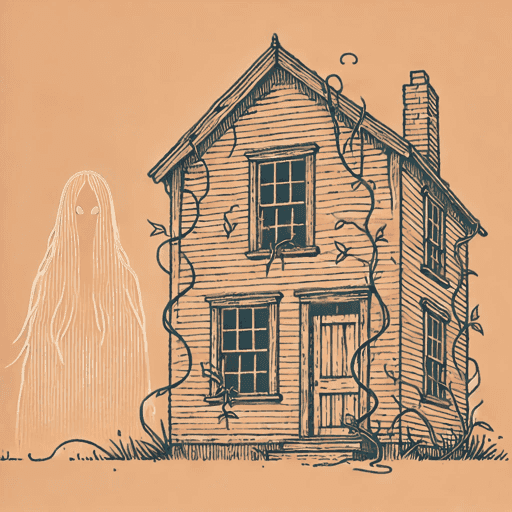
The Watson house, whose true name is the McBride Manor, serves as a motif of both The Illusion of Social Respectability and The Reclamation of Black History because it represents a stolen legacy and the violent rewriting of the past. For the Watsons, the house is the ultimate symbol of their elite status and the foundation of the elite reputation they have carefully constructed. However, its real name, McBride Manor, reveals the truth: The house was deceitfully taken from its rightful owner, Alice. The house’s dual identity encapsulates the tension between the fraudulent present and a suppressed past. In addition, the house expressly motivates Mrs. Watson’s crimes; she murdered Alice to acquire it and later kills Chadwick to prevent him from exposing her fraud because she believes that her family would be “nothing without it” (242). The family’s denial of this history is an important part of their identity, as shown when Cassie dismisses Chadwick’s discovery: “[He was] telling me some ridiculous story about the house, how it wasn’t ours, and how Grandma stole it. Which, of course, is a total lie” (231). This active perpetuation of the lie emphasizes the home’s thematic weight. By the end of the novel, Kaylani builds upon Chadwick’s research, uncovers Alice’s great contributions to the island’s community, and helps to restore the house’s history. Ultimately, the investigation into the house becomes an act of justice, proving that The Reclamation of Black History is essential to exposing present-day wrongs.

Unlock the meaning behind every key symbol & motif
See how recurring imagery, objects, and ideas shape the narrative.
- Explore how the author builds meaning through symbolism
- Understand what symbols & motifs represent in the text
- Connect recurring ideas to themes, characters, and events
Related Titles
By Tiffany D. Jackson