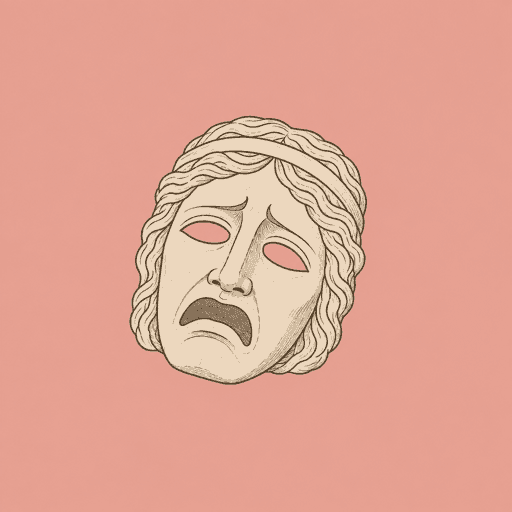
Glorious Exploits
A modern alternative to SparkNotes and CliffsNotes, SuperSummary offers high-quality Study Guides with detailed chapter summaries and analysis of major themes, characters, and more.
Summaries & Analyses
Reading Tools
Symbols & Motifs
Content Warning: This section of the guide includes discussion of death and graphic violence.
The Quarries
The limestone quarries where the Athenian prisoners are held function as the novel’s central symbol, representing the deep contradiction between human cruelty and the transcendent power of art. Initially, the quarries are a physical manifestation of the brutal consequences of war and vengeance, an open-air prison designed for dehumanization. Lampo describes the space as a “festering pit” (59), defined by its “thick and rotten” (5) stench and the suffering of its skeletal inhabitants. It is a symbol of hell on earth, proof of the depths of Syracusan retribution. However, Lampo and Gelon’s artistic ambitions transform this space.
Through their eyes, the pit becomes a stage, an accidental amphitheater where art can be created. Lampo observes, “Sure, isn’t this quarry itself an amphitheatre? A huge Athenian amphitheatre with two little Syracusans watching” (19). This perceptual shift is the novel’s core dynamic, illustrating the theme of Art as a Catalyst for Human Connection. The very ground meant to entomb the Athenians becomes the foundation for a shared creative endeavor that temporarily erases the line between victor and vanquished. The quarries’ symbolic power is fully realized in the climax, when Biton’s real-world violence shatters the performance, and the space reverts to a site of slaughter, proving that art’s sanctuary is both deep and tragically fragile.

Unlock the meaning behind every key symbol & motif
See how recurring imagery, objects, and ideas shape the narrative.
- Explore how the author builds meaning through symbolism
- Understand what symbols & motifs represent in the text
- Connect recurring ideas to themes, characters, and events