Lady Tremaine
Lady Tremaine
A modern alternative to SparkNotes and CliffsNotes, SuperSummary offers high-quality Study Guides with detailed chapter summaries and analysis of major themes, characters, and more.
Summaries & Analyses
Author Insights
Quizzes
NEWReading Tools
Symbols & Motifs
Content Warning: This section of the guide includes discussion of death and gender discrimination.
Bramley Hall
Hochhauser’s recurring images and descriptions of Bramley Hall act as a motif for Women’s Survival Within a Rigid Patriarchal System. When Lady Tremaine first moved into Bramley Hall after her marriage, she was astounded by the beautiful manor and the expansive, lush grounds. The place initially represented everything Lady Tremaine had worked for: a secure, lavish future with a stable member of the gentility. However, over time, this place that Lady Tremaine thought would cement her family stability began to literally and figuratively crumble: “But the years had passed and what had felt luxurious and ornamental had become onerous and decrepit” (17). The elegant ironwork on the front gate once “emulated the delicate tendrils of a climbing vine” but is now “broken (rusted, permanently, to stay open)” (17). The apple trees on the property once boasted comfort and plenty but are now overgrown and sagging.
On paper, Lady Tremaine owns the manor and the surrounding land and bears the title of a nobleman, but she’s hiding behind the facade of comfort. Meanwhile, the ceiling is crumbling, and the house is filled with rubble. Lady Tremaine has sold off almost all of Lord Bramley’s beautiful paintings and decor to maintain the home as it is, leaving most of the rooms nearly barren. The house’s dilapidation reveals the fragility of her position. She must maintain the illusion of status and wealth to guarantee her daughters a good future, but in reality, she and her family have been impoverished since Robert’s death.
Lucy the Hawk
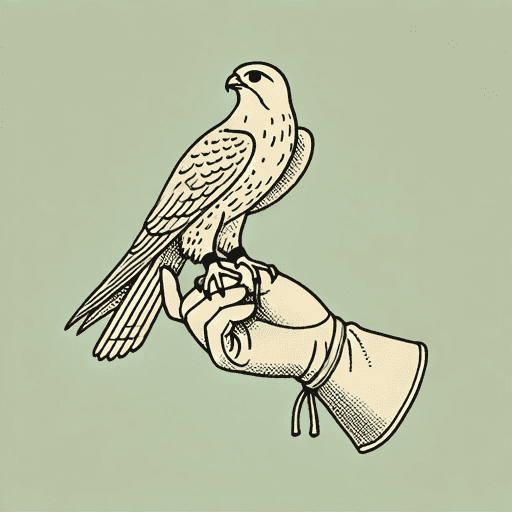
Lady Tremaine’s hawk, Lucy, is a symbol of female ferocity and ruthlessness. Throughout the novel, Lady Tremaine spends time alone with Lucy. She takes the bird out in the morning to hunt and often speaks to the hawk while walking the grounds. Her relationship with the hawk—a bird of prey—allows her to preserve a connection with her true nature. She reflects that the “days of [her] girlhood were dusty, dirty, sooty, and sweaty. Above all, they were happy” (13). Lucy keeps Lady Tremaine rooted to her past love because Henry taught her about falconry when she was a child.
In the present day of the narrative, Lady Tremaine’s relationship with the hawk helps to preserve some of her innate wildness. Her society has taught her to squash her desires, instincts, impulses, and wiles, but being with the hawk sets these parts of Lady Tremaine free. The hawk ultimately saves Lady Tremaine’s life when she attacks Prince Simeon in the novel’s climax, underscoring the idea that only when Lady Tremaine channels her innate ferocity can she free herself from patriarchal control.
Lady Tremaine’s Wedding Dress
Lady Tremaine’s wedding dress is a symbol of her past and The Tension Between Love and Ambition. When she made the dress with Agatha’s help, Lady Tremaine regarded the gown as “a totem of mobility” (69), ushering her out of her childhood home and into a new future with her husband. She notes that “on the day of the wedding itself, it became an artifact, the dress that saw [her] leave [her] childhood home. The sleeve that wiped [her] tears when [she] said goodbye to [her] father” (69). The dress is meaningful to Lady Tremaine because it represents an important turning point in her life, when she crossed the threshold from childhood into adulthood, determined to embrace love and contentment with Henry.
When Elin arrives at the ball wearing an altered version of the dress to win Prince Simeon’s favor, it transforms from a symbol of love into one of ambition, stoking Lady Tremaine’s resentment. Elin has literally cut up the dress, severing the sleeves and manipulating the gown that once represented Lady Tremaine’s hope. Lady Tremaine is affronted by the dress remnants that Elin leaves on her bed because she feels like Elin has coopted her story and experience.
Apples
Images of apples pervade the novel. Archetypally, apples represent temptation, desire, and deception. This archetypal significance originates in both the biblical Garden of Eden and throughout fairy-tale literature—as in the Snow White tale. In both of these myths, eating the apple ultimately leads the female character to ruin, death, or destruction.
In Hochhauser’s Cinderella retelling, apples take on a similar meaning—offering up a deceptive representation of reality. Lady Tremaine finds herself often overwhelmed by apples at Bramley Hall, as the trees around the property are laden with fruit too plentiful to harvest, eat, or sell. The apples present the illusion of abundance but fall to the ground bruised and rotting. Lady Tremaine repeatedly uses the apples to fortify this illusion of wealth and luxury—staging them at the picnic where she hosts the prince and around the house when anticipating the royal family’s visit. The apples, however, cannot disguise the truth of Lady Tremaine’s difficult circumstances or uphold the lie she is trying to sell: “[A]ll those apples could not bear the weight of the rubble” (247).

Unlock the meaning behind every key symbol & motif
See how recurring imagery, objects, and ideas shape the narrative.
- Explore how the author builds meaning through symbolism
- Understand what symbols & motifs represent in the text
- Connect recurring ideas to themes, characters, and events