The Color of Death
A modern alternative to SparkNotes and CliffsNotes, SuperSummary offers high-quality Study Guides with detailed chapter summaries and analysis of major themes, characters, and more.
Summaries & Analyses
Quizzes
NEWReading Tools
Book Club Questions
Content Warning: This section of the guide includes discussion of death.
General Impressions
Gather initial thoughts and broad opinions about the book.
1. How did the novel’s opening, which introduces JD’s vigilante plot before Colm is introduced, shape your reading experience? Did you find this dual-storyline structure effective at building suspense from the very beginning?
2. How did the novel compare to other books you may have read in the legal-thriller genre, such as John Grisham’s A Time to Kill (1989) or The Chamber (1994)? In what ways did co-author Trey Gowdy’s real-world prosecutorial background feel present in the story’s plot and characters?
3. What was the single most memorable or shocking scene for you? Was it the final courtroom reveal, Colm’s confrontation with the sniper, or Tiffany’s motive for the murder? What made that particular moment stand out?
Personal Reflection and Connection
Encourage readers to connect the book’s themes and characters with their personal experiences.
1. Colm finds a refuge from the chaos of his life at The Junction, a place of kindness and normalcy. Do you have a personal “Junction” in your own life? What place or routine provides you with a sense of peace or escape?
2. Belle is at a point where she’s questioning her career path and wants to find work that feels more meaningful. Can you recall a time when you re-evaluated your own professional or personal goals? What prompted that reflection, and what did you learn from it?
3. The novel strongly suggests that “[c]losure is a myth” for those who have suffered a destructive loss (8). Have you ever experienced this idea in your own life? How did you navigate the need for closure when seeking it felt particularly challenging?
4. Travis begins the story as an insecure novice who grows more confident through experience and mentorship. Think about a time when you were learning a new skill or stepping into a new role. How does your own experience with being a beginner compare to Travis’s character development?
5. Colm’s friendship with Bones is built on years of loyalty and shared history. Think about the important friendships in your own life. What role does that kind of steadfast support play, especially during difficult times?
Societal and Cultural Context
Examine the book’s relevance to societal issues, historical events, or cultural themes.
1. The story portrays a justice system where powerful figures like Judge Martin and Sheriff Lloyd abuse their authority for personal gain. How does this depiction of institutional corruption reflect or challenge common perceptions of law and order? Where do you see similar abuses of power in society today?
2. Given that co-author Gowdy is a public figure with a distinct political background, did this knowledge influence how you interpreted the novel’s themes of justice, corruption, and personal responsibility? Why or why not?
3. The investigation is nearly derailed by evidence tampering and back-channel deals. What does the novel seem to say about accountability for those in positions of authority? Does Martin’s ultimate fate feel like a form of justice, even though it happens outside the legal system?
Literary Analysis
Dive into the book’s structure, characters, themes, and symbolism.
1. Tiffany is initially presented as a secondary character, the wronged wife. How did the authors use misdirection and her minor role to build the final twist? Looking back, were there any subtle clues to her guilt that you might have missed?
2. The motif of hair is central to the crime and its motive. How does this symbol connect Rachel’s murder to Tiffany’s feelings of sacrifice and rage?
3. The narrative alternates between Colm’s deeply personal first-person perspective and a third-person view of other characters. What did this narrative strategy add to the story for you? How did it create dramatic irony, especially in the scenes involving JD and Knox?
4. In his nonfiction work, such as Doesn’t Hurt to Ask (2020), Gowdy emphasizes the art of persuasion. How did you see these real-world skills reflected in Colm’s character, particularly during the climactic courtroom scene where he cross-examines Tiffany?
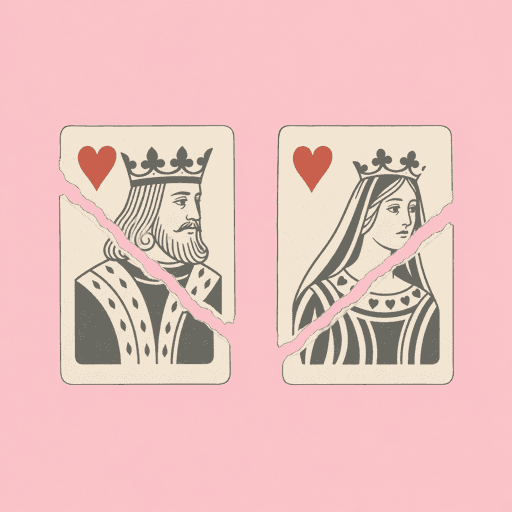
5. The torn playing cards, the “Suicide King” and the defaced queen of hearts, function as JD’s calling cards. What layers of meaning did you find in this symbol? How does it serve as both a threat and a cruel commentary on Colm’s personal grief?
6. The Bruton rule, a complex legal principle, becomes the critical pivot point in the preliminary hearing. Did you find this detailed dive into legal procedure engaging? How did it serve to re-establish Colm’s expertise after he had been sidelined?
Creative Engagement
Encourage imaginative and creative connections to the book.
1. Imagine you’re casting a movie version of The Color of Death. Which actors would you choose for the roles of Colm, Bones, and Tiffany, and what makes them the right fit for these characters?
2. Suppose you were tasked with designing a new cover for the book. What imagery, symbols, or colors would you use to capture the novel’s central themes of grief, deception, and justice?

Get in-depth, chapter-by-chapter summaries and analysis from our literary experts.
- Grasp challenging concepts with clear, comprehensive explanations
- Revisit key plot points and ideas without rereading the book
- Share impressive insights in classes and book clubs

Featured Collections
Books on Justice & Injustice
View Collection
Family
View Collection
Forgiveness
View Collection
Grief
View Collection
Guilt
View Collection
Mortality & Death
View Collection
Revenge
View Collection
Safety & Danger
View Collection
Trust & Doubt
View Collection
Truth & Lies
View Collection