This Is How It Always Is
This Is How It Always Is
A modern alternative to SparkNotes and CliffsNotes, SuperSummary offers high-quality Study Guides with detailed chapter summaries and analysis of major themes, characters, and more. For select classroom titles, we also provide Teaching Guides with discussion and quiz questions to prompt student engagement.
Summaries & Analyses
Quizzes
NEWReading Tools
Games
Part 1, Chapters 1-8Chapter Summaries & Analyses
Content Warning: This section of the guide includes discussion of illness, child death, transgender discrimination, and bullying.
Part 1, Chapter 1 Summary: “Once Upon a Time Claude Was Born”
The narrator, Dr. Rosie Walsh, is the mother of four small boys—Roosevelt, Ben, and twins Rigel and Orion—with a fifth child on the way. She, her writer husband, Penn, and their children live in Madison, Wisconsin. Penn works from home while she spends her nights working as a doctor in UW Hospital. Rosie performs a number of superstitious rituals in the hopes of giving birth to a girl. She hopes to name the girl Poppy, after her younger sister, who died of cancer at the age of 10. When they were children, Poppy noted Rosie’s talent for braiding hair, telling her: “Your daughter’s going to be so lucky” (9). Other mothers, teachers, and neighbors subtly criticize Rosie, pressing her as to why she had so many children. Rosie reflects that perhaps she has conceived so many times because she is trying for a girl to fill the void of her sister’s death. This first chapter also details how Rosie and Penn juggle careers and four children: “One day at a time. One foot in front of another. All for one” (8).
Part 1, Chapter 2 Summary: “One Date”
This chapter details Rosie and Penn’s first date. Rosie is in the first year of her medical residency at UW Hospital. Penn is enrolled in a creative writing MFA program. They have both agreed to a blind date; Penn agreed for writing material and Rosie agreed because Penn sounded nice over the phone. Penn feels nervous before meeting Rosie, then instantly realizes she is the woman he will marry when he meets her. Over dinner, Rosie expresses sympathy when Penn reveals he is an only child. Penn is puzzled. Rosie tells Penn about Poppy’s death. “Is that why you think only-childhood is so sad?” Penn asks Rosie (14). Rosie confirms. “Maybe that’s why I like you already,” Rosie tells Penn. “We’re both only children” (14). When Penn gets home after the date, he knows his daughter’s name will be Poppy.
Part 1, Chapter 3 Summary: “Residency”
After Rosie and Penn first meet, Rosie tells Penn that she is too busy to date due to her grueling residency schedule. Penn responds that he wasn’t aware that having a boyfriend “took up brainspace” (15). However, Penn uses Rosie’s reluctance to be romantically involved as an opportunity to woo her. He spends all his time writing and reading in the waiting room of the hospital where Rosie works. He begins to prefer working and studying at the hospital, writing stories about the people who come in and out. One night after her shift, Rosie finally takes Penn home with her. Rosie reflects that Penn’s stints writing at the hospital vetted him for being a good father, willing to wake up at all hours of the night to appease a crying baby. Though she’d been planning to return to her native Arizona, Rosie stays in Madison due to the prestige of the program and later because of the birth of her sons.
Part 1, Chapter 4 Summary: “Bedtime Story”
While Rosie is delivering their fifth child, Poppy, Penn is at home with their four boys telling them a bedtime story. He begins telling them a story he told Rosie on the first night they spent together, about the misadventures of a reluctant prince named Grumwald. When the boys complain about the story’s meandering plot, Penn explains, “Stories are very mysterious. That’s their other point. To tell themselves. And to be mysterious” (29).
Part 1, Chapter 5 Summary: “Things They Told Doctors”
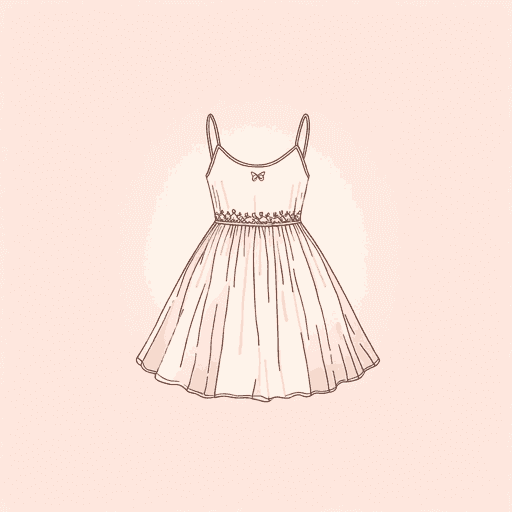
Poppy, who is assigned male at birth and named Claude, speaks her first word, “bologna,” at nine months old, though no doctor believes Rosie. Rosie and Penn assume this has something to do with Poppy’s brother Rigel having regularly demanded bologna to eat when Poppy was a baby. But Poppy was advanced in other ways too: She crawled at six months, walked at nine months, and at three years old wrote and illustrated a mystery series about a crime-fighting panda and puppy. Poppy claims that she will be many things when she grows up: a chef, a cat, a train, a farmer, an ice-cream cone. She also says that she will be a girl. She asks her mother if she will be able to wear a dress to work when she grows up, and Rosie says yes without giving the question much thought. One Thanksgiving, Poppy writes and directs a play that she and her brothers perform. She wears a princess dress in the play, and she continues to wear it throughout the holiday break. When school begins, she refuses to take the dress off for school. The only way that Rosie can coax Poppy out of the dress is by insisting that real ladies “do not wear rumpled, dirty dresses […] they wear clean, pressed ones” (36).
Part 1, Chapter 6 Summary: “Losers”
Though the children are getting older, Penn continues to tell them about Grumwald’s adventures. Responding to Poppy’s request for a girl in the plot, Penn introduces a new character, Princess Stephanie. Rosie’s mother, Carmelo, who lives in Phoenix, visits Madison for the summer. Carmelo lets Poppy try on her dresses, jewelry, and shoes. Poppy asks Carmelo if she will love her even if she wears dresses. “I will love you even if you wear a dress made out of puppies,” Carmelo replies (43). Carmelo buys Poppy a pink bikini, which she wears to the community pool. Other children and their parents look at him strangely. Ben, Poppy’s studious older brother, admits to Penn that he is worried Poppy will be made fun of in school.
Part 1, Chapter 7 Summary: “Air Currents and Other Winds”
Carmelo gives Poppy a purse, which she uses as a “lunch tote” (53). Rosie is called in to speak with Poppy’s kindergarten teacher, Becky Appleton, who scolds Rosie for allowing Poppy to bring a peanut butter sandwich to school in her lunch tote due to the potential peanut allergies of other students. Rosie counters that she had read the school manual cover-to-cover and never saw anything about peanut restrictions. Becky replies that it is not an official rule, but instead, “It’s about good faith and respect. Doing unto others. The Golden Rule” (51). Becky then suggests to Rosie that Poppy not bring a purse to school, claiming it is a distraction to the other children. Poppy begins wearing dresses at home, taking off her school clothes and changing into the dresses immediately after school. Rosie and Penn become concerned about the effort Poppy is making to hide who she is.
Part 1, Chapter 8 Summary: “Halloween”
Poppy dresses up as Grumwald for Halloween, complete with a cardboard cut-out that indicates the story’s “ceaseless narrative” (61). Rosie notes how long it has been since she has seen Poppy looking like a little boy. At the school parade, the principal, Dwight Harmon, expresses concern for Poppy to Penn. Dwight notes that Poppy is quiet and does not have many friends, which he feels is unusual for a five-year-old. Dwight encourages Penn to let him know if Poppy needs anything.
Part 1, Chapters 1-8 Analysis
The beginning of This Is How It Always Is outlines the development of Poppy’s gender identity formation as well as her parents’ growing concerns. At times, the way that Rosie and Penn express this concern differs. Both Rosie and Penn fret over Poppy’s happiness, but while Penn worries about the damage that hiding Poppy’s identity will do, Rosie grows fearful of how the world will treat Poppy if she embraces herself. At this point in the book, Frankel has made clear that Poppy’s family will support her wholeheartedly, almost to the point of isolating her from the rest of the world. Poppy, though young, understands this as well. When Penn claims that everyone will love her for who she is, Poppy counters, “No one but you [...] No one but us. We are the only ones” (57). This echoes Rosie’s early sentiment of “All for one and one for all” when it came to her family, indicating that they function as a unit, leaping to action when one member is feeling attacked or in pain (7). The emerging symbol of Penn’s never-ending fairy tale represents the family lore Penn and Rosie have begun to cultivate; Poppy will use Penn’s stories as a source of support in the face of future trials.
This section also highlights the early pressures trans children may face, regardless of family support. Poppy begins her early life as a smart, self-assured, imaginative young person. Yet, societal pressures—such as the public attention her pink bikini draws—begin to whittle down her sense of self. By the middle of Poppy’s kindergarten year, she has begun to self-censor her personal choices, namely fashion-related, so that they align with traditional gender norms. Poppy’s kindergarten teacher’s thinly masked anti-trans bias, and even the passive bias from Poppy’s own brothers, foreshadows Poppy’s future challenges and struggles to accept herself despite public opinion.

Get in-depth, chapter-by-chapter summaries and analysis from our literary experts.
- Grasp challenging concepts with clear, comprehensive explanations
- Revisit key plot points and ideas without rereading the book
- Share impressive insights in classes and book clubs