Coach
A modern alternative to SparkNotes and CliffsNotes, SuperSummary offers high-quality Study Guides with detailed chapter summaries and analysis of major themes, characters, and more.
Summaries & Analyses
Author Insights
Quizzes
NEWReading Tools
Book Club Questions
Content Warning: This section of the guide includes discussion of addiction and substance use.
General Impressions
Gather initial thoughts and broad opinions about the book.
1. As a prequel, Coach arrives after readers of the Track series have already formed an impression of the adult Coach Brody. Did learning about his childhood as Otie change your perspective on the man he becomes?
2. How does this novel compare to Reynolds’s other works, such as the rest of the Track series or a book like Long Way Down? If you’ve read his other work, what feels similar or different in how he explores difficult themes like addiction and violence? If this was your first time reading him, what stood out to you?
3. What was the most memorable scene or emotional moment for you in the entire book, and why did it resonate so strongly?
Personal Reflection and Connection
Encourage readers to connect the book’s themes and characters with their personal experiences.
1. The story explores the painful but necessary process of realizing a childhood hero is flawed. Have you ever had an experience where your perception of a role model or hero shifted dramatically? How did that change your understanding of heroism or resilience?
2. Think about a time when a team, a club, or a group of friends felt like a sanctuary for you. What elements created that sense of safety and belonging?
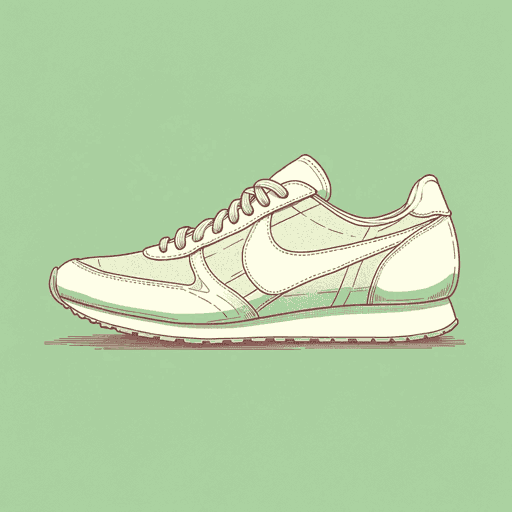
3. Otie believes the Air Jordan 3s hold a kind of magic that will transform him. What object from your own youth held a similar power or promise? Looking back, what do you think that object truly represented for you?
4. Have you ever felt pressure to cover up an embarrassing or uncomfortable moment, like Otie does with his “aerodynamic drag” explanation? What did that experience feel like, and what did you do in that situation?
5. What do you think makes a mentor like Coach Marvin or Mr. Crampton so effective in Otie’s life? Consider the different kinds of support they offer. Think about a time when guidance from a mentor made a significant impact on you.
Societal and Cultural Context
Examine the book’s relevance to societal issues, historical events, or cultural themes.
1. The book is deeply rooted in the culture of the late 1980s, from the rise of sneaker culture to the devastating impact of the crack cocaine epidemic. Which specific element of this historical setting, such as sneaker culture or the effects of drugs within the community, felt most impactful in shaping Otie’s coming-of-age story?
2. How does the novel portray the barbershop as a complex space for Black masculinity, where community and mentorship exist alongside danger and negative influences?
3. Reynolds anchors the story in the celebrity of superstars like Carl Lewis and Michael Jordan. What commentary does the novel offer on the power of these figures to shape the dreams and identities of young people? Do you think the influence of celebrity athletes has changed since the 1980s?
Literary Analysis
Dive into the book’s structure, characters, themes, and symbolism.
1. What do the Air Jordan 3s represent beyond just a pair of popular sneakers, and how does their meaning shift for Otie from a source of imagined transformation to a symbol of his father’s love and struggle?
2. How does the recurring motif of the time machine track Otie’s emotional development, evolving from an escape fantasy into a metaphor for personal agency and hope?
3. Is Big Otis a sympathetic character despite his deceptions and failures, and how does Reynolds build this complexity throughout the story?
4. What makes Otie’s first-person narration, with its recurring “moral of the story” chapter titles, so effective in capturing his journey from childhood innocence to a more mature understanding of the world?
5. In what ways does the athletics track function as a sanctuary governed by clear rules and measurable progress, creating a powerful contrast to the chaos of Otie’s home life and neighborhood?
6. The novel deals with the cyclical nature of trauma, showing how Big Otis’s career-ending injury led to his addiction. Do you think the cycle of trauma shown in the novel can be broken? Why or why not? Consider the roles of community and individual choice in your response.
Creative Engagement
Encourage imaginative and creative connections to the book.
1. Otie creates his own Olympic name, “C. L. McFly,” to embody his aspirations; if you were to create a champion’s persona for yourself, what would it be and why?
2. If you were Coach Marvin, what would you say to Otie the day after he learns the truth about his father to help him process the news?
3. Otie imagines designing a time machine shaped like a taxicab for his father; what object from your own life would you choose as a time machine, and which moment would you choose to visit, and why?

Get in-depth, chapter-by-chapter summaries and analysis from our literary experts.
- Grasp challenging concepts with clear, comprehensive explanations
- Revisit key plot points and ideas without rereading the book
- Share impressive insights in classes and book clubs
Related Titles
By Jason Reynolds