Coach
A modern alternative to SparkNotes and CliffsNotes, SuperSummary offers high-quality Study Guides with detailed chapter summaries and analysis of major themes, characters, and more.
Summaries & Analyses
Author Insights
Quizzes
NEWReading Tools
Themes
Content Warning: This section of the guide includes discussion of bullying, addiction, substance use, and graphic violence.
The Painful Disillusionment of Childhood Hero Worship
In Reynolds’s Coach, the move from childhood into adolescence appears in Otie Brody’s slow realization that his father, Otis Sr., is human and vulnerable, despite the unbreakable image Otie once attached to him. The novel follows 12-year-old Otie as he shifts from seeing his father as a source of absolute strength to recognizing the addiction that has shaped Otis Sr.’s life. This painful shift does not erase Otie’s admiration. Instead, it reshapes his idea of heroism. Maturity grows out of his effort to replace the old image of invincibility with a more grounded understanding of resilience built around honesty, treatment, and continued care.
At the start, Otie builds his idea of his father from heroic stories and from lies meant to shield him. Otis Sr., co-coach of the Defenders and best friend to the head coach, introduced Otie to the sport that frames his days. He is “Big Otis,” a “Glass Manor giant” (152) whose strength seems permanent. The family maintains this version through deceptions like the supposed “business trips,” which are actually visits to a rehabilitation facility. Otie’s father cuts his hair, offers guidance, and provides approval Otie craves. That image gives Otie comfort, but it stands on a foundation shaped by secrecy and Otie’s limited perspective as a child.
This picture collapses when Otie watches Biscuit, the local drug boss, humiliate Otis Sr. in public. Biscuit hits Otis Sr. in the face with a car phone during a drunken argument, leaving him bleeding on the sidewalk. From the doorway, Otie cannot believe what he sees because he had “never seen him get hit ever” and had never seen anyone challenge him at all (152). Otie reacts by chasing Biscuit’s car, a desperate attempt to restore the sense of order he associates with his father’s strength. The moment shows Otie that his father can be hurt, and the sight of him as “a faucet running red” pushes Otie into a reality he has never been asked to face before (152).
Later, Otie starts to put together a more accurate picture of his father. The change reaches its peak during the family meeting where the truth about Otis Sr.’s long-term crack cocaine addiction finally comes out. Otie learns that the locked “safe cabinet” protected household items because his father had tried to sell them. He first feels anger and betrayal, yet a difficult understanding starts to form. The goodbye at the rehabilitation center closes one stage of their relationship and opens another. Otie stops looking at his father as a flawless hero and begins to see him as a man in a hard fight. His quiet farewell, “Back to the future” (241), points toward support shaped by hope and honesty instead of the idealized image he depended on earlier.
Community and Sport as an Anchor Amidst Chaos
As Otie Brody deals with instability at home and difficult experiences outside it, the Defenders track team becomes a steady point in his life. In Coach, Reynolds shows how a structured group built around sport creates a place for guidance and belonging when support at home is uneven. The team becomes a strong support system that gives Otie discipline, a sense of stability, and a clearer sense of himself. The narrative links these bonds to the shared work the boys put in together and to the respect they build through repeated practice and shared effort.
The track gives Otie a controlled space that contrasts with the disorder at home. While his father’s presence shifts because of addiction and his mother works long hours, the routines at practice stay reliable. Coach Marvin builds these patterns through the huddles before practice and drills like the “everybody-everythinges” (47), which create a rhythm Otie can count on. On the track, Otie focuses on becoming a “Future World Champion” (1). The clear rules of running, where performance shows itself in seconds and effort leads to progress, feel very different from the emotional pressures he faces at home, including the arguments between his parents and the violent moment with Biscuit.
Coach Marvin stands at the center of this stability. As Otis Sr.’s closest friend, he is already connected to the family, yet the demands of Otis Sr.’s addiction push him into a closer mentorship with Otie. The coach greets the boys at the gate and repeats lessons about the team’s values: “Structure, discipline, and fun will defend against the gun” (43). He offers training and life advice, shown clearly when he explains that magic comes from the athlete, not the shoes. His calm, dependable guidance gives the boys a consistent example of discipline and responsibility, something they cannot always find elsewhere.
The friendships among the Defenders deepen this stability. Their shared greeting, “We here,” becomes a repeated way of marking their presence for one another (37). The closeness between Otie and Torrie shows this bond most clearly. When Otie shaves his head and eyebrows after a failed attempt to cut his own hair, Torrie goes to school the next day with the same haircut. He turns Otie’s embarrassment into the look of an “unusual duo” (73). Their teasing and protection of one another create a strong sense of mutual support that helps Otie build a sense of self shaped by these relationships, alongside the challenges he faces at home.
The Illusory Power of Material Status
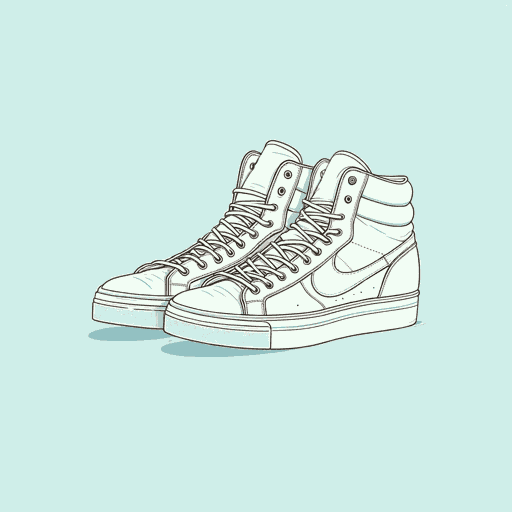
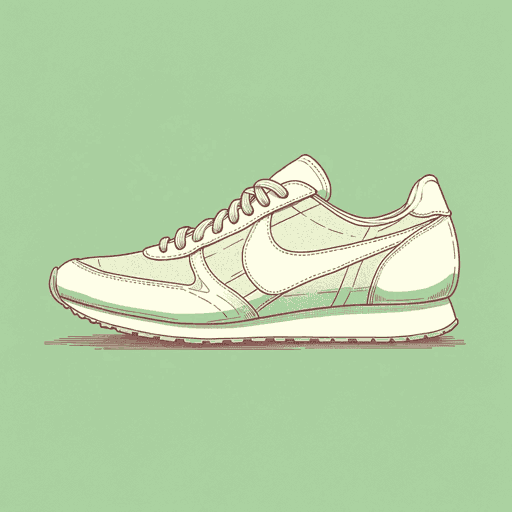
In Coach, Jason examines how material objects come to represent power through perception and belief, particularly through the symbol of the Air Jordan 3 sneakers. The novel shows how items tied to status and appearance can be understood as sources of power, even though that meaning is not fixed and depends on how they are seen and used. Otie Brody’s experience with the Jordans reveals that his sense of confidence shifts as he begins to reconsider how closely his ability is tied to the objects he associates with it.
At first, Otie sees the Air Jordans as a kind of magical gear. After watching his math teacher, Mr. Jefferson, appear to float in them, Otie imagines that the shoes contain a “flux capacitor” or “plutonium,” ideas drawn from his time-travel fantasies of a perfect future (171). He expects the shoes to help him jump farther and protect him from his bully, Quentin. In Otie’s mind, the sneakers offer a shortcut to the stronger version of himself he imagines, something he can wear as a way of becoming the version of himself he imagines.
The novel sets that fantasy beside the flashy lifestyle of the local drug dealers, the Clippers. They look “so fly” and display what Otie thinks of as success: “Clothes, girls, shoes, jewelry, haircuts” (62). Their leader, Biscuit, even drives a DeLorean like the car in Otie’s favorite movie. Yet their style hides the violence that funds it. Biscuit’s attack on Otie’s father over a small disagreement exposes the emptiness behind the wealth. The Clippers gain their money from selling drugs which links their appearance of success to actions that harm others and complicate how that success is understood.
Otie starts to grow as he begins to question how much of his confidence is tied to the objects he values. This shift becomes clearer after Otis Sr. sells the Jordans for drug money. Otie feels undone at practice and tells Coach Marvin he “felt better when I had on my Jordans” (222). Coach Marvin reframes this belief by saying, “maybe the shoes are magic because of the person. Your steps. Your work that makes the shoes go” (223). Otie then practices long jump through technique and effort focusing more on his movement and consistency than on the idea of the shoes themselves. His performance in the championship hundred-meter dash, achieved in his old track spikes, reflects this shift in how he understands his ability and the role he had earlier assigned to the shoes.

Unlock every key theme and why it matters
Get in-depth breakdowns of the book’s main ideas and how they connect and evolve.
- Explore how themes develop throughout the text
- Connect themes to characters, events, and symbols
- Support essays and discussions with thematic evidence
Related Titles
By Jason Reynolds