Coach
A modern alternative to SparkNotes and CliffsNotes, SuperSummary offers high-quality Study Guides with detailed chapter summaries and analysis of major themes, characters, and more.
Summaries & Analyses
Author Insights
Quizzes
NEWReading Tools
Character Analysis
Content Warning: This section of the guide includes discussion of addiction and substance use.
Otie Brody (Otis Raymond Brody Jr.)
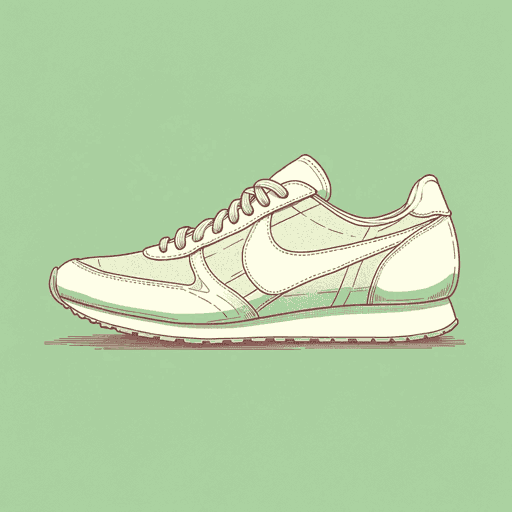
As the protagonist and first-person narrator of the novel, Otie Brody’s journey from insecurity to understanding forms the core of the narrative. His character is defined by a vivid imagination that often serves as a form of escapism. Otie frequently dreams of owning a time machine, drawing various versions of one, including a school desk, sneakers, and even a fortune cookie. This recurring motif of time travel represents his deep-seated desire to control his reality, either by rewinding to fix past embarrassments or fast-forwarding to a future where he is an Olympic champion. This fantasy life provides a refuge from the anxieties of middle school and the unspoken turmoil within his family. His fascination with the film Back to the Future and its DeLorean time machine is a central symbol of his yearning to escape powerlessness and reshape his own narrative.
Otie’s impressionability and insecurity make him acutely vulnerable to the social pressures of adolescence. He is deeply wounded by Quentin Carswell’s public mockery of his hairline, a catalyst that leads him to disastrously attempt to give himself a haircut with a razor. This act highlights his desperation for peer acceptance. This same vulnerability makes him susceptible to the allure of materialism, as he comes to believe that owning a pair of Air Jordan 3s will grant him magical athletic abilities and protect him from ridicule. This conviction reflects the theme of The Illusory Power of Material Status, portraying a youthful belief that external symbols can solve internal problems. His initial character is marked by this search for quick fixes, whether through a pair of sneakers or a fantastical machine.
Despite these vulnerabilities, Otie demonstrates resilience and a growing capacity to reassess his beliefs. The discipline and community he find on the Defenders track team provide him with a foundation of self-worth independent of material possessions or others’ opinions. His most significant transformation, however, is spurred by the revelation of his father’s addiction. This painful discovery shatters his childhood idealization of his father, forcing him to confront a complex and heartbreaking reality. Otie moves through anger and confusion toward a more mature empathy, learning to see his father as a flawed and struggling human being. This emotional journey is central to the theme of The Painful Disillusionment of Childhood Hero Worship. By the novel’s end, Otie’s understanding of strength shifts toward an emphasis on internal fortitude, and his hopeful whisper of “Back to the future” (241) at his father’s rehab center signifies his ability to repurpose his escapist fantasies into a tool for genuine hope and love.
Otis Brody Sr. (Big Otis)
Otis Brody Sr., or Big Otis, is a complex character who functions as Otie’s flawed hero. On the surface, he is a charismatic and respected figure in the community, known for his past athletic prowess and his role as a coach for the Defenders. He is quick with a joke and dispenses fatherly advice, often framed as “the moral of the story” (1). This persona, however, is a carefully maintained facade that conceals a long and painful struggle with substance use disorder. His frequent “business trips” are revealed to be stays at a rehabilitation facility, a secret he and his wife keep to protect Otie. This duality reflects the gap between his public image of strength and his private struggle with shame and illness. His ability to charm and deflect is both a survival mechanism and a source of the deep-seated deception that ultimately unravels the family.
Otis Sr.’s identity and struggles are inextricably linked to his past. A former track star with Olympic potential, his dreams were cut short by a severe back injury from a car accident. This unresolved trauma is the root of his addiction, which began as an attempt to manage chronic pain. The story of his 9.93-second hundred-meter dash, a time that would have made him a legend, serves as a constant reminder of his lost glory. He lives vicariously through Otie and the Defenders, pouring his knowledge and passion for the sport into coaching. Yet, his profound disappointment resurfaces when he learns Carl Lewis has bested his unofficial time, revealing how deeply he is still tethered to his past. This inability to reconcile who he was with who he has become fuels the cycle of his addiction, highlighting the gap between earlier potential and current reality.
Beneath the layers of deception and personal failure, Otis Sr. is a deeply loving and vulnerable father. His actions, though often misguided, stem from a desire to connect with and provide for his son, as seen when he gifts Otie the Air Jordan 3s. The character’s turning point comes with his confession to Otie, where he strips away all pretense and admits his vulnerability. “If they junkies, I’m one too,” he tells his son (238). “But that don’t mean I ain’t a person. That don’t mean I can’t fight and love and try” (238). This moment of raw honesty, while devastating for Otie, allows for the possibility of a more authentic father-son relationship built on understanding and acceptance. His decision to return to rehab at the end of the novel marks a deliberate step toward recovery and responsibility, demonstrating his commitment to fighting for himself and his family.
Sonya Brody (Ma)
Sonya Brody, Otie’s mother, serves as the family’s resilient and protective anchor. She maintains stability in a household affected by addiction, where her primary role is to sustain order and protect her son. Her strength is quiet but formidable. She works a draining telemarketing job, manages the family’s emotional and practical needs, and enforces rules designed to shield Otie from harsh realities. Her refusal to let Otie visit the local barbershop, fearing the “grown” talk (22), and her creation of the locked “safe cabinet” to protect valuables are direct manifestations of her protective instincts. The cabinet itself reflects her efforts to preserve a sense of normalcy and safety within unstable circumstances.
While Sonya is complicit in hiding her husband’s addiction from Otie, her motivation is rooted in a desire to preserve her son’s innocence for as long as possible. She carries the emotional burden of her husband’s illness, navigating his relapses and rehab stints while presenting a brave face to the world. She dispenses practical wisdom to Otie, reminding him that true strength is internal and that words can be as damaging as physical blows. Her love for her husband is unwavering, even in the face of his destructive behavior. She supports his recovery but is also firm in her resolve to protect her son, reflecting the strain of managing care, responsibility, and protection within the family.
Torrie Cunningham
Torrie Cunningham is Otie’s best friend and plays a central supporting role in his development, functioning as a loyal companion whose presence highlights key aspects of Otie’s character. His defining trait is his unwavering loyalty. Otie experiences self-doubt, and Torrie shows a bold, if sometimes goofy, confidence. His most significant act is shaving his head and eyebrows in solidarity with Otie, a gesture that reflects a level of empathy and maturity beyond typical adolescent behavior. This act ensures Otie does not have to face his bullies alone and visibly reinforces the support system Otie depends on. Torrie’s belief in Otie’s far-fetched “aerodynamics” excuse further reinforces his role as a non-judgmental and supportive friend.
As a fellow sprinter on the Defenders, Torrie is a key figure in the novel’s exploration of Community and Sport as an Anchor Amidst Chaos. The track team becomes a surrogate family, and Torrie is positioned as a steady peer within that structure. He and Otie share a friendly rivalry that pushes them both to excel, while their relationship remains grounded in mutual support. His consistent presence provides Otie with a sense of normalcy and belonging that is often absent in his home life. Torrie’s role remains steady throughout the narrative, and his consistent support contributes to Otie’s emotional development.
Coach Marvin
Coach Marvin provides structure, discipline, and steady guidance for Otie and the other boys on the Defenders track team. His role centers on being a consistent and reliable presence in the boys’ lives, offering the stability that Otie’s own father struggles to provide. The athletics track is his sanctuary, a space governed by clear rules where effort yields reward. He is the co-founder of the team, alongside Otie’s father, and his oft-repeated motto, “Structure, discipline, and fun will defend against the gun” (43), encapsulates his philosophy of using sport as a tool for mentorship and community building. He teaches not only the technical aspects of running but also crucial life lessons about self-worth, famously telling Otie that it is the person who makes the shoes magic, emphasizing effort and personal responsibility. His deep friendship with Otis Sr. gives him a unique insight into the Brody family’s struggles, allowing him to offer guidance and support to Otie when needed.
Biscuit
Biscuit serves as the primary antagonist, embodying the violence and moral corruption of the neighborhood’s drug trade. As the leader of the Clippers crew, he represents a dangerous form of power that contrasts with the values of discipline and integrity promoted by the Defenders. His nickname, “Biscuit the Barber” (148), hints at a legitimate past that has been abandoned for a more lucrative, criminal enterprise. The pivotal scene in which he brutally assaults Otis Sr. with a car phone reveals his capacity for sudden, casual violence and serves as the catalyst for the destruction of Otie’s idealized image of his father. Biscuit’s ownership of a DeLorean, a vehicle Otie associates with heroic fantasy, highlights how symbols of status and power can be reshaped through context and use.
Quentin Carswell
Quentin Carswell is a minor antagonist whose role is to catalyze the novel’s initial conflict. As the seventh-grade class clown, his taunts about Otie’s hairline, born from artistic jealousy, trigger Otie’s deep-seated insecurities about his appearance and social standing. This bullying directly leads to Otie’s disastrous attempt to cut his own hair, setting in motion key developments in Otie’s self-perception and his search for acceptance. Quentin represents the casual, thoughtless cruelty that can define adolescent social dynamics, functioning as a source of external pressure that shapes Otie’s responses.
Goose (Gordon)
Goose, whose real name is Gordon, is Otie’s other best friend and reflects the risks faced by young people in his environment. He is caught between his friendship with Otie and the pull of street life shaped by his older brother, Poor Baby, and the Clippers crew. He functions as an errand boy for the gang, placing him in a precarious position. His stutter signals his anxiety within this high-pressure environment. Goose’s secret desire to join the track team reveals his internal conflict and his longing for an alternative path. He highlights the difficult choices and pressures faced by young men in his community.
The Defenders
The Defenders, as a collective group including characters like Paul, Laundry, Dennis, DeAndre, and Bernard, function as a found family for Otie. Their collective presence is essential to the novel’s exploration of community. They represent the surrogate brotherhood that offers Otie the support, camaraderie, and structured environment he lacks at home. Their shared goals and experiences on the athletics track create a strong sense of belonging that exists alongside the instability of his family life and the pressures of the neighborhood. The team embodies the central argument of Community and Sport as an Anchor Amidst Chaos, demonstrating how positive peer relationships and dedicated mentorship can provide support for young people navigating difficult circumstances.

Unlock analysis of every major character
Get a detailed breakdown of each character’s role, motivations, and development.
- Explore in-depth profiles for every important character
- Trace character arcs, turning points, and relationships
- Connect characters to key themes and plot points
Related Titles
By Jason Reynolds