Coach
A modern alternative to SparkNotes and CliffsNotes, SuperSummary offers high-quality Study Guides with detailed chapter summaries and analysis of major themes, characters, and more.
Summaries & Analyses
Author Insights
Quizzes
NEWReading Tools
Symbols & Motifs
Content Warning: This section of the guide includes discussion of addiction and substance use.
The Air Jordan 3s
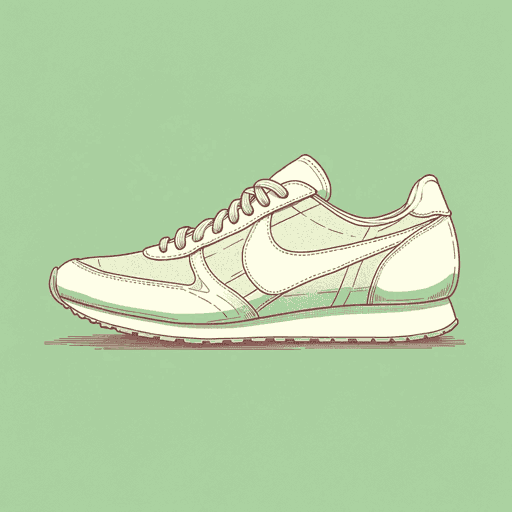
The Air Jordan 3s are a symbol of the theme of The Illusory Power of Material Status, revealing how objects associated with status appear to offer power but fail to sustain it. Initially, Otie views the sneakers as a magical object capable of transforming his identity, believing they will grant him athletic prowess and protect him from ridicule. When he first tries them on, he feels an immediate sense of power, exclaiming, “I can feel the fly in these. I can feel the air” (112). This reaction shows his childlike faith that an external object can solve his internal insecurities. However, the novel gradually exposes the limits of this belief. The shoes are immediately locked away in the “safe cabinet,” a symbol not of protection for Otie’s valuables but of his mother’s desperate attempt to keep them from his father’s addiction. This connection reveals that the coveted status symbol is closely tied to the family’s deepest shame. Ultimately, his father’s attempt to sell the sneakers for drug money removes their perceived power. Coach Marvin provides the crucial lesson that counters Otie’s materialism: “Maybe the shoes are magic because of the person. Your steps. Your work that makes the shoes go” (223). This moment reinforces the idea that the power Otie attributes to material objects is illusory, and that ability develops through effort and practice.
Time Machines
The recurring motif of time machines reveals Otie’s desire to escape the instability around him, particularly the powerlessness and pain of his present reality. Introduced on the novel’s first page, his desire for a time machine is a coping mechanism for navigating the complexities of his father’s addiction and his own social anxieties. He wishes he could “Fast-forward straight to the future” (1) to a time when he is a celebrated champion, or rewind to correct past humiliations. This fantasy of control over his own narrative shows how he tries to manage situations where he lacks stability, linking to the theme of Community and Sport as an Anchor Amidst Chaos, where structured spaces like the track eventually provide a more reliable way of dealing with uncertainty. His drawings, particularly of the DeLorean from Back to the Future, represent the idealized form of this escape. However, this fantasy is disrupted when a real-life DeLorean appears, driven by the violent drug dealer Biscuit. The car, which Otie associates with heroic adventure, becomes the site of his father’s humiliating assault, turning the imagined escape into a reminder of the instability he cannot avoid. The motif culminates not in a mechanical fix but in an internal realization. His father’s advice, “You don’t need money to buy you a time machine, Otie. You got legs” (199), reframes his thinking, suggesting that movement forward depends on effort, shifting his focus toward discipline and consistent action, reinforcing how Otie gradually relies on structured routines and practice.
9.93
The number 9.93 recurs throughout Coach as a motif that tracks Otie’s shifting understanding of his father’s identity and legacy. It connects to the theme of The Painful Disillusionment of Childhood Hero Worship, as Otie moves from admiration toward a more complex understanding of his father. Initially, Otie and Torrie inscribe 9.99 on their palms before each race to honor Carl Lewis’s 1984 Olympic time. But when Coach Marvin reveals that Big Otis once ran “a 9.93, but no one was there but me and our coach to see it” (173), the number reframes Otie’s father as someone who once surpassed his son’s greatest hero. The detail that no one witnessed the feat is significant: Like the addiction the family conceals behind “business trips,” Big Otis’s greatest athletic achievement exists in shadow, known only to those closest to him.
As Otie discovers his father’s crack addiction and the car accident that ended his career, 9.93 accumulates new meaning. It becomes a measure of speed and loss, marking the distance between who Big Otis was and who circumstances forced him to become. At the championship meet, Otie and Torrie shift from writing Carl Lewis’s number to writing Big Otis’s, holding up their palms with 9.93 “for my dad” (244). This gesture transforms the number from private legend into public tribute, honoring a man whose potential was real even if it went unrecognized by the wider world.
When Carl Lewis runs a 9.92 at the 1988 Olympics, Big Otis erupts in anger, revealing that the number still anchored his sense of self. Its erasure forces both father and son to reconsider identity, showing how Otie moves away from an idealized image of his father toward an understanding shaped by resilience and lived experience, consistent with the novel’s exploration of disillusionment and maturity.

Unlock the meaning behind every key symbol & motif
See how recurring imagery, objects, and ideas shape the narrative.
- Explore how the author builds meaning through symbolism
- Understand what symbols & motifs represent in the text
- Connect recurring ideas to themes, characters, and events
Related Titles
By Jason Reynolds