Coach
A modern alternative to SparkNotes and CliffsNotes, SuperSummary offers high-quality Study Guides with detailed chapter summaries and analysis of major themes, characters, and more.
Summaries & Analyses
Author Insights
Quizzes
NEWReading Tools
Chapters 11-16Chapter Summaries & Analyses
Content Warning: This section of the guide includes discussion of bullying, addiction, substance use, and graphic violence.
Chapter 11 Summary: “The Moral of the Story Is: For a Future World Champion, Spaghetti and Compliments Are the Best Fuel”
When Sonya asks what happened to her husband’s nose, Otie tries to change the subject, but Sonya pieces together the Saturday night incident on her own. Big Otis calls Otie a snitch anyway, and Otie ends up sleeping on the couch.
On Sunday, Sonya and Otie attend Good Samaritan Baptist Church while Big Otis sleeps in. Mario and his mother are also there. Mario tries to sit near them and mouths an apology to Otie, but Sonya actively avoids him by changing pews. During the service, members of the congregation respond emotionally, and Pastor Austin briefly comments on Otie’s haircut. After returning home, Sonya still does not speak to Big Otis.
Back home, Big Otis cooks spaghetti for dinner, and Sonya responds positively, inviting Goose over. At dinner, Sonya initiates their Sunday question tradition, asking everyone to share a secret. Sonya reveals she wanted to voice animated characters. Otie reveals that in his Olympic dream, all the other racers were also him. Goose admits he sometimes thinks about joining the track team. Big Otis refuses to share, blaming his sore nose.
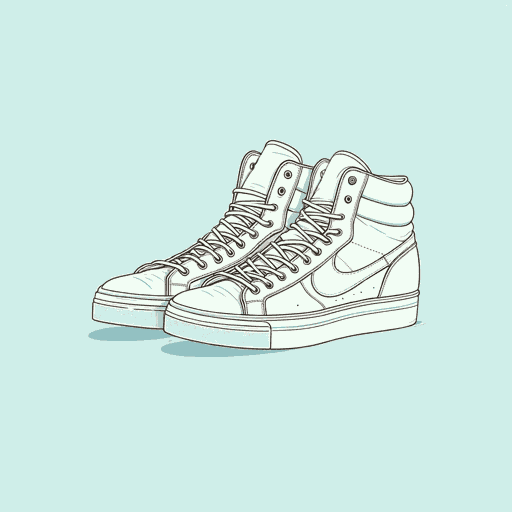
On Monday morning, Otie begs to wear his Air Jordans to school. Sonya worries they make him a target, but Big Otis supports Otie’s request, and she eventually allows it. At school, even Quentin treats him better, distracted by the shoes.
Otie wears the Jordans to practice. Inspired by seeing Carl Lewis compete in the long jump, Otie asks Coach Marvin to let him try the event. Coach tells him to check with Big Otis first. Big Otis is initially resistant but agrees on the condition that sprint training remains the priority. Otie privately believes the shoes’ air bubble will help him jump like a time-travel flux capacitor.
Chapter 12 Summary: “The Moral of the Story Is: Future World Champions Can Be Bad at New Things, and Current Old Men Can Be Good at Old Things”
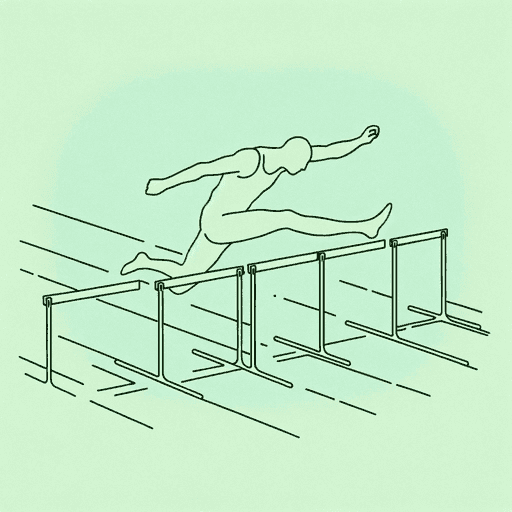
Coach Marvin shows proof of his past success with newspaper clippings and takes Otie aside for long jump training, mentioning that Big Otis once ran an unrecorded 9.93-second hundred-meter dash. Otie’s initial jumps into the sand are poor. Coach Marvin explains that the goal is to jump outward, not upward, emphasizing that long jump requires attention to steps and technique rather than just speed, and runs Otie through exhausting drills: power skips and bunny hops around the track, then a two-box drill to teach timing and rhythm. He introduces the concept of the penultimate step—the second-to-last step before takeoff, used to drop the hips and load up for the jump. To demonstrate, Coach Marvin performs a full-speed long jump, landing on his backside, which he claims is part of the technique.
The demonstration draws Big Otis’s attention, and he notices Otie is wearing the Jordans. He approaches angrily and demands to know why Otie is wearing the expensive sneakers to practice. Coach Marvin responds by challenging Big Otis to a hundred-meter race for fifty dollars. Otie acts as the starter. Big Otis easily wins, but after crossing the finish line, he is completely exhausted and sits down before lying back on the track.
Chapter 13 Summary: “The Moral of the Story Is: Sometimes Dreams Come True When They Don’t Come Through, Especially if You Get a Fresh Cut Out of the Deal”
Coach Marvin drives the sore and barely mobile Big Otis home from practice. At home, Big Otis walks Otie through cleaning the Jordans. When Otie asks about the creases, Big Otis tells him some deeds cannot be undone. That night, Otie tries to “charge” the Jordans by squeaking them in the kitchen, but Sonya refuses to let him keep them on and sends him to bed.
On the next morning, Big Otis wakes Otie and takes him to the barbershop after mentioning that he appreciates Otie helping clean up the blood after Saturday’s fight. At the barbershop, Otie recognizes a photo of Rashida and Rashonda Boone and realizes their barber, Booney, is their father. Big Otis pays for his fade with the fifty dollars he won from Coach Marvin.
On the walk to school, Big Otis tells Otie that Mr. Anderson did not select him for the Junior Olympics, but encourages him, saying his legs are a time machine that will carry him to next year’s competition. Otie admits he wishes he could go back and run the race again, but Big Otis reassures him that he will have another chance. Torrie was selected.
At school, teachers react positively to Otie’s new look, and Mrs. Tannerbaum announces his time-machine drawing will be the yearbook cover. After school, Otie and Torrie pass the barbershop where the Clippers are gathered. Otie feels sick and nervous and pulls Torrie away. At Mr. Charles’s store, Otie announces to Torrie and Goose that Torrie made the Junior Olympics team. Torrie is thrilled and leaves to tell his grandmother.
Otie stays to help Mr. Charles move boxes. Mr. Charles shows Otie a framed five-dollar bill from Biscuit, explaining that he paid Biscuit to keep troublemakers away from the store, and asks Otie to tell Sonya he needs to speak with her.
Chapter 14 Summary: “The Moral of the Story Is: Even Future World Champions Lose Things and People, but They Find Things Too, like Sand in Their Shorts”
On his way home, Otie walks slowly, hoping people will notice him, and encounters Ms. Larita, playing along with her imaginary basketball game. At home, he finishes his homework, eats the rest of his sandwich, and puts his sneakers on with his pajamas, theorizing that sleeping in them will charge them. He wakes in the night to find his father removing the sneakers from his feet.
The next morning, Otie discovers both his father and the sneakers are gone. He goes to school in his old Converse, feeling less “big” and unsettled, with a lump of worry about his father. Quentin taunts him about his shoes and makes a remark about Sonya, and Otie snaps and slams Quentin against the lockers until Torrie intervenes.
At track practice, Big Otis is still absent. Without his Jordans, Otie brings a bad attitude to long jump work. Coach Marvin confronts his shoe superstition directly, explaining that the athlete’s skill makes the shoes special, not the other way around—Michael Jordan was great before he had his signature shoes. As practice continues, Otie gradually refocuses on the drills and techniques. Coach explains meet rules: avoid takeoff-line faults, you get three measured attempts, and land butt-first without throwing hands back, since the nearest break in the sand counts as your distance. As he continues practicing, Otie focuses on timing and technique.
Chapter 15 Summary: “The Moral of the Story Is: Future World Champions Need Coaches That Got Coaches, and Everybody Needs Practice Being Themselves Because the Best Never Rest”
After practice, Coach Marvin confirms that Torrie and Dennis were selected for the Junior Olympics, noting that Mr. Anderson was impressed with the entire team. Otie is met outside by Mr. Crampton, the cabdriver, who hears that Big Otis removed Otie’s shoes during the night and has not returned home, and turns the ride into a search after realizing he may know where Big Otis is. They find Big Otis outside a gas station, looking disheveled and holding Otie’s sneakers. Mr. Crampton speaks with Big Otis, who admits whatever he had is gone. He gets into the back of the cab with Otie, gives him the shoes, and admits he is not okay.
A family meeting is held at the Brody apartment with Otie, Sonya, Big Otis, and Mr. Crampton. Big Otis confesses the truth about his past. While he and Marvin trained for the 1972 Olympics, their car was hit on Otis’s side, wrecking his back and ending his Olympic dream. A barber offered him a drug for the pain, and he became addicted. He sold things from the house to fund it, which is why Sonya installed the safe cabinet, and he has not worked in a long time, leaning on coaching for purpose and to fight the addiction. Mr. Crampton reveals that Big Otis’s work trips were stints in rehab and that he is Big Otis’s sponsor. Otie asks if his father was going to sell the sneakers. Big Otis admits he was, saying he almost did but did not, because the creases showed they belonged only to Otie.
The family and Mr. Crampton drive Big Otis to Tomorrow’s Brand-New Rehabilitation. Otie hugs his father goodbye, whispering to him about going back to the future.
Chapter 16 Summary: “The Moral of the Story Is: Whether in the Past or in the Future, a World Champion Knows He’s a Champion Now (On the Living Room Couch)”
On the way home, Otie cries for his father, continuing to cry as they pass familiar places in the neighborhood. He asks Sonya to put the Jordans in the safe and to shave his head bald again, this time leaving the eyebrows.
Big Otis misses the championship meet. At the meet, Otie wins first place in the hundred-meter dash. He also makes his first attempts at the long jump, finding them difficult but enjoyable, and tries jumping in different footwear, including his Jordans, spikes, and barefoot; his best attempt is barefoot but results in a fault, and his teammates and Coach still cheer him on. Torrie comes in second in the hundred-meter dash, and he and Otie hold up their hands with 9.93 written on their palms in tribute to Big Otis.
Big Otis also misses Otie’s thirteenth birthday, where Otie celebrates with Sonya, Torrie, and Goose at Golden Palace and shares a secret during their game, and misses Quentin being beaten by the Boone sisters after insulting Rashida. He also misses Torrie and Dennis returning from the Junior Olympics with gold medals. He returns home in time for the Summer Olympics, which the family watches together with Mr. Crampton. When Carl Lewis finishes the hundred-meter dash with a time of 9.92 seconds, Big Otis is upset that the time is faster than his own unofficial record and reacts strongly, saying he does not want to watch the Olympics unless Otie is competing. He briefly leaves the room and later returns while the long jump is being shown. Later, the family watches Carl Lewis win gold in the long jump.
Sonya tells Otie she believes he will make it to the Olympics, and that if not, he would be a great coach. She suggests he could also design a time machine to take his father back to before the accident. Otie decides he would design the time machine to look like a taxicab.
Chapters 11-16 Analysis
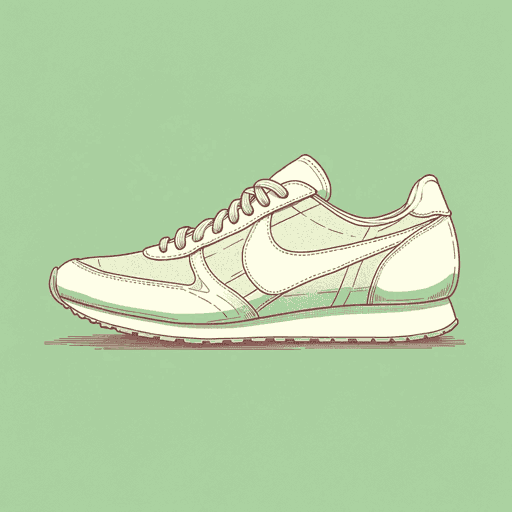
The final chapters show a shift in Otie Brody’s reliance on external talismans to shape his sense of identity, developing the theme of The Illusory Power of Material Status. The novel uses the Air Jordan 3s as a key object through which Otie understands confidence and ability. Initially, Otie sleeps in the sneakers and attempts to charge their air bubbles, convinced they will magically grant him the ability to execute the long jump. This physical object becomes a source of reassurance for Otie as he deals with peer pressure and uncertainty at home. This belief is challenged when Otie discovers his father nearly sold them while struggling with his addiction. The fact that Sonya locks the sneakers in the family’s safe cabinet connects the shoes to ongoing tensions within the household. As Otie spends time away from the shoes, he begins to rely more on his own effort during training and competition. Coach Marvin supports this shift by explaining that an athlete’s ability and practice give meaning to the footwear. When Otie trains and competes without depending on the Jordans, he begins to understand that performance is shaped by effort and technique.
As Otie’s material fantasies become less central to how he understands success, his view of progress begins to change, a shift shown through the recurring pattern of temporal escape. Throughout the narrative, Otie treats a time machine as a mechanism to bypass adversity, associating it with the DeLorean from his favorite film. The fantasy of skipping ahead to becoming a champion helps him manage moments where he feels uncertain or frustrated at home. The pattern becomes clearer when Big Otis reframes the concept, telling his son, “You don’t need money to buy you a time machine, Otie. You got legs” (199). This advice encourages Otie to connect progress with his own physical effort, linking improvement to training and practice. By the novel’s conclusion, Otie moves away from focusing on the DeLorean image, which he has also seen associated with Biscuit. Instead, he envisions a time machine shaped like Mr. Crampton’s taxicab. This revision suggests a shift in how Otie imagines movement through time, as he begins to associate progress with familiar, everyday experiences connected to people he trusts.
Otie’s changing perception of time machines parallels his evolving understanding of his father. The revelation of Big Otis’s struggles brings greater clarity to Otie’s understanding of his father’s behavior, engaging with the theme of The Painful Disillusionment of Childhood Hero Worship. The barbershop is presented as a place connected to key moments in Big Otis’s past, including where he was first introduced to drugs following his injury, and it contributes to Otie’s growing awareness that his father’s life is more complicated than he had understood. The family meeting reveals the truth about Big Otis’s supposed work trips, showing that they were stays in a rehabilitation facility. This disclosure challenges Otie’s earlier perception of his father as consistently strong and dependable. Otie responds with confusion and emotion as he processes this information, while Sonya emphasizes that his father is dealing with an illness rather than reducing him to a label. This moment marks a shift in how Otie understands his father, as he begins to recognize his vulnerability. When the family drops Big Otis off at the treatment center, Otie accepts this situation while continuing to care for his father, showing a more developed awareness of his circumstances.
As Otie adjusts to changes at home, the athletics track functions as a stabilizing force, reinforcing the theme of Community and Sport as an Anchor Amidst Chaos. The track provides a structured setting based on training routines and clear expectations, which Otie begins to rely on as part of his daily experience. Coach Marvin plays a central role in this environment, imparting technical knowledge that also helps Otie focus on improving through practice. When teaching the long jump, Coach Marvin introduces the penultimate step—the critical drop of the hips required before takeoff. This lesson in timing and rhythm guides Otie to pay attention to sequence and technique during training, showing that progress develops through repeated effort. Furthermore, Coach Marvin teaches Otie that landing on his backside is proper technique, demonstrating that mistakes and uneven landings are part of learning the event. The track also strengthens Otie’s connections with his teammates, evidenced when Otie and Torrie run the championship race with “9.93” inked on their hands. This shared tribute to Big Otis’s unofficial record shows how the team continues to acknowledge his influence. The track gives Otie a consistent space where he can continue training and participating with others, helping him stay focused as he responds to changes in his family situation.

Get in-depth, chapter-by-chapter summaries and analysis from our literary experts.
- Grasp challenging concepts with clear, comprehensive explanations
- Revisit key plot points and ideas without rereading the book
- Share impressive insights in classes and book clubs
Related Titles
By Jason Reynolds