Summaries & Analyses
Author Insights
Quizzes
NEWReading Tools
Book Club Questions
Content Warning: This section of the guide includes discussion of child abuse, emotional abuse, physical abuse, graphic violence, and death.
General Impressions
Gather initial thoughts and broad opinions about the book.
1. The reveal that Leila is Delilah and also Witness X completely reframes the story. How did this twist affect your experience of the novel? Did you find the clues leading up to it satisfying on a second look?
2. How did you react to the use of an unreliable narrator, especially once you realized the extent of Leila’s deception? Have you read other thrillers with similar narrative twists, like Gillian Flynn’s Gone Girl or Freida McFadden’s The Coworker? How did this book’s execution of that device compare for you?
3. What was your immediate response to Leila’s final line, “Guilty or not guilty? You decide” (398)? Do you think the open ending was an effective choice for the story, and why?
Personal Reflection and Connection
Encourage readers to connect the book’s themes and characters with their personal experiences.
1. The novel shows Leila operating outside the law because she believes the system is flawed. Think about a time you faced a situation where following the official rules felt counterintuitive or unjust. How did you handle that conflict, and how does your experience compare to the choices Leila makes?
2. Jack Millman remains fiercely loyal to Leila, even when it means risking a life sentence. What do you think drives that kind of devotion, and have you ever felt a loyalty that challenged your own self-interest?
3. Leila adopts a new persona to escape her past and reinvent herself professionally. What are your thoughts on creating a different version of yourself to fit into a new environment? Have you ever felt the need to adjust your own persona in a professional or social setting?
4. Throughout the trial, Leila and Julian’s professional rivalry erodes their personal relationship. What does this story suggest about the challenges of balancing ambition and competition with our closest personal bonds?
5. In your own life or career, what qualities have you found most valuable in a mentor? How do the different mentor figures in the novel, like the flawed but supportive Chester and the sabotaging Julian, reflect what you’ve observed?
Societal and Cultural Context
Examine the book’s relevance to societal issues, historical events, or cultural themes.
1. The guide highlights the class-based friction in the UK legal profession. In what ways did you see this dynamic play out in the courtroom and in Leila’s interactions with her more privileged colleagues? Where do you see similar social hierarchies at play in other professions today?
2. Anton Smythe uses his power as a judge to try to cover up his son’s crime, believing his status puts him above the law. Where do we see examples of powerful people using their influence to evade accountability in our own society? What does the novel suggest about the relationship between power and justice?
3. What are your thoughts on the central role of digital forensics, like cell site analysis, in the justice system? Did this story make you think about the digital trails we all leave behind and the ways they can be interpreted or manipulated?
Literary Analysis
Dive into the book’s structure, characters, themes, and symbolism.
1. What is the significance of “The Rules” that Leila lives by? How do these maxims, inherited from her abusive father, shape her actions and her cynical worldview?
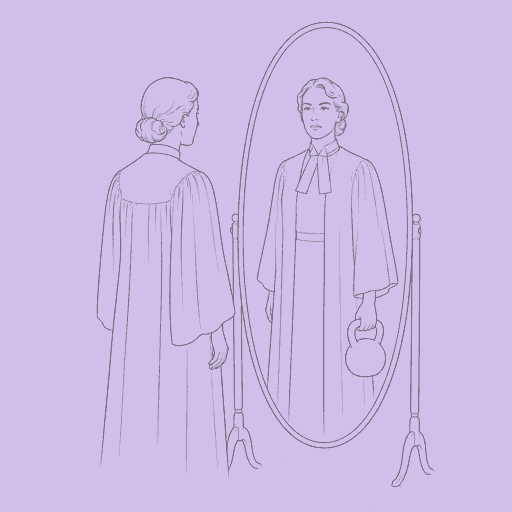
2. The ten-kilogram kettlebell is the murder weapon. How does the novel use this everyday object to explore the theme of deception, especially in the way both the prosecution and Leila construct opposing narratives around it?
3. What effect did the narrative structure, split between Leila’s perspective and the anonymous “Witness X” chapters, have on your reading experience? How did it build suspense and manipulate your understanding of guilt and innocence throughout the story?
4. How does Julian Kesler’s character embody the theme that deception is used to preserve social power? In what ways does his professional and personal hypocrisy contrast with Jack Millman’s personal code of loyalty?
5. The motif of cell phones appears repeatedly, from Jack’s missing phone to the tracker on Leila’s car. How do these devices function in the story to both conceal and reveal the truth, ultimately becoming central to both Leila’s deception and her downfall?
6. The book subverts the conventions of a legal thriller with its psychological thriller elements. How did you find this blend of genres? In what ways did it feel different from other courtroom dramas you might have read or seen, such as John Grisham’s A Time to Kill?
Creative Engagement
Encourage imaginative and creative connections to the book.
1. The novel ends before we learn the verdict of Leila’s trial. If you were on that jury, what would your verdict be, and what key pieces of her story would lead you to that decision?
2. Imagine you are casting a film adaptation of Dissection of a Murder. Who would you cast in the lead roles of Leila, Jack, and Julian, and what qualities make them the perfect fit?
3. If you were to write an epilogue that takes place five years after Leila’s trial, what would have happened to the main surviving characters?

Get in-depth, chapter-by-chapter summaries and analysis from our literary experts.
- Grasp challenging concepts with clear, comprehensive explanations
- Revisit key plot points and ideas without rereading the book
- Share impressive insights in classes and book clubs