Kiss of the Basilisk
Kiss of the Basilisk
A modern alternative to SparkNotes and CliffsNotes, SuperSummary offers high-quality Study Guides with detailed chapter summaries and analysis of major themes, characters, and more.
Summaries & Analyses
Author Insights
Quizzes
NEWReading Tools
Character Analysis
Content Warning: This section of the guide discusses sexual content, bullying, cursing, and violence.
Temperance (Tem) Verus
As the protagonist of the novel, Temperance Verus is a dynamic and round character whose journey from insecurity to self-actualization forms the narrative’s central arc. Initially defined by her low social standing as the “chicken shit girl” (4), Tem is plagued by feelings of inadequacy. She perceives herself as “dirty and unlovable” (5), a belief reinforced by peers like Vera. This deep-seated insecurity shapes her initial apprehension toward the training, as she believes she has no chance of winning the prince’s affection. Her occupation as a chicken farmer, a source of shame, ironically connects to a key basilisk weakness, the crowing of a rooster, foreshadowing her unique position between the human and basilisk worlds. Her humble upbringing on the edge of the forest places her physically and socially on the periphery, a position that informs her perspective as an outsider who is uniquely equipped to challenge the established order.
Despite her insecurities, Tem possesses an innate stubbornness and a defiant spirit that emerges when she is confronted with authority. In her first encounter with Caspen, she subverts the expected power dynamic by demanding, “You first” (19), when asked to undress. She similarly refuses to be cowed by Leo, despite the vast difference in their wealth and social standing. Tem repeatedly stands up for herself and asserts her own desires and needs. Notably, she comes to accept two key dualities: She is both human and basilisk, and she is simultaneously in love with two men. Both of these aspects of herself initially threaten and alarm Tem. She struggles to transition into her serpent form, and she spends a long time denying that she loves both Caspen and Leo. However, accepting both of these attributes is key to Tem’s growth as a character. When she crests herself at the wedding, she symbolically unites her basilisk and human sides, with one drawing strength from the other. Likewise, although she has to sacrifice her relationship with Leo, she does so as an act of love.
Caspenon (Caspen) Drakon
Caspen serves as a primary love interest. Initially, he presents a facade of controlled authority, fulfilling his duty to train the prince’s future wife. This control, however, is fragile. His intense emotional and physical reactions to Tem cause him to involuntarily transition, which is marked by the appearance of scales and an increase in his predatory nature. This physical transformation symbolizes the internal conflict between his civilized, human-like form and the primal, dangerous beast that lies just beneath the surface, a struggle that intensifies as his love for Tem grows.
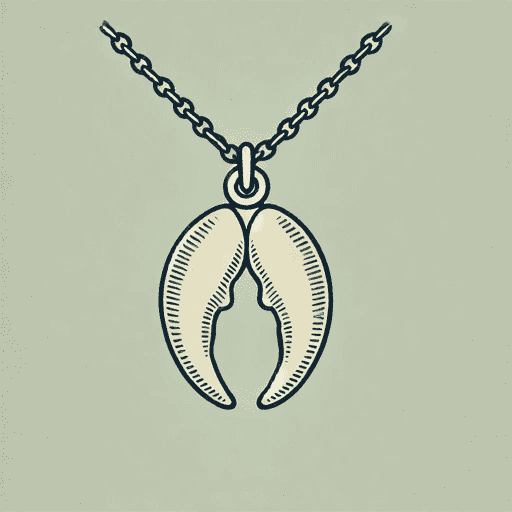
Beneath his powerful exterior, Caspen is a character marked by vulnerability and a deep capacity for love. His proposal to Tem and the creation of the claw, a magical object formed from his “very essence” (28), signify a profound and possessive bond that transcends his role as a teacher. His actions are often driven by a fierce, protective instinct. He retaliates violently against Jonathan and Christopher after they assault Tem and later confronts Rowe for his attempt to crest her. This possessiveness, while dangerous, is also an expression of his devotion. Caspen is consistently forced to choose between his feelings for Tem and the rigid traditions of his people, culminating in his defiance of his father, Bastian, to protect her. His love for Tem compels him to risk his status and safety, revealing that his deepest loyalty is to her, not to the crown or his quiver.
Thelonius (Leo)
Prince Leo functions as a key love interest for Tem and a foil to Caspen. He is a round and dynamic character who undergoes significant development from a seemingly superficial prince to a man of moral conviction. Initially, Leo embodies the archetype of the arrogant royal. He is introduced as entitled and flippant, treating the elimination process as a game and speaking to Tem with condescending familiarity. His interest seems rooted in physical attraction and the desire for a challenge, particularly as Tem defies his expectations. He admits his pursuit of Tem is partly fueled by a desire to anger his father, King Maximus, suggesting his actions are initially driven by rebellion rather than genuine affection.
However, Leo’s character gains complexity as his vulnerabilities are revealed. His strained relationship with his father and the painful history of his first love, Evelyn, expose a deep well of hurt beneath his princely facade. Leo’s candid confession about Evelyn, a girl his father rejected, shows his capacity for deep and lasting love. Unlike Caspen, who often conceals his past and motivations, Leo values honesty, telling Tem, “I’d rather you didn’t lie to me” (56). This desire for truth allows him to form a bond with Tem based on mutual vulnerability and respect. He is the first to see her as an equal, asking for her trust and offering his in return, even after learning she is a hybreed and has a deep connection to Caspen. His capacity for empathy is a distinctly human trait that sets him apart from the possessive, instinctual love offered by Caspen.
Vera
Vera is a flat and static character who serves as a primary rival and foil to Tem. She represents the conventional, superficial values of the village and embodies everything Tem initially believes she lacks: confidence, social standing, and sexual experience. From their first interaction, Vera establishes her superiority through gossip and condescending remarks, cruelly targeting Tem’s insecurities by calling her the “girl who tastes like chicken shit” (4). Her entire identity is built on gaining male attention and adhering to societal expectations of female desirability. Her constant need for an audience and her bragging about her encounters with boys contrast sharply with Tem’s quiet introspection and genuine search for connection. Vera’s role is primarily to highlight Tem’s initial low self-esteem and to act as a benchmark for Tem’s personal growth. As Tem gains confidence through her training and her relationships, she is finally able to stand up to Vera, subverting their established dynamic and marking a significant step in her own journey of self-acceptance. Vera also highlights why Leo is so attracted to Tem: with the latter, he experiences an intellectual equal and the prospect of a genuine partnership, whereas the former only offers shallow titillation.
King Maximus
King Maximus is the human king, father to Leo and Lillibet. He functions as an antagonist who tries to prevent Leo and Tem from falling in love. He views Tem as an unworthy peasant and conspires with Vera, demonstrating his preference for a bride who is easily controlled. Maximus’s actions are especially sinister and manipulative since it is revealed that he has meddled in Leo’s love life before, preventing an engagement between Leo and his first love, Evelyn (a girl from a working-class family). Maximus cares only for wealth and social position; he sanctions and celebrates the cruel exploitation of the basilisks since it provides the gold he relies on. He is willing to lie, conceal, and manipulate to get what he wants. Most damningly, while he repeatedly mocks Leo for not conforming to his standards of masculine authority, when an actual battle breaks out, Maximus flees to protect himself. He abandons any sense of responsibility to protect his family or his subjects. At the end of the novel, Maximus is humiliated by being imprisoned in the very castle dungeon where he once kept the basilisk.
King Bastian
Bastian is the leader of the Drakon clan, Caspen’s father, and the king of the basilisks. Bastian is ruthless in his drive for power. Before the main events of the plot, he triggered a feud between basilisk clans by seizing power in a coup and forcing Caspen to crest the previous king (Rowe’s father). He later devises a plan to use Tem as a weapon against the humans, viewing her not as a person but as a “resource for us all” (338). Bastian is also treacherous and manipulative: He enters Tem’s mind without her consent, and she realizes only at the last minute that he is planning to betray her after she crests the royals at the wedding. Nonetheless, Bastian does possess a certain sinister charisma: During the ritual, Tem must concede that she does feel an attraction to him and enjoys their sexual encounter. Bastian does not experience any growth or development; in fact, he doubles down on his treachery and schemes to seize power. He dies a gruesome death when Caspen eats him alive, reflecting his complete annihilation and the transfer of power to a new king.
Rowe Seneca
Rowe Seneca is a minor antagonist and a basilisk from the Seneca quiver. As a flat, static character, his primary motivation is revenge against Caspen for cresting and killing his father. His hatred for the Drakon family is palpable, and he sees Tem as a pawn in his conflict with Caspen. Rowe’s attempt to non-consensually crest Tem is an act of vengeance, intended to assert his dominance and punish Caspen by robbing the latter of what he loves the most. Rowe’s violent and impulsive actions trap him in an escalating cycle of conflict with Caspen, leading Caspen to mutilate him by tearing off his genitals. Due to Tem’s interventions, Rowe is still alive at the end of the novel, setting the stage for the conflict to continue.
Gabriel and Lilly
Gabriel and Lilly are flat, static characters who act as helpers and confidants to Tem and Leo, respectively. Gabriel is Tem’s loyal best friend, providing a crucial source of emotional support and comedic relief. He is one of the few people in the village who accepts Tem unconditionally, and their easy banter offers a glimpse into a world free from the pressures of royal and basilisk politics. He consistently encourages Tem and helps her navigate her insecurities. Similarly, Princess Lilly serves as a friendly ally to Tem within the castle. She offers candid insights into her brother, Leo’s, personality and the dynamics of the royal family, demystifying the prince and helping Tem see him as a person rather than just a title. Both characters provide their respective protagonists with a safe space to be vulnerable and offer perspectives that help them navigate their complex situations.

Unlock analysis of every major character
Get a detailed breakdown of each character’s role, motivations, and development.
- Explore in-depth profiles for every important character
- Trace character arcs, turning points, and relationships
- Connect characters to key themes and plot points