Kiss of the Basilisk
Kiss of the Basilisk
A modern alternative to SparkNotes and CliffsNotes, SuperSummary offers high-quality Study Guides with detailed chapter summaries and analysis of major themes, characters, and more.
Summaries & Analyses
Author Insights
Quizzes
NEWReading Tools
Part 1, Chapters 10-18Chapter Summaries & Analyses
Content Warning: This section of the guide discusses sexual content, sexual assault, death, violence and bullying.
Part 1, Chapter 10 Summary
Tem hears Caspen’s voice inside her mind and is relieved that they are now truly connected. When she asks if she did something wrong earlier, Caspen takes responsibility, admitting he lost control. Caspen confirms lessons will continue and that he is not angry with her; he explains that he has overstepped what he should have allowed between them but does not regret doing so. Before withdrawing, he promises to think of her constantly.
Back in her bedroom, Tem undresses while imagining Caspen watching. His presence reappears in her mind and he senses her arousal. Tem masturbates with the claw’s pulsations, experiencing both her own and Caspen’s arousal and pleasure within her mind.
The next morning, Gabriel delivers a royal invitation requesting Tem’s presence at a formal group dinner that evening. Tem is confused about whether Leo may be using her to anger his father, and sad that she will miss an evening with Caspen. Three dresses arrive: a silver one, a deep purple one with a revealing neckline, and a modest black dress with a high neck and long sleeves. Recognizing Leo’s attempt to give her agency, Tem chooses the black dress, hoping to tease him by concealing her body.
Part 1, Chapter 11 Summary
At the castle, Tem assembles with the other competitors, including Vera. Vera reveals they will be participating in the “Frisky Sixty”—a tradition where each girl spends 60 seconds alone with the prince, expected to undress. Tem feels indignant, suspecting Caspen withheld this information. During dinner, Tem hears the disembodied voice again, warning her not to trust King Maximus. Leo touches Tem’s thigh through her dress slit and requests a kiss. When she refuses, he threatens to kiss someone else, prompting jealousy. As girls take turns with Leo, Tem realizes she cannot undress because the claw inside of her would be exposed.
She mentally contacts Caspen, explaining the situation. He causes the claw to vanish, using magic, but seems indifferent to Tem’s nerves and insecurity, telling her that it is her duty to impress the prince. Tem enters the room where Leo is waiting; the two of them banter flirtatiously, with Tem refusing to remove any clothing. Tem leverages his desire, arguing he would marry her just to see her naked. Tem and Leo kiss passionately, and he caresses her, spending longer than the allotted 60 seconds with her. When Tem leaves the room, Leo confirms she will remain in the competition.
Part 1, Chapter 12 Summary
The next day, Tem’s village prepares to celebrate the autumn festival commemorating the basilisks’ defeat. There are rumors that Leo will also undergo the ceremony known as the Passing of the Crown, wherein his father publicly acknowledges his future state as king (although Leo will not assume political power until he marries). As evening falls, Tem is walking alone through the woods when two local boys, Jonathan and Christopher confront and sexually assault her. Tem escapes and flees to the cave.
When Tem explains the assault to Caspen, he demands the names of the boys. Caspen comforts her, and for the first time, takes her to the chamber where he lives when he is not training her in the upper section of the cave. As they look around, Tem notices a mirror, and Caspen explains that the gaze of a basilisk is not dangerous when they are in human form. He points out that he frequently looks at her when they meet during their training. Tem realizes that the mirrored wall that supposedly protects the village is useless. If the basilisks wanted to, they could invade the village at any time by entering in their human form. Tem enjoys their tender and intimate conversation but worries about Caspen’s plans to get revenge on the boys who assaulted her. She pleads with him not to punish them, but he tells her it is none of her concern.
Part 1, Chapter 13 Summary
Caspen continues to praise and soothe Tem. When she still resists his compliments, Caspen uses magic to pull her consciousness into his perspective, allowing her to see herself through his eyes and experience his overwhelming desire. She perceives his protective instinct, his need for her, and understands that he genuinely adores her. They begin pleasuring one another, and Caspen’s tongue splits into a distinctive, snake-like fork. Their mental connection adds new intimacy and pleasure to their sexual activity. Caspen states that he wants to progress to having intercourse, and Tem agrees.
Part 1, Chapter 14 Summary
Tem and Caspen have ecstatic sex, and because of their mental connection, she can feel his joy and pleasure in her own mind. Eventually, Tem becomes tired and sore, but she is hesitant to stop, fearing she will disappoint Caspen. Caspen assures her he is satisfied, but Tem asks if he would prefer a fellow basilisk, who could match his stamina. Caspen uses his power to suppress her desire, fearing that she will hurt herself with her insistence on continuing to have sex. Tem accuses him of abusing his power, demanding he restore her feelings and promise never to manipulate them again.
After Caspen restores her desire, they have sex again. This time, Tem is frightened by his physical power and the force of his desire. Afterward, Caspen apologizes, explaining that his lust for Tem makes it hard for him not to lose control and hurt her. Tem asks why his transformation happens during sex. Caspen explains basilisks and humans are incompatible. His human form craves pleasing her while his true form craves hurting her. He confesses some part of him enjoys causing her pain.
Tem spends the night with Caspen and in the morning, after having sex again, Caspen produces a second claw fashioned out of both their fluids. Tem inserts it and prepares to return to the village for the festival; she is embarrassed when she brings it up to Caspen, but he says he does not hold her responsible for ancestral sins. Tem returns home and eventually goes to the village square for the festival celebration. However, Tem and the other villagers are horrified to discover two stone statues mounted in the square: Jonathan and Christopher (the boys who attacked Tem) have been petrified (turned to stone).
Part 1, Chapter 15 Summary
Tem knows Caspen is responsible for petrifying her attackers and fears the consequences this act will unleash. Tem tries contacting him mentally, but the connection is blocked. The next morning, a footman delivers an invitation: The elimination activities will continue that evening at the castle, as planned. This gathering allows the prince to evaluate remaining girls and their teachers, meaning Caspen will meet Leo. During the day, packages arrive with dresses from both Leo and Caspen. Resenting being forced to choose, Tem borrows a simple white linen dress from her mother instead, keeping the claw inside her and the gold chain at her neck.
At the castle ballroom that evening, Tem chats with her friend Gabriel, who admires how handsome both Leo and Caspen are. Tem is uneasy because she knows the recent attack in the village threatens the truce between basilisks and humans. King Maximus gives a speech framing basilisks as service providers, who are not equal to humans. Tem continues to hear the strange voice in her mind and when she and Caspen have a moment alone, she asks him about it. Caspen seems concerned and refuses to discuss the topic, which aggravates Tem. Tem and Caspen begin arguing, but are interrupted by another basilisk, Rowe Seneca (who is Vera’s mentor).
Rowe is rude to Tem, but when she begins to retort, Caspen mentally warns her that Rowe is dangerous. Rowe catches sight of the golden claw pendant and seems horrified, calling Caspen a disgrace and traitor. Rowe and Caspen begin trading insults and Caspen threatens Rowe with joining his father. Before Tem can make sense of what is happening, she and Caspen are summoned to meet Leo.
Part 1, Chapter 16 Summary
Leo and Caspen begin discussing Tem, and Caspen seems surprised to learn that Leo and Tem have not had sex. Leo’s arrogance irritates Caspen, who spars with him. Tem intervenes, rebuking them for treating her like an object and discussing her. Leo orders Caspen to leave the room, but Tem can sense the latter’s rage and asks to check on him. Leo agrees and Tem pursues Caspen. She confronts him for treating her like an object and being indifferent to her, while Caspen defends himself by claiming he has no control over the process and expectations that govern the competition. Tem can sense his jealousy and possessiveness and fears that Caspen might try to harm Leo.
Tem returns to Leo, who accuses Caspen of being a brute. When Tem defends Caspen, Leo realizes that she cares for the basilisk and asks if this is why she will not have sex with him. He also asks if she loves Caspen; Tem lies and says no, but Leo can tell she is lying. He tells her to go to Caspen and leaves. Tem fears that she is going to be eliminated from the competition. Nonetheless, she heads to Caspen’s cave and goes straight to his chamber to wait for him. Rowe comes into the chamber and frightens Tem by speaking threateningly. He leaves but when Caspen arrives, he can immediately tell that Rowe was there and cautions Tem not to come to the basilisk chambers alone.
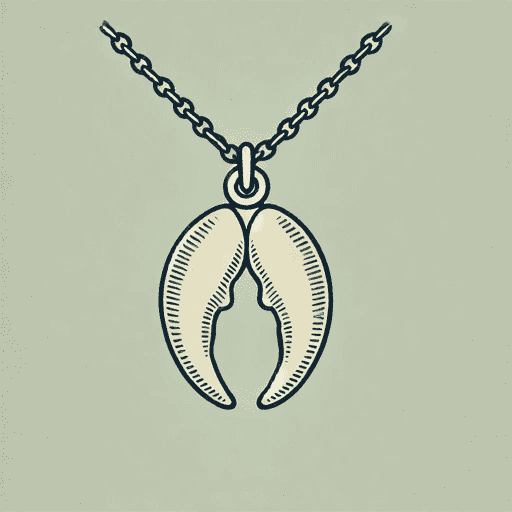
Tem confronts Caspen, demanding to know what is going on. Caspen reveals that the claw charm worn on her necklace is a basilisk betrothal gesture—an intent to marry her.
Part 1, Chapter 17 Summary
Tem is eager to accept the proposal, but Caspen explains his “quiver” (his extended family clan) must accept on her behalf. He doubts they will approve of the match, since basilisks and humans rarely mate. When Tem asks how long he has loved her, Caspen says longer than she has loved him. Tem continues to question his feelings, struggling to understand why Caspen seems tormented by his love and desire for her. Although Caspen fears losing control again, Tem initiates sex. They have pleasurable and emotionally intimate sex during which Caspen reveals the depths of his love for her. During climax, Caspen drips his venom into her mouth.
Afterward, Caspen reassures her that basilisk venom is only dangerous if it comes from a fang during a bite. By harmlessly administering his venom to her, Caspen has protected her from being “crested”: a power-extraction technique through which a basilisk forges an unbreakable bond that removes all agency. If she is crested, she will be subject to complete obedience to the basilisk who crested her, no matter what. Caspen is wary that Rowe might try to crest her, vaguely alluding to a time when he took something precious from Rowe (who now wants revenge).
Tem asks more questions about cresting, demanding to know why Caspen won’t crest her. He admits that he could (his venom only protects her from other basilisks) but does not want to diminish her agency and power to choose. He also explains that a basilisk cresting another basilisk results in death.
Part 1, Chapter 18 Summary
Caspen tells Tem the quivers have called a council meeting about him and his recent actions. He must attend, so Tem should go home. Caspen reveals he is the son of the basilisk king. His nickname, “the Serpent King” references his beauty and sexual prowess, but not his political standing among the basilisks. Tem walks home, wondering if Leo eliminated her after she left the palace. She wonders how she will explain to him if it turns out that her engagement to Caspen is permitted to move forward.
The next morning, she remembers the upcoming competition event: The prince will kiss each remaining girl publicly while the crowd votes by cheering. At the festival that evening, Tem finds Gabriel, who explains that no one was eliminated the prior evening (seven girls remain, rather than the traditional five). Gabriel doesn’t know exactly what happened, but after Tem left the palace, Leo had some sort of confrontation with his father, cut short the meetings with the girls and the basilisks, and sent everyone home.
Caspen enters her mind, saying the council meeting was eventful and he is not in trouble. He tells Tem they will meet the following evening, and he will explain at that time. Irritated by the power imbalance in her relationship with Caspen, Tem watches as Leo calls the girls onstage and kisses each one. When her turn comes, Leo kisses her longer than the others, and she responds passionately. However, no one in the crowd cheers, since Tem is not popular or well-regarded in the village. Leo eliminates two girls, leaving both Tem and Vera (who was popular with the villagers) in the top five.
Afterward, Tem and Gabriel go to the local tavern, where she is shocked when Leo suddenly appears.
Part 1, Chapters 10-18 Analysis
As the competition unfolds, diverging obligations strengthen the theme of Conflict Between Personal Desire and Societal Duty. Tem is expected to pursue Leo for her family and village, but she increasingly prioritizes her bond with Caspen. At the “Frisky Sixty” Tem’s refusal to undress becomes an assertion of privacy and agency, complicated by the practical risk of exposing the claw to Leo. Since the claw symbolizes her emotional and sexual bond with Caspen, her decision to conceal it reflects the tension she feels while being secretly attracted to two different men. Her refusal to undress for Leo echoes the earlier scene where she demanded Caspen undress before revealing her body to him. In both these scenes, physical nudity functions as a stand-in for intimacy and trust. Tem will only give access to herself under equitable conditions, which is complicated by the power dynamics inherent in her relationships with both men.
As Tem becomes increasingly drawn to Leo, the novel’s plot moves in to a “love triangle” trope. By refusing to obediently comply with the rules and expectations of the competition, Tem creates space for genuine intimacy to emerge between her and Leo. This emerging affection and desire complicates the competition by rendering Tem genuinely invested in being chosen as Leo’s bride but also confused about her conflicting feelings for Caspen. Many love triangles in literature derive their conflict from not just two competing love interests but from individuals who represent, on one hand, security and a socially sanctioned match versus a more dangerous and yet undeniably alluring choice. For example, Wuthering Heights (1847) and The Age of Innocence (1920) both depict protagonists torn between a socially “safe” choice (Edgar Linton or May Welland) and a sexually charged but socially disruptive choice (Heathcliff or Ellen Olenska). Caspen is depicted as dark (in his brunette hair color, black serpent form, and moody demeanor) while Leo is an icy blonde, heightening the contrast between the two.
Tem’s sexual assault by two village boys is a stark reminder of the risks associated with a woman displaying sexual agency. They interpret her training and participation in the competition as signs she is sexually available to any man who wants her and they shame and demean her, calling her “slut” (139). Tem’s vulnerability in sharing these events with Caspen cements their bond; they have intercourse for the first time after she comes to the cave in the aftermath of the assault. The pleasurable, consensual sex with Caspen allows Tem to reclaim agency, joy, and pleasure. During this encounter, Caspen’s tongue splits into the distinct, forked shape associated with snakes and lizards (evidence of his basilisk nature). The forked tongue embodies the novel’s exploration of duality, multiplicity, and divergent choices; the shape mimics a fork in a road but also highlights the pleasure that can result from duality rather than unity or monogamy. The split tongue hints at how Tem’s heart is likewise split between two men.
Tem and Caspen’s bond deepens through their delayed sexual consummation and his announcement that he has chosen her as his bride (Tem was not aware of the symbolism of the golden claw pendant when he first gave it to her). This plot development leads to further exposition, revealing more detailed features of the basilisk world, such as feuding between the “quivers” or clans (a “quiver” is the collective noun for a group of cobras), and the practice of “cresting.” The introduction of cresting develops the theme of The Corrupting Influence of Absolute Power: The act is portrayed as a violent offense in which the individual who is crested loses their agency and becomes completely subject to a more dominant basilisk. However, the nature of cresting intersects with the complex dynamic between power and sex: It is experienced as a powerful, albeit forced, orgasm, reflecting how submission can sometimes be enjoyable.
Caspen’s desire to marry Tem adds conflict to the layered plot, in which Tem is already struggling with her emerging feelings for Leo and her desire to achieve security for herself and her family. The disembodied voice pleading “Help me” (98) which she hears whenever she visits the castle adds another mysterious and sinister level to the many strange events she must navigate. Tem’s advancement in the competition accelerates the plot toward an inevitable confrontation between her conflicting desires.

Get in-depth, chapter-by-chapter summaries and analysis from our literary experts.
- Grasp challenging concepts with clear, comprehensive explanations
- Revisit key plot points and ideas without rereading the book
- Share impressive insights in classes and book clubs