Kiss of the Basilisk
Kiss of the Basilisk
A modern alternative to SparkNotes and CliffsNotes, SuperSummary offers high-quality Study Guides with detailed chapter summaries and analysis of major themes, characters, and more.
Summaries & Analyses
Author Insights
Quizzes
NEWReading Tools
Symbols & Motifs
Content Warning: This section of the guide discusses sexual content and violence.
The Claw
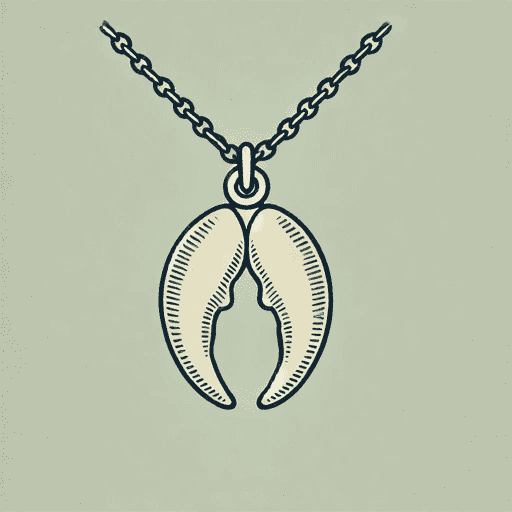
Early in their relationship, Caspen gifts Tem a claw fashioned out of his semen which hardens into a solid, pearlescent substance. Later, he gives her a second claw fashioned out of their combined fluids after a sexual encounter. By keeping the claw inside her, Tem secretly carries a piece of Caspen with her, an act that defies her public duty to court the prince and instead nurtures her private desire for the basilisk. The claw also frequently pulses when Caspen is thinking about Tem, creating a pleasurable experience for her and sometimes leading to telepathic sexual encounters. The pulses of pleasure he sends her through the claw are not just acts of seduction; they are a constant, tangible reminder of their developing emotional intimacy and his claim on her. The claw symbolizes the ubiquitous presence of desire and sexual awareness that is unlocked once Caspen initiates Tem’s sexual awareness.
Before meeting Caspen, Tem’s sexuality is a solitary and private affair. The claw transforms it into a shared, albeit secret, experience, allowing her to receive pleasure from another for the first time. This object, born of magic, offers the first hints of her basilisk nature long before it is revealed to her. Its presence inside her is a physical manifestation of her emerging identity as an embodied and confident woman who is unashamed of her desires and capacity for pleasure. Tem’s embrace of her sexuality sets the stage for her to later embrace her basilisk identity: by showing her that she should revel in everything about herself and never feel shame, Caspen lays the groundwork for her self-acceptance.
While the claw symbolizes Tem’s right to pleasure and Caspen’s adoration, it is also a complex object that embodies possessiveness, ownership, and jealousy. Just as sexual desire frequently engenders jealousy, Caspen uses the device to give Tem pleasure and to stake his claim toward her. Tem is repeatedly worried Leo will encounter the claw, which he eventually does. While it satisfies and empowers her, Tem’s initiation into sexual exploration with a partner also comes with fraught emotional complexities to navigate.
Blood
The motif of blood is central to the novel’s exploration of power, lineage, and exploitation, serving as the literal currency that fuels the kingdom’s wealth and perpetuates the conflict between humans and basilisks. The royals’ entire economy is built upon the violent practice of bloodletting, where imprisoned basilisks are drained of their blood to be alchemized into gold. Blood, in this context, represents life that is stolen and objectified for political and economic gain. It underscores the profound cruelty at the heart of the human kingdom and provides the primary motivation for the basilisks’ desire for rebellion, as their very lifeblood is being systematically extracted and converted into the adornments of their oppressors. This use of the blood motif hints at critiques of structures of oppression wherein individuals wield power at the expense of others, such as slavery or settler colonialism.
Conversely, blood also symbolizes sacred connection. While the royals exploit basilisk blood, Caspen uses it to create an unbreakable magical tie between himself and Tem. After their engagement, he explains the gravity of their union, stating that his “blood bound our lives together” (403). This blood bond contrasts sharply with the royals’ practice, representing a consensual, life-affirming connection rather than a violent, life-draining one. The difference is rooted in consent: When Caspen willingly gives his blood in an act of love, the result is strength and unity, but when it is taken without consent, the result is exploitation and violence. Blood can be seen as akin to sexual fluids (the golden pendant is fashioned from Caspen’s blood whereas the private claw Tem inserts into herself is fashioned out of their shared fluids). It is a substance that can be freely and willingly given, or brutally taken, and the distinction between the two scenarios is rooted in choice.
Dresses
During the competition, both Caspen and Leo frequently gift Tem dresses that she can wear to the events held at the castle. These dresses symbolize the fine line between altruism and possessive self-interest. At first, Tem is grateful for the beautiful dresses, which far exceed anything she could afford to buy. They give her a much-needed boost of confidence when she feels insecure about her standing as a girl from humble origins. However, the gifts of dresses evolve into a site of competition between the two men. When they both gift her dresses, Tem must decide which one to wear (which symbolizes pressure to establish a preference between the two suitors). Leo, in particular, also sends revealing dresses that Tem knows he chooses not based on her taste and personal style, but because he wants access to her exposed body. Echoing the symbolism of the claw, what seems like a gift can easily slide into an assertion of ownership.
The dresses also symbolize how agency is the antidote to coercive control. When Tem feels frustrated at having to choose between dresses gifted by Leo or Caspen, she selects her own simple, linen dress. While the dress is a surprising choice for a lavish ball at the palace, it reflects Tem’s need to remain true to herself and not be pressured into choices that do not reflect her desires. Later, Leo sends Tem a selection of dresses and allows her to choose the one she wants to wear. This shift reflects his growing understanding of Tem’s desire for agency and self-determination, and his willingness to honor this need as their relationship deepens.

Unlock the meaning behind every key symbol & motif
See how recurring imagery, objects, and ideas shape the narrative.
- Explore how the author builds meaning through symbolism
- Understand what symbols & motifs represent in the text
- Connect recurring ideas to themes, characters, and events