Kiss of the Basilisk
Kiss of the Basilisk
A modern alternative to SparkNotes and CliffsNotes, SuperSummary offers high-quality Study Guides with detailed chapter summaries and analysis of major themes, characters, and more.
Summaries & Analyses
Author Insights
Quizzes
NEWReading Tools
Part 1, Chapters 1-9Chapter Summaries & Analyses
Content Warning: This section of the guide discusses sexual content, violence, death and illness, and bullying.
Part 1, Chapter 1 Summary
Tem Verus lives in a small village in a mythical land shared by humans and basilisks (shapeshifting creatures who can take the form of humans or giant snakes). Humans arrived on the land hundreds of years earlier, unaware that it was already populated by basilisks. A lengthy war ensued and the humans eventually triumphed by realizing that the deadly gaze of the basilisks (which kills anyone who looks into their eyes) could be turned against them: They used mirrored shields to defeat the basilisks. Over time, the truce evolved into a wary peace, although the humans live in walled villages and the walls are covered in mirrors (preventing the basilisks from entering).
At the village bakery, Tem gossips with Vera, a local girl who bags about her recent sexual encounters with a boy named Jonathan. Vera’s confidence, beauty, and sexual experience make Tem feel inferior: She does not believe that she is physically attractive and she has never kissed anyone. Tem’s insecurities are heightened by her social position within the village: Tem has been raised by an impoverished single mother, and they rely on chicken farming to eke out a modest living. The conversation between Tem and Vera is also charged because of events which are about to begin unfolding. Tem and Vera are both 20 years old, the same age as the eldest prince in the royal family who rules over their land. They will participate in a ritual known as the elimination, in which all the women of the same age will compete to become the prince’s bride.
The first step in the process will begin the next evening. Vera, Tem, and the other girls will be trained by the basilisks. The basilisks are extremely sexual and skilled at seduction; their contributions to training future royal brides are part of the conditions of the truce. The basilisks can initiate the women into sex because it is considered impossible for a human and basilisk to conceive a child (although there are rumors that monstrous offspring have sometimes been conceived). Tem has no hope the prince will choose her, but she knows that women who perform well in the competition are sometimes subsequently married by wealthy and high-ranking men. Tem knows that her mother hopes she will marry a wealthy man.
Later that evening, Tem goes to the local tavern with her friend Gabriel. Gabriel encourages her, telling her that she stands a chance of succeeding in the competition. That night, Tem dreams of a gentle, familiar fire. The next evening, Tem’s mother helps her to prepare for the first meeting with her basilisk mentor; she speaks vaguely about her own experiences during her training and encourages Tem to be demure and docile. Tem joins a procession of girls and their mothers as they walk to the caves outside the mirrored wall. After a basilisk greets them and one girl flees in terror, Tem feels drawn to a specific cave and boldly walks into it alone.
Part 1, Chapter 2 Summary
The basilisk is tall, attractive, and imposing, with golden eyes and dark hair. He introduces himself as Caspenon or Caspen. He reveals that his students are always chosen by the prince. Caspen notes that Tem does not seem as invested in the competition as women typically are. Caspen commands her to undress. After she insists he undress first, he complies, revealing his formidable physique. Tem undresses in turn.
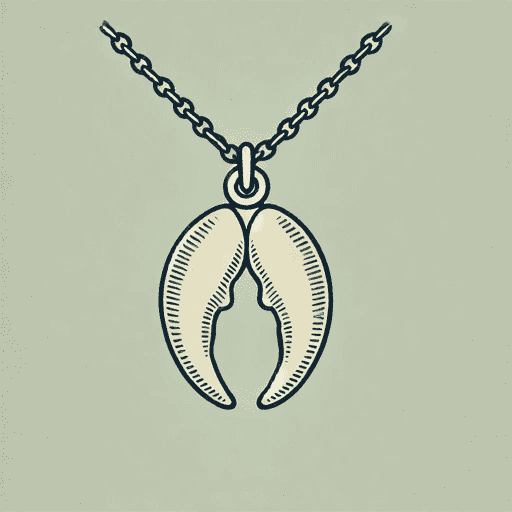
Caspen examines Tem, determining she is fertile, and instructs her to gain weight and keep her hair long, as the prince prefers. He asks her to open herself for inspection. As he kneels between her legs, both become aroused. Tem begins to masturbate, and Caspen joins her. After they both orgasm, Caspen uses magic to transform his ejaculate into a smooth, curved claw. He tells Tem to keep it inside her to connect them while apart, explaining it will pulse when he thinks of her. Tem inserts the claw. Caspen walks her out, explaining that she will return the next night so they can continue their lessons. When Tem first feels the claw pulse inside her, she is overwhelmed by pleasure.
Part 1, Chapter 3 Summary
The next morning at breakfast, the claw pulses, confirming Caspen is thinking of Tem. At church, she sits with her mother and Gabriel while the congregation prays to Kora, a goddess of love and fertility. During the service, Caspen sends intense, prolonged pulses while Tem watches Vera openly masturbating Jonathan in a nearby pew. The pulses sync with Vera’s movements, and Tem climaxes just as the hymn ends. After church, Gabriel asks about the training, and Tem shares some details but omits the claw. She also meets with Vera, who reveals that her basilisk did not reveal his name to her, and merely looked at her naked body. Tem is thrilled that Caspen breached the norms of the training process for her. That evening, Tem prepares for her second session in the cave.
Inside the cave, Caspen gives her detailed information about their respective anatomies and the pleasures their bodies can provide. He guides her through bringing him to climax with her hand and then pleasures her in turn.
Part 1, Chapter 4 Summary
After their sexual encounter, Caspen and Tem eat together. He seems startled when he notices some freckles on her palm. He explains that, on the next night, she will not come to the cave but will instead go to the palace with the other girls so that prince can inspect his potential wives.
The next day, Tem is nervous about visiting the palace and disappointed that the claw does not pulse. She snaps at Vera after the latter taunts her for not having a new dress to wear for the viewing. Shortly before it is time to leave, Tem is startled to receive a package from Caspen. It contains a beautiful gown and a gold necklace with a smaller, pendant version of the claw hanging from it. Tem dresses in the gown and the pendant and gets into the carriage that has been sent to collect her. She arrives at the palace, dazzled by the lavish surroundings and the many wealthy guests who have assembled. She eventually slips away and explores the palace, noting paintings and emblems depicting the royal family’s triumph over the basilisks. She is startled to run into Lilibet, the princess and sister of the man Tem is competing to marry.
Tem wanders into a study and reaches for a basilisk skull displayed on a shelf. Caspen’s voice thunders in her mind, stopping her and flooding her with visions of the brutal war between humans and basilisks. Tem realizes that the basilisks suffered terrible losses during the war and most of Caspen’s family was killed. Suddenly, Prince Thelonius (called Leo) appears.
Part 1, Chapter 5 Summary
Tem and Leo talk about the skull. Tem senses that Leo is arrogant and entitled, but she is pleased to notice that he is clearly attracted to her. They drink together and engage in verbal sparring. When they part ways, Tem is worried that the prince may not be attracted to her blunt and forthright nature. Back at the party, she runs into both Vera and Gabriel (who works as part of the castle staff). Gabriel explains that a surprise elimination is going to take place, which alarms Tem.
In the ballroom, the 13 girls in the competition line up; Leo surveys them and then sends the two standing on either side of Tem home. Tem suspects he did so to maximize her fears that she was about to be eliminated. Then Leo assigns the remaining 11 to podiums based on his assessment of their beauty. Tem is outraged when Leo ranks her last. She pursues him as he walks out of the ballroom and chastises him. She is surprised to realize that Leo is insecure about whether she is attracted to him but decides not to reveal that she is. Tem speaks boldly to the prince before leaving, gambling that he will be attracted to her bluntness.
Part 1, Chapter 6 Summary
The night after her visit to the palace, Tem returns to the cave to see Caspen. He kisses her and they continue to explore each other’s bodies, but Tem is irritated when he refuses to engage in intercourse with her. Caspen points out that she is headstrong and impatient, which will likely not appeal to the prince. When Tem responds petulantly, Caspen orders her to put on her clothes and leave the cave. He does not give her the claw. For the next few nights, Tem visits the cave every evening but only engages in superficial interactions focused on Caspen’s pleasure. Caspen is cold and aloof with her.
On the fourth night, Tem refuses to continue these humiliating and lonely encounters. Caspen asks what she wants to do instead, and she says she wants to talk. He agrees. They converse for hours and he tells her about his family, explaining that he is part of a clan known as Drakon. After talking and laughing together, Caspen pleasures Tem again in a satisfying and intimate encounter. They eat together, and Caspen returns the claw, resuming frequent pulses throughout her days.
A short time later, Tem receives a formal invitation summoning her back to the castle.
Part 1, Chapter 7 Summary
Tem visits Caspen’s cave, worrying about her forthcoming visit to the castle. Traditionally, the next stage of the elimination will involve the prince kissing each of the competitors and then deciding who to eliminate, but Leo has already deviated from the process, so Tem is unsure what to expect.
Caspen initiates performing oral sex on Tem, but she is hesitant and admits that she is insecure. Without pressuring her, he reassures her, and Tem is touched by the care and consideration he shows. Tem asks why he can communicate with her telepathically, but she cannot speak to him; he claims he doesn’t know and can’t change this aspect of this condition. She also notices that he is reluctant to discuss the upcoming elimination. They spend most of the evening kissing and cuddling and then Tem heads home.
The following day, Caspen provides another dress, which Tem wears when she returns to the palace. Upon entering the palace, Tem is overcome with a sense of dread and hears a faint voice telepathically asking for help. She flees to the garden, where she encounters Leo near a maze. He flirts with her, telling her about how he typically seduces women by taking them to his room for baths and champagne.
Back in the ballroom, Tem begins chatting with some of the other women in the competition. She is shocked to realize that all of them are having sex with their basilisk mentors and wonders if Caspen is rejecting her. Hurt and angry, Tem finds Leo and kisses him forcefully. Afterward, Leo ranks her first in the competition and eliminates two more women. On the way home, Tem is informed that she will be going on a private date with the prince the following evening.
Part 1, Chapter 8 Summary
Tem’s mother is proud of her success in the competition, but Tem is conflicted. She frets about missing her training session with Caspen to attend the date with Leo. However, she is increasingly worried that Caspen doesn’t desire her, since he has not yet initiated sex, and she takes comfort that Leo clearly wants her. Tem is irritated when Leo sends a revealing dress for her to wear on their date, but Caspen communicates telepathically and instructs her to wear it.
That evening, at the castle, Tem meets Leo’s family, including his father, sister, brother-in-law, and uncle. King Maximus, Leo’s father, coldly assesses Tem, making a disparaging comment about her appearance. The king later corners Tem and cautions her not overstep her social position. He makes it clear that he does not consider her worthy of becoming a royal bride. When she reunites with Leo, he can tell that she is upset and is unsurprised that his father was rude to her. Tem’s realization that Leo has a strained relationship with his father makes her feel closer to him. They are flirting when Tem again hears the plaintive voice asking for help. Leo doesn’t seem to hear anything, and they go out to the maze together, where he questions her about whether she desires him. Tem is reticent but admits she is open to getting to know him better and exploring their attraction to one another.
After she departs, she overhears Leo and Maximus arguing. The king forbids Leo from choosing Tem and references Leo’s past with someone named Evelyn. Leo insists he will not let his father control him again.
Part 1, Chapter 9 Summary
Tem returns to Caspen’s cave, curious about whether he will ask about her date with Leo. She initiates performing oral sex on him. They are both enjoying the experience when Caspen abruptly begins transforming. Scales spread across his skin, smoke rises, and his form elongates. He orders Tem to leave as he transitions into his true serpent form, a deadly basilisk whose gaze can turn her to stone. Tem refuses so Caspen commands her to close her eyes, fighting the transformation with agonizing effort. However, Tam is unafraid and opens her eyes; unable to see clearly through the smoke, he begins sending powerful pulses. Tem feels intense pleasure and a newfound sense of intimacy, but when she reaches out and feels his scales, Caspen roars in agony and shifts back to human form.
Furious, Caspen berates Tem for her recklessness, saying she could have died. He orders her to leave. Before she goes, he heals her wounded hand with magic. At home, Tem sits in the garden and attempts to contact Caspen telepathically. After several tries, he finally responds.
Part 1, Chapters 1-9 Analysis
As a “romantasy” novel, Kiss of the Basilisk fuses elements of fantasy, including magic and monsters, with romance tropes. Rapid exposition at the start of the novel establishes world-building by clarifying events prior to the start of the novel (the war, the defeat of the basilisks, and the conditions of the truce) while prefiguring the central tension between humans and basilisks. The matter-of-fact discussion of sexual initiation reflects a departure from patriarchal structures governing female desire, wherein a young woman’s “purity” (lack of sexual experience) is often what distinguishes her as a suitable wife. For example, in Thomas Hardy’s novel Tess of the D’Urbervilles (1891), the titular heroine is rejected by her fiancé after he learns that she is not a virgin and has already born a child to another man. Instead, Tem and the other cohort of young women are expected to experiment and be initiated into their own capacity for pleasure. Leo is not seeking a traditional virgin bride; rather, he wants to marry a confident and sexually sophisticated woman.
Despite the championing of female sexual gratification, the set-up of the competition also serves to reinscribe patriarchal norms. Caspen is positioned as more powerful and sophisticated than Tem, and thus in charge in setting the terms of their relationship as student and mentor. The competition itself establishes marriage as a goal that all women would welcome, and as the only pathway toward social advancement. The various challenges and elimination structure of the competition mirror reality television franchises such as The Bachelor by pitting women against one another in the quest for a man’s attention and approval. The intensity and conflict ignited by the competition also recalls novels like The Hunger Games (2008) in which poverty and a desire to survive ignite vicious competitiveness within elaborate games structured for amusement and exploitation.
Tem’s poverty and low social position within the village hierarchy increases the stakes of the competition while lessening her confidence that she will succeed. She initially does not think that she is desirable to anyone, let alone a prince, since Vera frames her as someone no one would want because she tastes “like chicken shit” (4). Tem internalizes that marginalization as pressure to prove herself through the basilisk training. Tem’s chicken farming identity introduces social and economic critique into the novel but is also a wink to basilisk mythology. In various Classical and medieval sources, basilisks are reported to be born from a serpent egg incubated by a chicken and are sometimes depicted with the head of a chicken atop the body of a serpent. The sound of a cock crowing is also sometimes portrayed as one of the few things fatal to a basilisk.
The theme of The Corrupting Influence of Absolute Power emerges through institutions that normalize violent domination and even turn it into spectacle. The basilisk skull in the study, paired with Tem’s involuntary visions of the war, links courtly rituals to historical violence, suggesting that the royal household’s power is sustained not only by ceremony but by an inheritance of conquest. The sinister context of the royal family contextualizes the competition in which both basilisks and young women are treated as objects to be manipulated by human men. Women’s bodies become the currency of peace, and the castle event formalizes that logic by ranking girls on podiums and making the prince’s kiss part of public evaluation. Leo’s decision to rank Tem last demonstrates how royal authority can convert intimacy into a tool of humiliation and control rather than mutual recognition.
The opening chapters and early stages of Tem’s training reflect the first stirrings of the theme of Self-Acceptance Resulting from the Embrace of Duality. Despite lacking the self-assured confidence she will later gain, Tem takes crucial steps toward avoiding self-abandonment. In her very first encounter with Caspen, when he orders her to remove her clothing so that he can inspect her body, she insists that he also strip naked. This act reflects Tem’s instinctive pull toward equality and refusal to be quelled. Since she later learns that Caspen fell in love with her the night they met, this moment is crucial to their connection shifting from a sexual transaction to genuine emotional intimacy. She also resists Leo’s facile attempts at seduction, embodied by his cliché reliance on “champagne […] then I draw a bath” (83). Despite the vast divide in their wealth and power, Tem resists the Cinderella tropes intrinsic to her dynamic with Leo. She insists on being authentic in her interactions with both men, not yet aware that her self-acceptance is winning their hearts.

Get in-depth, chapter-by-chapter summaries and analysis from our literary experts.
- Grasp challenging concepts with clear, comprehensive explanations
- Revisit key plot points and ideas without rereading the book
- Share impressive insights in classes and book clubs