Little House on the Prairie
A modern alternative to SparkNotes and CliffsNotes, SuperSummary offers high-quality Study Guides with detailed chapter summaries and analysis of major themes, characters, and more. For select classroom titles, we also provide Teaching Guides with discussion and quiz questions to prompt student engagement.
Summaries & Analyses
Quizzes
NEWReading Tools
Games
Summary and Study Guide
Overview
Written by Laura Ingalls Wilder with the extensive editorial help of her daughter, Rose Wilder Lane, Little House on the Prairie (1935) is the third installment in a highly successful young-adult series that is based on the real-life experiences of the Ingalls family throughout the second half of the 1800s as they headed to the American West in a covered wagon, set on building a new life for themselves. Written in a close third-person perspective from the young Laura’s point of view, this particular installment focuses on the family’s many adventures and mishaps as they settle on the Kansas prairie, knowingly encroaching upon the local Indigenous people’s territory in their endeavors to carve out a homestead in prime farmland.
Content Warning: The source text and guide feature depictions of racism.
Language Note: The source text employs outdated and offensive language (i.e., the term “Indians”) to refer to Indigenous Americans. This study guide reproduces this language only in quotations; elsewhere, it refers to Indigenous people.
Plot Summary
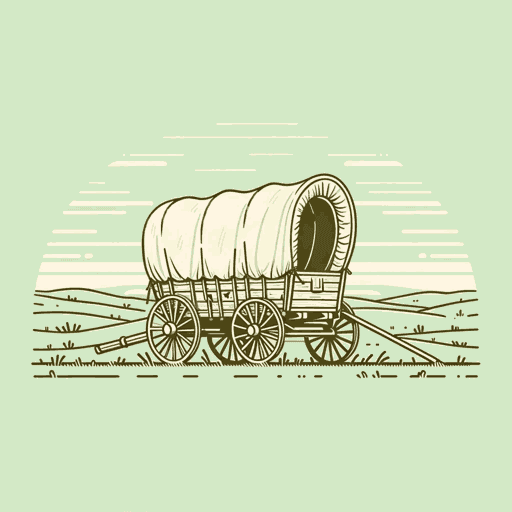
The Ingalls family—parents Charles and Caroline, known as “Pa” and “Ma” in the book, and daughters Mary (age seven), Laura (age six) and Carrie (a baby)—live in Wisconsin in the late 1800s near their extended families. Pa hears that the United States government will soon open the prairies of Kansas, which are inhabited by Indigenous people, to white settlers, so without even waiting for official confirmation of this news, he decides to move his family there in order to claim a good plot of land before the selection gets too competitive. The Ingalls family packs up their belongings and travels in a covered wagon to Kansas. When they find a suitable piece of land, Pa builds a house and stable, digs a well, and hunts and traps in the area.
Indigenous Americans often pass through the area and camp near the family’s house, putting them on edge because they are afraid that hostilities will break out. The Indigenous people sometimes come into their house, and Laura’s parents feel compelled to give them supplies when they indicate that they want something. Potentially dangerous wildlife is also nearby, and the family has run-ins with wolves and a panther. The house is very isolated from other settlers, but the family interacts with a few white neighbors: a bachelor named Mr. Edwards and a couple named Mr. and Mrs. Scott. As Laura and Mary settle into their new life, they both love playing and frolicking on the prairie, and Laura is captivated by the landscape and by the family’s animals—the dog Jack, the horses Pet and Patty, and a foal named Bunny. She loves to hear Pa play the fiddle in the evenings, which he does often. As time goes on, the family must contend with a range of dangers and mishaps, including a prairie fire and a serious illness that endangers the entire family until a skilled Black doctor named Dr. Tan visits and provides them with a cure.
A year after the family arrives in Kansas, many Indigenous people leave the area. Just as Pa is preparing to farm the fields and grow crops and a garden, he learns that US soldiers will be coming through the territory to remove any white settlers rather than allowing them to claim the Indigenous people’s land. He immediately packs up the house and reassembles the covered wagon, and the family moves on the next day, looking for a new place to call home.

Get in-depth, chapter-by-chapter summaries and analysis from our literary experts.
- Grasp challenging concepts with clear, comprehensive explanations
- Revisit key plot points and ideas without rereading the book
- Share impressive insights in classes and book clubs