Seed
Seed
A modern alternative to SparkNotes and CliffsNotes, SuperSummary offers high-quality Study Guides with detailed chapter summaries and analysis of major themes, characters, and more.
Summaries & Analyses
Quizzes
NEWReading Tools
Essay Topics
How does Ania Ahlborn’s use of a dual timeline in Seed create dramatic irony and reinforce the theme of inescapable generational trauma through parallels between Jack’s past and present?
Jack Winter is both a victim of a supernatural curse and an agent in his family’s destruction through his secrecy. To what extent is Jack responsible for the tragedy that befalls the Winter family? Analyze his key decisions, such as concealing his past from Aimee and lying to Dr. Markin, to argue for or against his culpability.
How do the decaying Southern Gothic settings in Seed intensify the novel’s horror atmosphere, using atmospheric dread and geographic isolation to mirror the Winter family’s psychological deterioration?
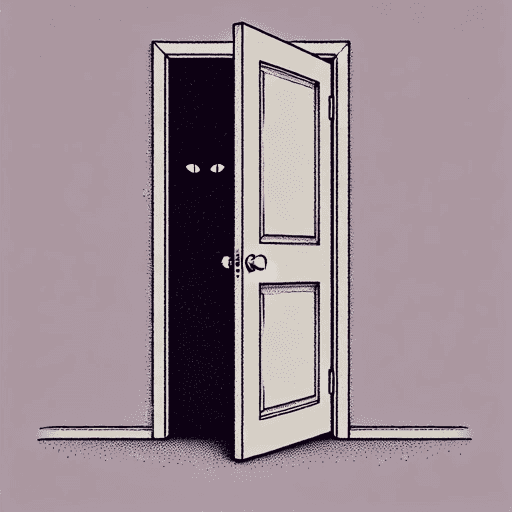
The motif of reflective, inhuman eyes appears at critical moments throughout Seed. How does Ania Ahlborn use this recurring visual image to develop the novel’s ideas about fear, inheritance, and the persistence of evil across generations?
The author’s dedication invites a possible reading of Seed as an allegory for inherited family trauma, addiction, or psychological suffering. Analyze the novel through this lens, discussing how supernatural events and character behaviors, such as Charlie’s unusual strength and Jack’s disturbing experiences, can be interpreted as potent metaphors for the devastating impact of these conditions on a family unit.
Aimee Winter consistently seeks rational, medical explanations for the increasingly supernatural events afflicting her family. Analyze her character arc in relation to a purely scientific worldview when confronted with the supernatural. How does the novel use her journey from skepticism to terror to explore the limitations of modern logic within the horror genre?
In Seed, the entity’s possession of Charlie appears intentional. Analyze how the entity weaponizes the specific attributes of childhood, such as emotional manipulation, feigned helplessness, and the trust of parents, to break apart the Winter family from within.
How does Jack’s tattoo of the demonic beast function as both a literal record of his past trauma and a reminder of the evil connected to his family history?
Compare the depiction of childhood malevolence in Seed with another literary or cinematic work that features a “bad seed” child, such as William Golding’s Lord of the Flies (1954) or William Peter Blatty’s The Exorcist (1971). How does Ahlborn’s use of a parasitic, generational entity differ from explanations rooted in social decay or traditional religious ideas of demonic possession?
Explore the symbolic significance of the hidden cemetery’s disappearance and final reappearance in relation to Jack’s childhood memories, secrecy, and unresolved fear.

Get in-depth, chapter-by-chapter summaries and analysis from our literary experts.
- Grasp challenging concepts with clear, comprehensive explanations
- Revisit key plot points and ideas without rereading the book
- Share impressive insights in classes and book clubs