Seed
Seed
A modern alternative to SparkNotes and CliffsNotes, SuperSummary offers high-quality Study Guides with detailed chapter summaries and analysis of major themes, characters, and more.
Summaries & Analyses
Quizzes
NEWReading Tools
Symbols & Motifs
Content Warning: This section of the guide includes discussion of animal cruelty and death.
Reflective Eyes
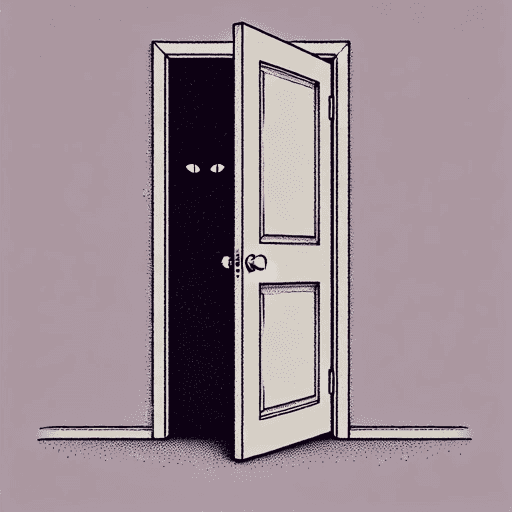
The recurring motif of reflective eyes signals the demonic entity’s presence and corrupting influence. Appearing at moments of supernatural intrusion or violence, these eyes suggest an unnatural presence watching the Winter family. The repeated image gradually becomes associated with fear, violence, and the entity’s growing influence over the family. The novel’s central conflict begins with this image, as Jack recalls, “The last thing he saw was a pair of animal eyes, reflecting bright silver and wide in the darkness” (3). This vision causes the car crash that sets the plot in motion, linking the entity directly to the family’s trauma. The unease surrounding this motif is deepened when it is mirrored in Jack’s own daughter. After the crash, Charlie’s eyes are described as “sparkling in the moonlight—eerily reminiscent of the eyes that had caused this chaos in the first place” (6). This parallel transforms a symbol of childlike wonder into one of encroaching doom. It shows how the same frightening presence that haunted Jack’s childhood now appears in his daughter’s life as well. The reflective eyes also connect Jack’s memories to Charlie’s gradual transformation throughout the novel, reinforcing the idea that the evil attached to Jack’s past has followed him into adulthood and become embedded within his family.
Photographs
Photographs function as a symbol in Seed, representing the illusion of domestic normalcy that conceals a growing supernatural threat within the Winter family's life. Jack secretly collects family pictures in a shoebox hidden in the closet, separating them from the images displayed openly around the house. Jack’s decision to hide these photographs reflects his broader pattern of concealment: Just as he hides his disturbing childhood experiences from Aimee, he hides visual evidence of the darkness stalking his family. The photographs initially appear to be innocent keepsakes of happy moments, but when Aimee discovers them, she notices a recurring presence in the backgrounds: "a shadow much like the one she'd seen outside in the darkness peering out from behind the trunk of an oak" (178). This detail transforms the images from records of joy into suggestions that Mr. Scratch has been present throughout the family's history, lurking just beyond the frame of their awareness. The photographs thus undermine the family’s sense of safety and normalcy, revealing that the happiness they believed they were living was always shadowed by something malevolent.
The symbol's meaning intensifies when the final photograph supernaturally transforms, showing "Charlie stood in the front yard in her white summer dress, smiling with razor-sharp teeth, Nubs dead at her feet" (179). This shift from an ordinary family photograph into a supernatural image confirms that no record of the family's former life can remain untouched by the curse. Aimee's subsequent destruction of the photographs reflects her recognition that the innocence they once captured no longer exists, and that the darkness connected to Jack’s past has been present in their family life far longer than she realized.
The Hidden Cemetery
The hidden cemetery from Jack’s childhood is a crucial symbol representing his early connection to the entity and the fear surrounding his past. Its mysterious disappearance upon his return to Georgia suggests how unstable and difficult his memories of childhood have become. For young Jack, the cemetery becomes a secret, personal space. This possessiveness reflects his growing attachment to the place and the secrecy that increasingly isolates him from his parents. He felt that “if he told, the cemetery would no longer be his […] he wanted those headstones. Wanted every single one to himself” (12). This desire to claim the cemetery for himself reflects both his fascination with the place and his growing emotional connection to the darkness surrounding it.
The symbol’s meaning intensifies when Jack, seeking answers as an adult, finds the cemetery has vanished completely. This disappearance reinforces the novel’s atmosphere of uncertainty and suggests that the evil affecting Jack’s life is not confined to a single physical location. Although Jack returns to Georgia hoping to confront the source of his experiences, the missing cemetery shows that the entity’s influence has continued long after he left his childhood behind. The vanished cemetery also complicates Jack’s understanding of the past, forcing him to question how much of his childhood experience can still be clearly understood or explained.

Unlock the meaning behind every key symbol & motif
See how recurring imagery, objects, and ideas shape the narrative.
- Explore how the author builds meaning through symbolism
- Understand what symbols & motifs represent in the text
- Connect recurring ideas to themes, characters, and events